Get Full Government Meeting Transcripts, Videos, & Alerts Forever!
Get email alerts on the Zoning Advanced Recycling topic
No spam. Unsubscribe anytime.
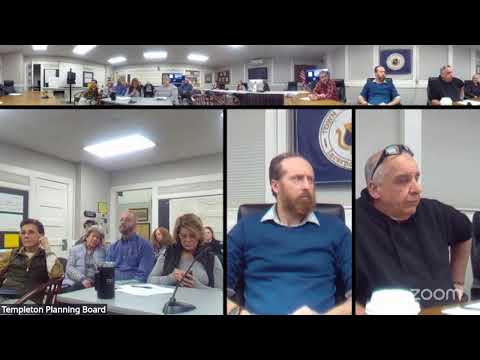
Residents press Templeton Planning Board to add town‑meeting approval, ban certain recycling processes
Summary
A community group asked the Planning Board to require town‑meeting approval for waste‑to‑energy and molecular conversion projects and to ban incineration or facilities producing precursors to fuel; board members and residents debated zoning tools, special permits and next steps.
At a Town of Templeton Planning Board meeting, members of the group Templeton Community Against Toxic Waste urged the board to amend zoning to require town‑meeting approval for projects that include “waste to energy, waste to fuel, or any molecular conversion process” and to prohibit incineration or high‑heat facilities that produce precursors to fuel.
The request grew out of local concern about a proposed advanced‑recycling/pyrolysis project near Baldwinville and a moratorium on certain plants that the town adopted after a December special town meeting. Group member Julie said the proposed bylaw language would force a two‑thirds town‑meeting vote for those projects, and that the group had drafted wording for commercial‑industrial zoning districts.
The debate focused on two lines of response: residents seeking a zoning change or a bylaw that would give the entire town a direct vote on certain industrial projects, and planning board members who said the board’s special‑permit and site‑review processes already provide tools to evaluate and, if necessary, deny proposed developments.
"Any project that includes waste to energy, waste to fuel, or any molecular conversion process must be approved at town meeting by a two‑thirds vote," Julie said, reading the group’s proposed language. Steven Anderson, speaking as a Templeton resident, asked whether rezoning the specific area would be a better step than creating a town‑meeting approval requirement: “Would a better move be to work with the planning board and try to get that area rezoned to prevent these projects from coming in?”
Planning Board members cautioned that a requirement to send “all industrial permits” to town meeting would be broad and could have unintended consequences for routine permitting and economic development. One board member said the board often spends months reviewing applications, peer reviews and technical reports, and expressed concern about expecting town meeting members to absorb that work in a short floor presentation. Another board member urged the group to refine the language so it targets specific high‑risk processes rather than “all industrial” uses.
Several participants suggested practical next steps. Board members and residents agreed to pursue a working process that would include: comparing language used by other Massachusetts communities; refining the draft so it targets types and scales of facilities rather than using overly broad terms; and pursuing rezoning alternatives for the parcels of concern. Laurie (town staff) noted some state‑level activity on related issues (participants referenced a House item described as “House 370” in the meeting) and advised coordination with state guidance and with legal counsel before finalizing any bylaw.
Residents said about 800 people had signed a petition opposing the proposed advanced‑recycling project and that a moratorium the town adopted will expire in the fall unless further action is taken. Board members said that, for facilities that require a special permit under existing bylaws, the planning board retains the authority to condition or deny the permit after public hearings; they urged the community to attend future planning board hearings and informational sessions so residents are able to review materials and participate in the process.
Dennis Rich, participating by phone, said he had “no problem” with the community’s objective that the whole town have a say in projects that could affect everyone, but he and other board members stressed that changes should be carefully drafted to avoid legal or practical pitfalls.
The board and community agreed to continue work: planning staff will compile example language and zoning approaches used by other Massachusetts communities, and the board and volunteers from the community group said they will meet to refine the proposal. The Planning Board indicated it will schedule larger‑venue public hearings if and when an applicant files a site plan or if a formal zoning change is drafted. The board confirmed its next meeting for March 11 and encouraged residents to follow agendas and attend hearings.
Why it matters: The discussion could lead to changes in Templeton’s zoning or bylaws that would alter how certain industrial projects are reviewed or whether they must be decided by town meeting. Residents pressing to change the process cite public‑health and environmental concerns; board members warn that overly broad wording could delay or deter other businesses and urged careful legal drafting.
Votes or formal actions: No zoning bylaw changes or formal votes on regulations occurred at this meeting. The board did not adopt the group’s draft language; instead it asked staff and volunteers to research precedents and to return with refined language and options for the board to consider.