Get Full Government Meeting Transcripts, Videos, & Alerts Forever!
Get email alerts on the Education Budget topic
No spam. Unsubscribe anytime.
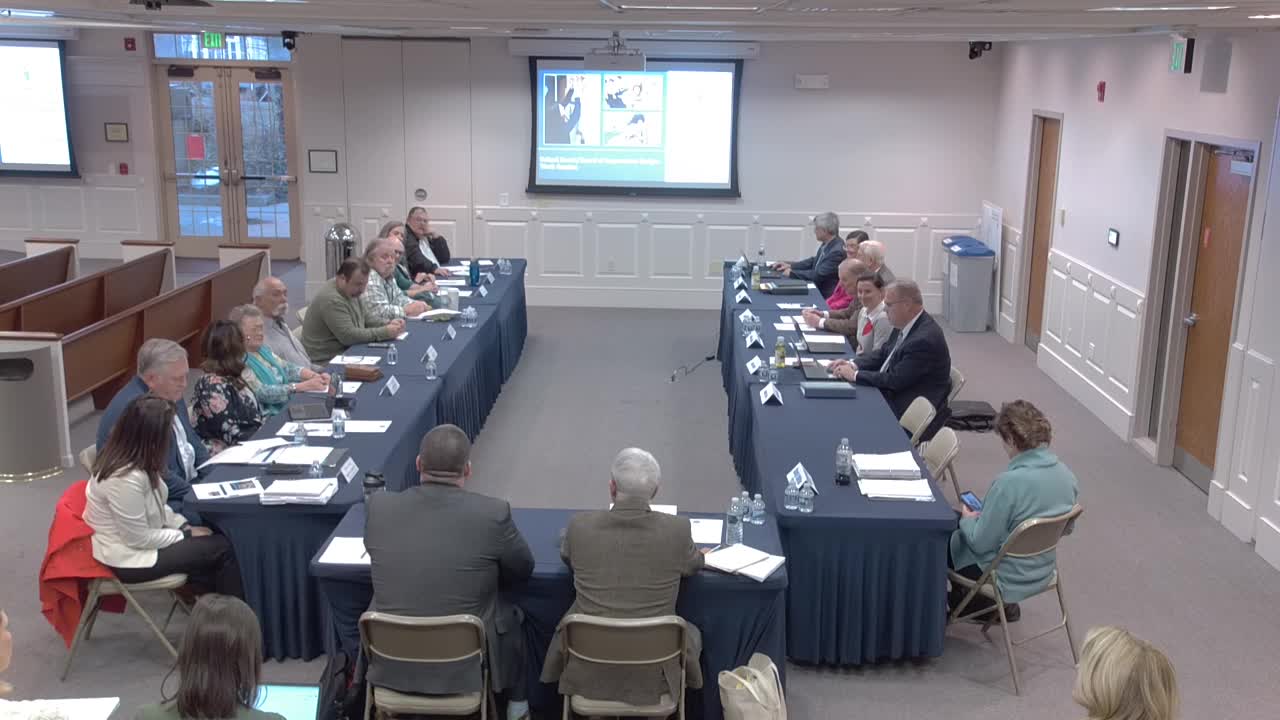
Frederick County public schools outline FY26 needs-based budget with staffing, pay and capital requests
Summary
Frederick County Public Schools Superintendent Dr. George Hummer presented a needs‑based FY26 budget to a joint session of the Frederick County Board of Supervisors and the school board seeking targeted pay increases, 40 additional positions (eight linked to state ELL compliance funding), $14.8 million in capital requests and investments in safety, transportation and data systems to support 14,569 students.
Frederick County Public Schools Superintendent Dr. George Hummer told a joint session of the Frederick County Board of Supervisors and the school board that his division’s needs-based FY26 budget seeks additional staff, targeted pay increases and $14.8 million in capital requests to address enrollment growth, special education and English-language-learner (ELL) services, safety and aging facilities.
Hummer said the division now serves about 14,569 students and employs 2,562 full‑time staff (about 3,000 including substitutes). He described the presentation as a work session and asked board members to limit lengthy interruptions while he reviewed the budget development, revenue mix and priorities.
The nut graf: The proposed needs-based budget breaks down where the division says it must add people and systems to meet legal and programmatic obligations — including 40 new staffing positions tied to staffing standards, expanded ELL and special‑education support, a push to uncluster teacher pay steps, and investments in safety, transportation and data systems — while asking the county for an increased transfer (the presentation estimated the county share at roughly 8.6–9.6% of the operating budget depending on state actions).
Hummer emphasized revenue and spending context early in the presentation: the division manages more than a third of a billion dollars across a dozen funds, draws roughly 50% of operating revenue from the state and about 46% from the county, and spends about 75% of operating dollars on instruction and roughly 83% of the overall budget on staff costs. He said average spending per pupil in Frederick County is about $15,000 versus a state average near $17,000 and a regional average slightly over $18,000.
On staffing and compensation, Hummer said the division is focusing pay increases where they expect the most effect on recruitment and retention: a potential teacher increase that could reach about 5.6% for FY26 depending on final decisions; a 5.6% target for classified staff in some categories; and a 3.4% figure for administrators. The presentation described an effort to “uncluster” teacher pay scales (restore more distinct step increases after years of compressed scales following the 2010 recession) and to extend a $5,000 longevity bump for teachers with long service (the division proposed moving the threshold to 24 years rather than earlier proposals). Hummer said the school board directed focus on years 3–6 of experience to improve retention among earlier-career teachers.
The division proposed 40 new positions (reduced from an initial 50 after internal reallocations), eight of which Hummer said are tied to state compliance and the additional ELL funding the state is now providing. He told the boards the division filled 23 of 25 positions requested the prior year but that vacancies remain a challenge: the presentation and officer questions cited roughly 105 current vacancies across professional and support roles (59 professional vacancies and 46 support vacancies, per a personnel‑committee slide reviewed during the meeting).
Hummer highlighted programmatic drivers: ELLs represent about 14% of enrollment and students with disabilities are roughly 13½–14%; the state has moved from a 1:50 general ELL staffing ratio to more nuanced ratios tied to students’ proficiency levels (WIDA scores), which the division said will bring more state funding for ELL teachers and justify adding positions. He said the division will provide five years of historical ELL enrollment and staffing counts to supervisors on request.
Safety and student supervision were central budget items. The division seeks to add another school safety officer (SSO) at each high school (currently one per high school) and convert some lead teacher roles at middle schools to 12‑month dean positions (not new roles but reclassifications on the teacher pay scale) to help principals with non‑instructional workload. School resource officers (SROs) from the sheriff’s office remain law‑enforcement partners; Hummer and several supervisors discussed differences between unarmed SSOs and deputized SROs, with supervisors saying they would support additional SROs if the sheriff’s office can provide them.
On operations and capital, Hummer said the division requested $14.798 million for capital asset needs (a reduced ask from the prior year’s figure of roughly $19 million). He noted modular classrooms may be required at Middletown and possibly James Wood and Bass Hoover to address overcrowding until planned construction projects come online, and that transportation needs include adding four buses (from nine in the FY25 fleet toward a target of 13 buses in a healthy rotation). The budget also proposes investments in intruder locks, cameras and an expanded safety and security office; a data‑management system for instruction and a human capital management system for personnel tracking; and continued work on curriculum, professional learning and career‑technical programs (data sciences, future educators, diesel and other CTE offerings noted).
The presentation reviewed timing: a public hearing occurred February 4, the school board planned to adopt the division’s budget on February 18, and Hummer said he expects a final joint presentation in March and hopes the board of supervisors will act in April. He also announced public town halls (rescheduled after a snow cancellation) and said answers to board questions would be shared with all board members.
Several supervisors asked substantive follow-ups during the Q&A. Supervisor Wayne Dunn pressed for time to discuss items and later urged consideration of long‑term pension and statutory funding structures to reduce turnover to higher‑paying Northern Virginia jurisdictions. Supervisor comments included suggestions to reconsider pre‑K spending and school meal programs; Hummer responded that portions of early‑childhood spending were for programs the division is legally required to provide (special‑education early childhood) versus discretionary pre‑K slots. Supervisor concerns also touched on the timing and perceived cost of a recent attendance‑promotion magnet mailing; Hummer said the cost was minimal (about $4,000) and that staff will seek sponsorship for future material and refine timing.
Quotes in this article come from speakers who appeared in the meeting transcript, including Dr. George Hummer (superintendent) and supervisors identified in the record. Where the transcript did not provide a formal roll‑call vote tally for motions, the article records the formal motion and the outcome as described in the meeting record (voice approvals). No policy or statutory citation beyond references to state funding mechanisms (VDOE LCI) and the JLARC study was introduced by speakers.
Ending: The conversation signaled continuing negotiation: the division reduced some requests after internal reallocations and tied multiple positions to new state ELL funding, but supervisors repeatedly asked for clearer vacancy-to-request comparisons and for the division to provide multi‑year trend data on ELL and special‑education enrollments and staff. Hummer said staff would supply the requested data and that the boards would reconvene for further budget work sessions before final action.