Get Full Government Meeting Transcripts, Videos, & Alerts Forever!
Get email alerts on the Automated Speed Enforcement topic
No spam. Unsubscribe anytime.
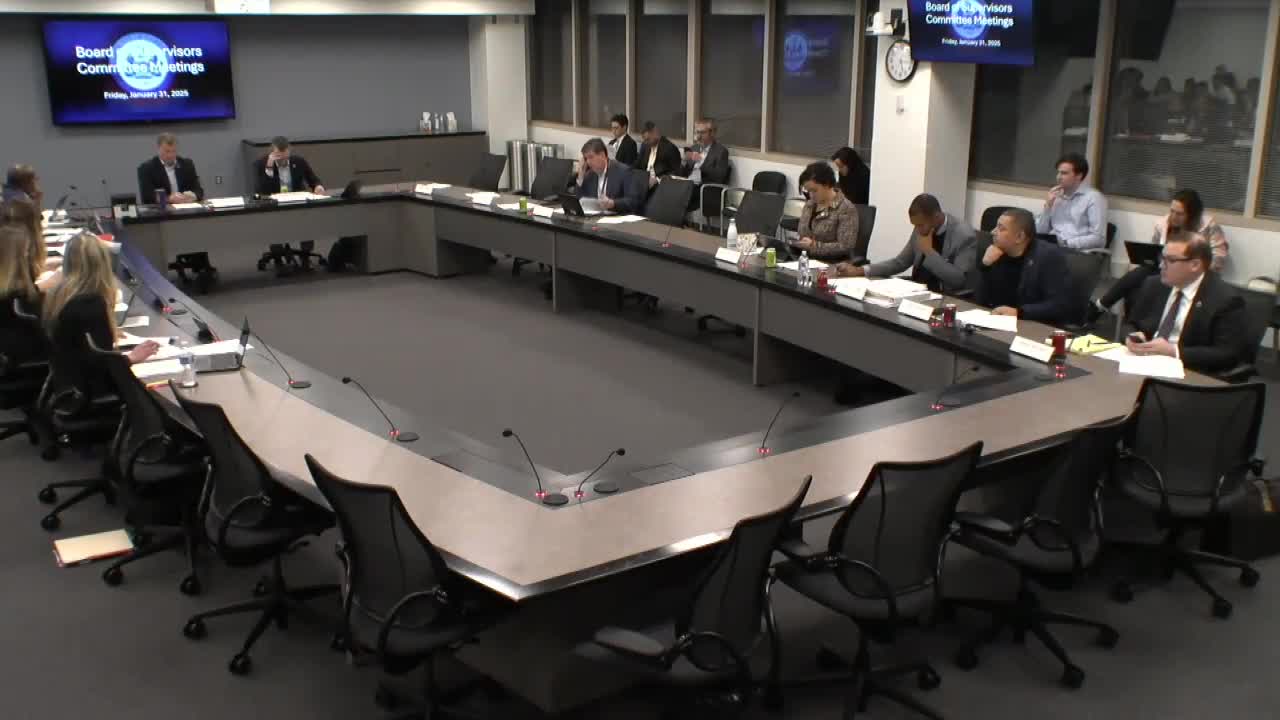
Fairfax supervisors split on bill to expand automated speed enforcement beyond school zones
Summary
A bill to expand automated speed enforcement beyond current school and work zones drew mixed responses: supervisors favor wider deployment for safety but staff warned new advisory, warning and reporting requirements could make implementation more complex and costly; board asked staff to keep negotiating amendments.
Fairfax County supervisors and staff discussed proposed changes to Virginia's automated speed enforcement laws that would expand where localities may operate speed safety cameras but would add new procedural and reporting requirements.
County staff described House Bill 2041 (as discussed) and recent amendments that would allow localities to use automated enforcement outside of existing school- and work-zone programs while imposing additional requirements: a warning period before fines, periodic reviews, publicizing camera locations, and formation of local advisory groups.
"If you look at all of the new requirements that are here... a warning before a penalty, periodic review and provision of information... an advisory group... these won't solve any problems in Fairfax County, except making it harder and making it take longer for us to deploy these cameras," the staff presenter said, arguing the new rules would increase administrative burden and slow programs that the county says have been effective.
Supervisors said they wanted to keep negotiating with the bill's patron. Supervisor Palaczek noted the bill would allow localities to deploy cameras in more places — which could address known high-speed corridors — and suggested jurisdictions such as Falls Church City had begun with a warning phase before full enforcement.
"I think we need to continue working on this bill because I think... there are lots and lots of places where if we were able to deploy this technology and bring the speeds down outside of school zones, that'd be really, really good," Supervisor Behrman said. Several board members urged staff to continue conversations with the patron to balance broader deployment with administrative feasibility and funding.
Ending: The committee directed staff to continue negotiating amendments with the bill sponsor to reduce administrative complexity and to analyze the program's costs and warning-period effects on enforcement revenue and administrative workload.