Get Full Government Meeting Transcripts, Videos, & Alerts Forever!
Get email alerts on the Data Center Bills topic
No spam. Unsubscribe anytime.
Fairfax staff: proposed data‑center rules risk limiting local control and creating conflicts
Summary
Staff told the legislative committee that several bills addressing data centers would constrain local zoning authority, create conflicts with existing standards and impose prescriptive technical requirements; staff recommended opposition or seeking amendments on multiple measures.
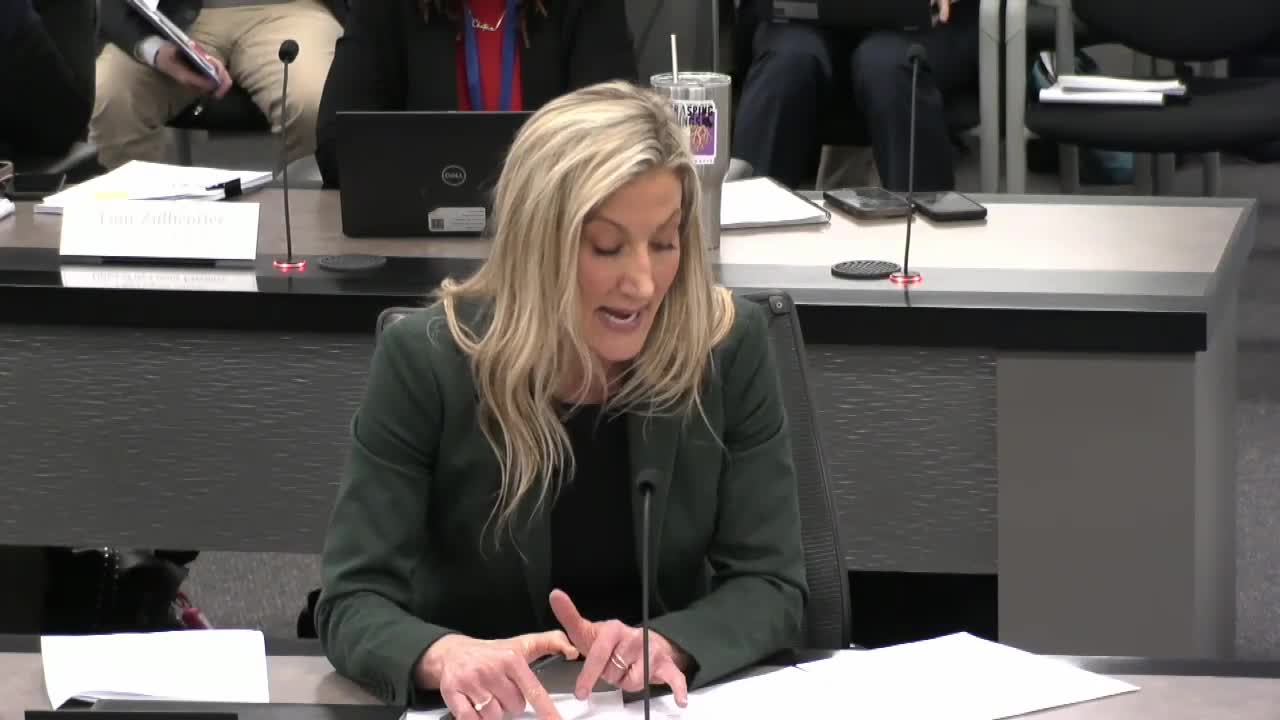
County staff told the Fairfax legislative committee on Jan. 24 that a package of bills aimed at new limits and requirements for data centers could unintentionally curtail local land‑use discretion and create compliance conflicts with existing environmental and permitting standards.
Jennifer Vanni and county legal staff reviewed several measures, including SB 10 46 (sound/noise and notice requirements), SB 10 45 (limiting data centers to industrial zones), and HB 1601 (information and review requirements for high‑energy facilities). Staff warned these bills, as drafted, could limit local authority to require more expansive studies or mitigation in specific locations and could impose blanket technical standards that exceed what is required for other commercial and industrial uses.
Why it matters: Fairfax has recently revised its zoning rules for data centers and county staff said local special‑exception reviews already allow the county to require noise, energy and siting mitigation that the state bills purport to address. Staff argued that some language in the bills (for example, requiring sound not to exceed preconstruction ambient levels) could be impossible to meet in many urban or industrial contexts and might prevent projects that could otherwise meet local standards through mitigation or conditions.
County staff also flagged a potential conflict with air‑quality rules: one bill would limit backup generator testing to 9 a.m.–5 p.m., while DEQ non‑attainment rules impose seasonal daytime prohibitions that differ from that window. The county attorney’s office recommended opposing SB 10 46; for SB 10 45 staff recommended “oppose unless amended” to preserve the county’s option to use special exceptions and local zoning tools.
Ending: Staff asked to pursue amendments with patrons to preserve local review authority, ensure technical requirements do not conflict with DEQ or other state standards, and avoid one‑size‑fits‑all mandates that could make mitigation infeasible.