Get Full Government Meeting Transcripts, Videos, & Alerts Forever!
Get email alerts on the Traffic Enforcement topic
No spam. Unsubscribe anytime.
Guardrail proposals for speed-camera expansion prompt county concerns about administrative burden
Summary
County officials warned that recent House and Senate proposals to widen speed-camera authority include new reporting and program requirements that could slow Fairfax—s existing camera rollout and add operating costs, and they urged focus on streamlining permitting and VDOT coordination.
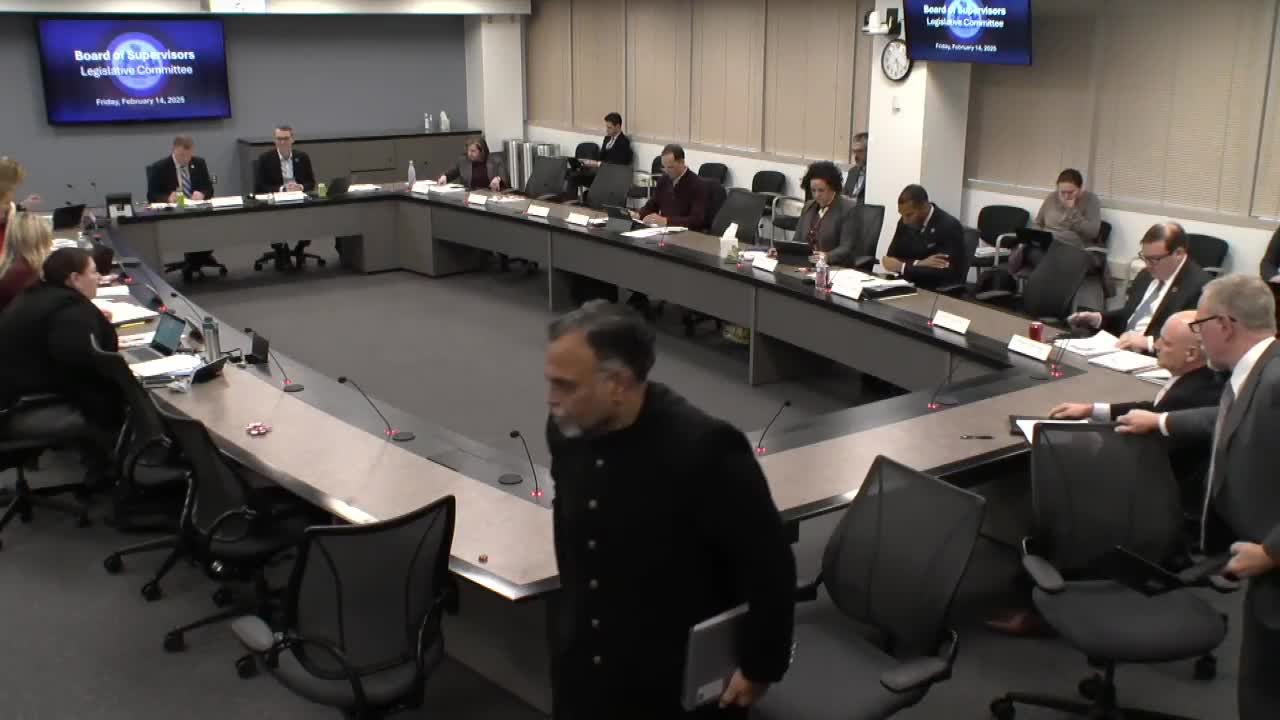
County staff and county executives told the Legislative Committee that several bills considered by the General Assembly would expand authority for automated speed-enforcement cameras but add administrative requirements that could hinder the county's current program.
Tom Arnold, deputy county executive, said substitute legislation being negotiated in Richmond would add multiple "guardrails," including duplicate signage, expanded reporting, and other requirements that are difficult to track and could impose significant administrative work. Arnold warned that some of the reporting items are not currently trackable with existing vendor systems and that costs vendors pass to violators for electronic payment could instead fall to the locality under some versions of the bill.
"One of the delays with the school bus arm camera was simply with the way that the vendor reports and records data having to work with the Supreme Court of Virginia on that, as you all know, has delayed that program approximately a year," Arnold said. He added that if the county must reprogram vendor systems or issue a new RFP to meet the new statutory requirements, expansion of the county—s program could be delayed and add local expense.
Staff also cautioned that some bills had initially proposed routing fines to statewide safety programs rather than allowing localities to retain revenue for local safety uses; proponents amended language in some substitutes to permit local retention for safety projects, but staff said the posture of several bills remains in flux.
Committee members urged work with state officials to ease permitting obstacles. Supervisor Paltrow pointed out that VDOT permit and right-of-way processes and the cost of applications have slowed local expansion and increased project costs, citing the Blake Lane example where third-party fees were substantial.
Why it matters: Fairfax County is seeking to expand automated enforcement for safety but staff say the legislative substitutes now include compliance, reporting, and vendor requirements that could reduce the speed and scale of expansion unless lawmakers allow flexibility on technical and procurement issues.
Next steps: county staff said they will continue to press sponsors to revise guardrails that would force reprogramming or impose nontrackable reporting obligations and will coordinate with regional partners on permitting and vendor issues.