Get Full Government Meeting Transcripts, Videos, & Alerts Forever!
Get email alerts on the Property Tax Rates topic
No spam. Unsubscribe anytime.
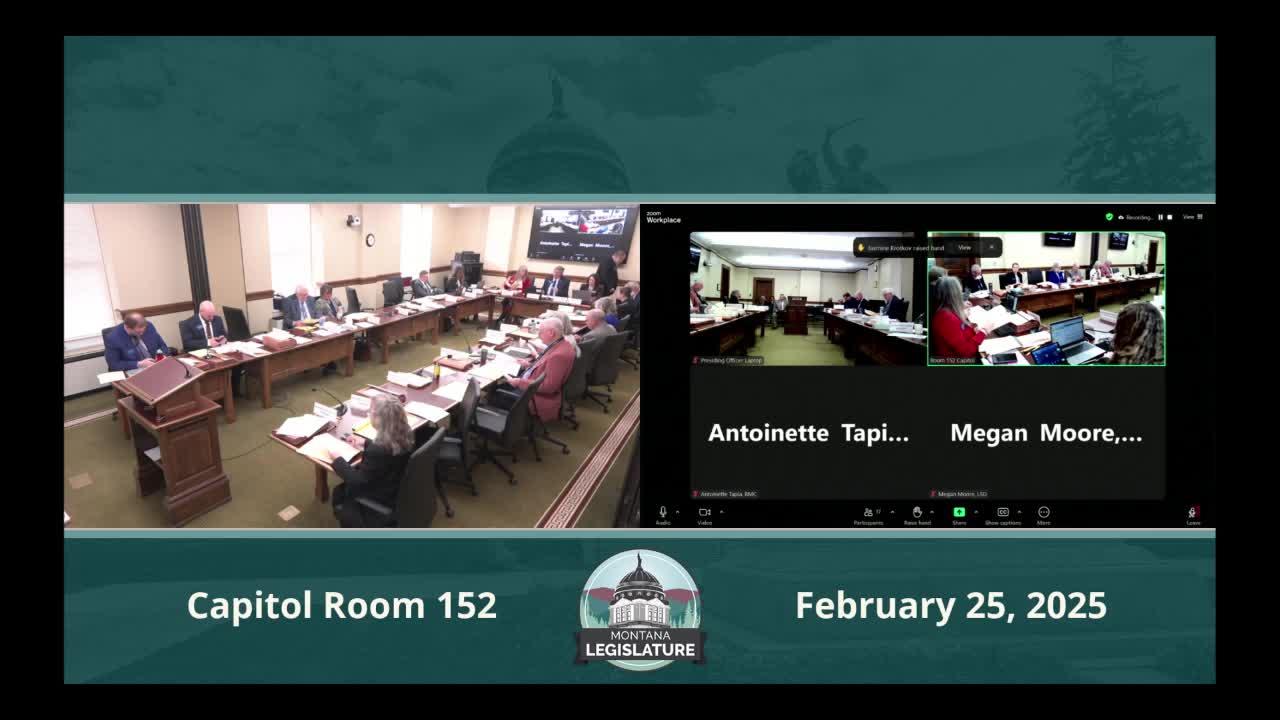
House committee hears bill to cut state property tax multipliers, sponsors say it restores fairness for homeowners
Summary
House Bill 528 would lower statewide property tax rates to shift the tax burden away from residential property after recent reappraisals; sponsors and proponents described broad homeowner relief while opponents warned of revenue and equity tradeoffs and larger state fiscal consequences.
Representative Edward Byrne opened the HB 528 hearing by saying the bill reduces state multipliers that determine class‑based property tax rates and described the measure as a way to offset recent property value increases that have raised homeowner tax bills. Byrne said the bill reduces the class 3 (agricultural) multiplier from 2.16 to 1.7 and lowers the main residential multiplier for most residences from 1.35 to 0.76 (with a secondary residential bracket for homes over $1.5 million shifting from 1.40 to 1.35).
Proponents told the committee the change would reverse the large increase in residential tax burden caused by recent reappraisals and preserve homeownership. Senator Mary Ann Dunwell framed HB 528 and a similar Senate bill as bipartisan efforts to equalize taxable values across property classes and prevent ballot initiatives that could impose more rigid limits. Montana Farmers Union and a range of small‑business and farm witnesses said lowering the multipliers would provide broad relief for homeowners, small businesses and farms and preserve community stability.
Public testimony included county‑by‑county and household examples of tax savings; proponents and multiple witnesses presented charts and local impact estimates distributed at the hearing. Witnesses described the size of the effect in particular counties (testimony and handouts included per‑county illustrative savings for a $300,000 residence), and proponents emphasized that without statutory rate reductions a large share of residential taxes would remain “baked in” from the last appraisal cycle.
Opponents, including the Montana Taxpayers Association, acknowledged the problem of rising homeowner tax bills but warned HB 528 would reduce state revenue from the 95‑mill state levy and require larger backfills from the general fund. Opponents said the bill’s uniform rate cuts risk shifting costs unevenly and noted that other policy options (targeted credits, circuit breakers or more finely graded rate changes) could address disparities without the same statewide fiscal tradeoffs. They also questioned whether the bill's lower multipliers would be sustainable and how the local mill adjustments and guaranteed tax base would interact.
Department of Revenue staff and other informational witnesses appeared and took questions about mechanics and fiscal effects; committee members requested and discussed fiscal estimates. Sponsors said the bill is intended both as a standalone tax‑rate adjustment and as a foundation that can be combined with other measures; several lawmakers and proponents referenced related Senate bills and a pending class‑action lawsuit tied to reappraisal effects.
The hearing closed with sponsors urging committee passage; the committee did not take executive action and the fiscal note was noted as forthcoming in committee testimony.