Get Full Government Meeting Transcripts, Videos, & Alerts Forever!
Get email alerts on the Court Office Reform topic
No spam. Unsubscribe anytime.
Debate over making Supreme Court clerk an appointed, rather than elected, office draws divided testimony
Summary
Senate Bill 332 would convert the Clerk of the Montana Supreme Court from an elected office into a position appointed by the seven justices, sponsors said, to professionalize hiring; the elected clerk opposed the change, saying appointment would reduce independence.
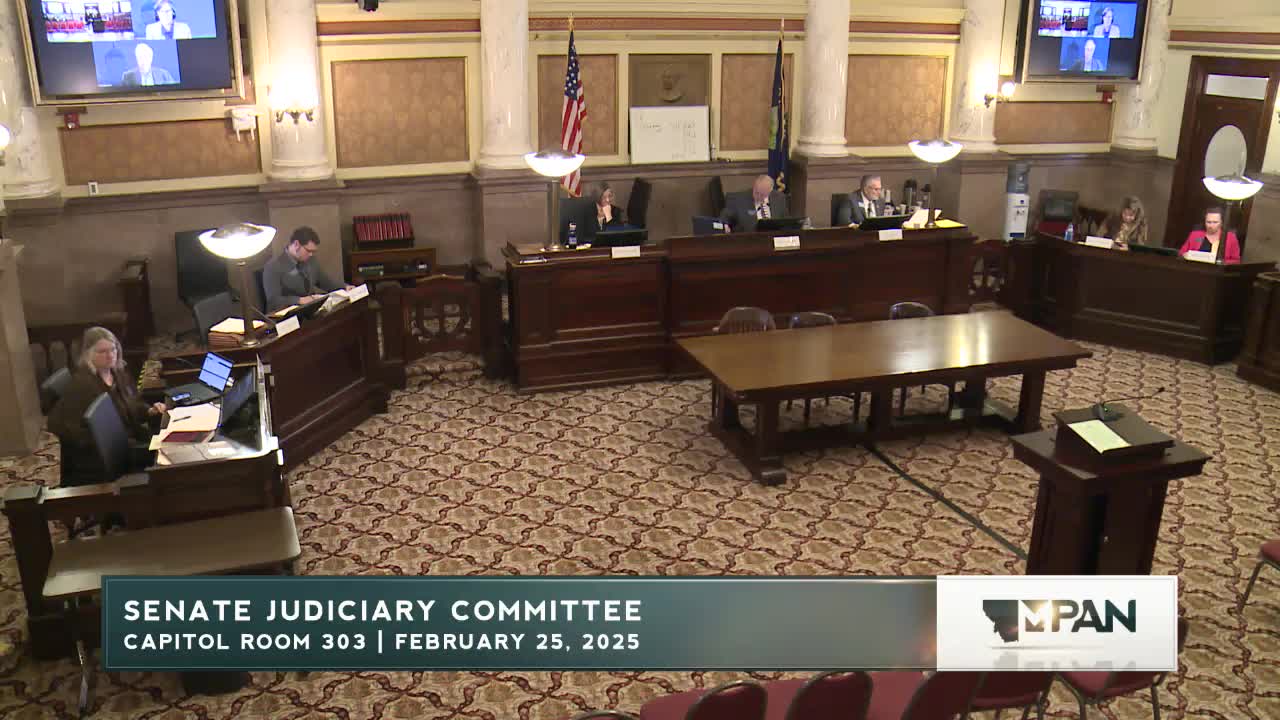
Senator Willis Curti opened Senate Bill 332, proposing to make the Clerk of the Montana Supreme Court an appointed position chosen by the seven justices of the court. Curti told the committee the clerk’s office performs long‑standing administrative functions — managing dockets, filings, licensing attorneys and custody of court records — and that selection by the justices would allow the court to hire based on experience and qualifications.
Proponents argued the proposed change would better align hiring with the court’s administrative needs and help ensure the clerk is a professional, experienced administrator rather than a partisan elective office. Patrick Yawake, speaking for several tribal governments, supported the bill and said it followed the chief justice’s call for nonpartisanship in court administration.
Elected Clerk Bowen Greenwood testified in opposition, arguing the existing elected structure provides independence and public accountability. Greenwood warned that an appointed clerk could be dismissed if the court wished to avoid scrutiny when the court operates outside its own rules, whereas an elected clerk reports to the public. "If you believe that the Montana Supreme Court is capable of error, you should oppose this bill," Greenwood said.
Committee members questioned whether the bill would create a "protected" classified position or an at‑will appointment, and explored employment‑law implications. Sponsors said the court would set qualifications and that the position would "serve at the pleasure of the court," language that drew follow‑up questions about due‑process protections and whether court rules or state employment law would apply in a dismissal.
The transcript shows extended questioning about the policy rationale and the history of the clerk’s office; later in the committee’s executive session, senators moved to table the bill and the motion passed on a roll call (five yes, three no). The bill was tabled in Senate Judiciary during that session.