Get Full Government Meeting Transcripts, Videos, & Alerts Forever!
Get email alerts on the Retirement Communities Alcohol topic
No spam. Unsubscribe anytime.
Bill would let licensed retirement communities serve alcohol across campus; supporters say it boosts residents' social life
Summary
House Bill 491 would expand where licensed continuing care retirement communities and assisted‑living facilities can serve alcoholic beverages on campus. Supporters, including residents and operators, said the change would help social engagement; regulators signaled they could work with sponsors on specific language about campus controls.
HELENA — House Bill 491, sponsored by Representative Katie Zolnikov, would permit licensed continuing care retirement communities and assisted‑living facilities to serve alcoholic beverages at multiple specified service locations across a licensed campus rather than only in a single restaurant space.
Representative Zolnikov said the bill would reflect how many large retirement campuses already operate — with dining rooms, patios, pools and small campus bars — and that the current code sometimes prevents residents from enjoying beverages in those commonly used social spaces. “This bill expands where alcoholic beverages could be served in a retirement community, giving seniors more choice and opportunity to engage in social activities,” said Hannah Pierce, director of resident services at Emmanuel Living, a proponent.
Multiple residents testified in favor, describing the social and emotional importance of dining and social hours. Diane DuBay, a resident, said the bill would resolve service‑support constraints as communities expand dining venues; Joyce Pickel said enjoying “a glass of wine … going with dinner” was an important quality‑of‑life issue.
Regulators from the Office of the Inspector General (licensure) and the Alcoholic Beverage Control Division provided informational testimony and said they were available to answer questions. The alcohol‑control administrator suggested a technical “friendly” amendment recommended by the division to reorganize language and clarify the campus definition.
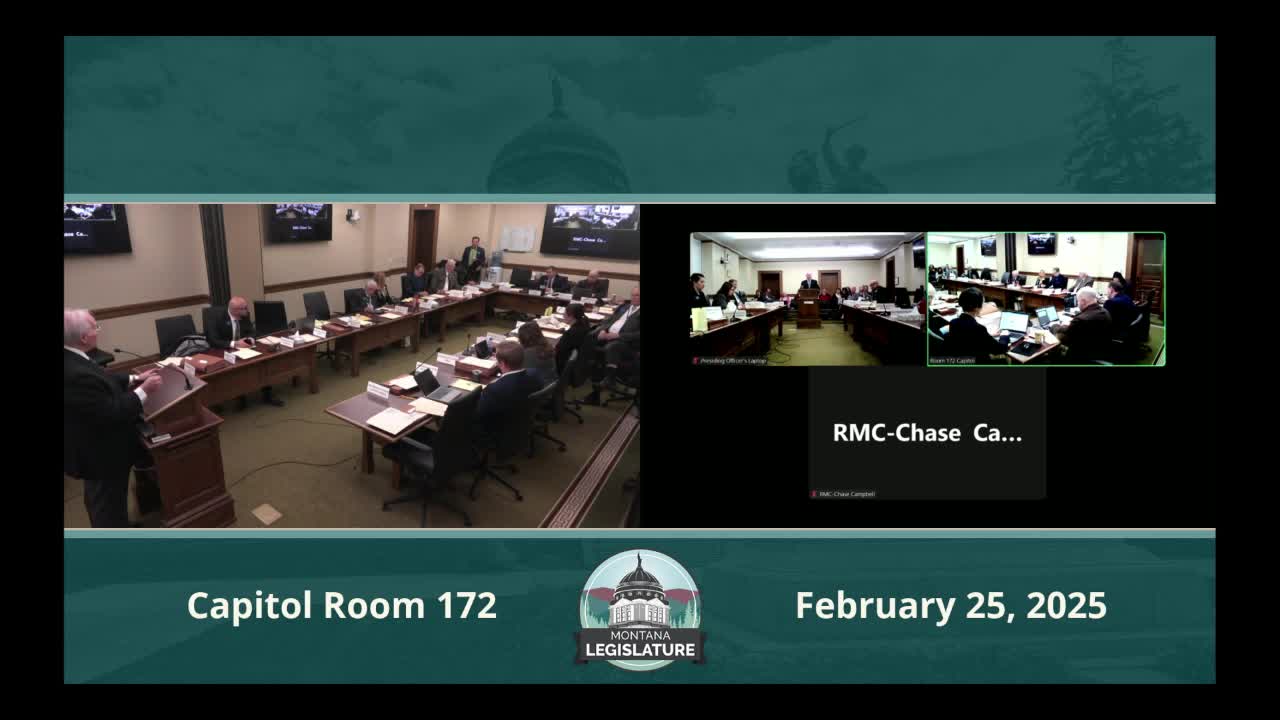
Committee members asked about safeguards to prevent third parties from exploiting a license to open unrelated businesses on retirement campuses. Ms. Zolnikov and proponents said the bill requires campus service locations to be owned, leased or otherwise under the control of the licensee and, for exterior service locations, to be bounded and controlled for access.
Ending: The committee did not vote in the excerpt. Sponsor and proponents said they would support a technical amendment suggested by the Alcoholic Beverage Control Division to clarify language and protect against unintended license misuse.