Get Full Government Meeting Transcripts, Videos, & Alerts Forever!
Get email alerts on the Physician Noncompete topic
No spam. Unsubscribe anytime.
Physician non‑compete ban advances as doctors, hospital leaders spar over access and contracts
Summary
House Bill 620 would broaden the state ban on non‑compete clauses to cover all physicians. Supporters said the ban preserves local access to specialists and primary care; hospital systems warned it could disrupt recruitment and asked for buyout‑clause protections.
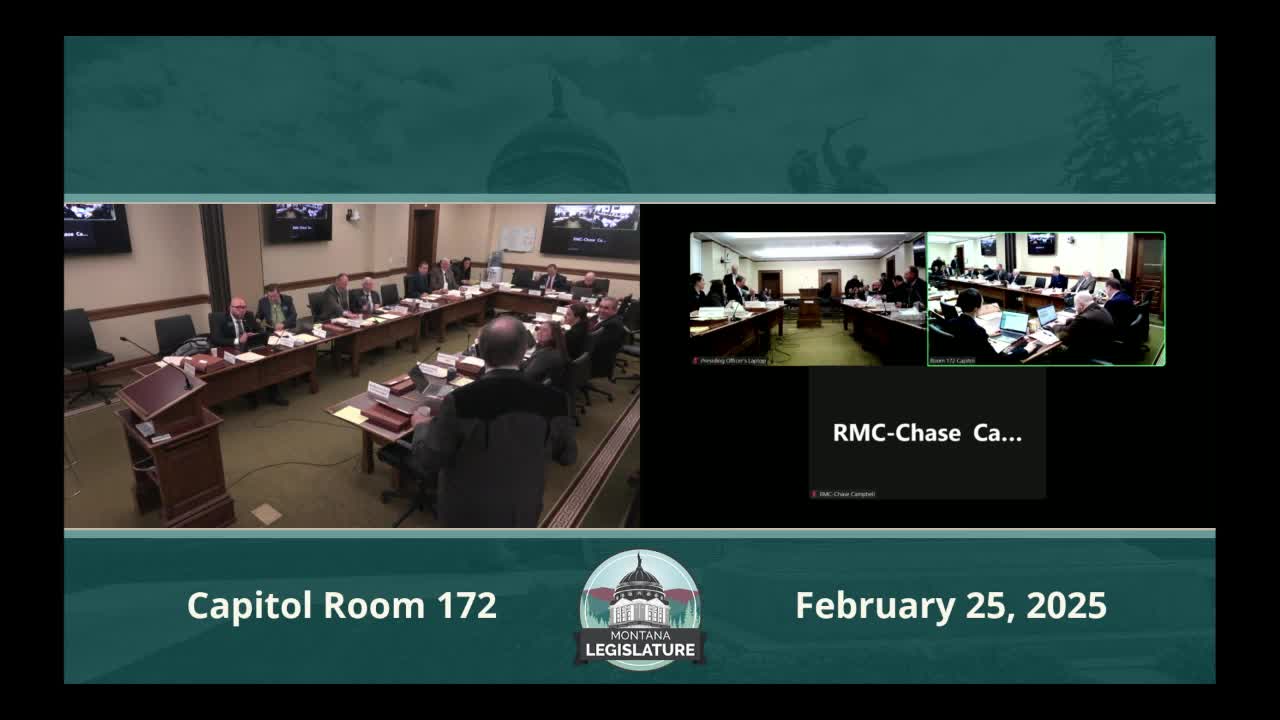
HELENA — The House Business and Labor Committee heard robust testimony on House Bill 620, which would extend Montana’s ban on non‑compete agreements to cover physicians across specialties.
Sponsor Representative Steve Gist said the change is aimed at preserving patient access to physicians in communities that can lose specialists when contractual non‑compete clauses prevent doctors from practicing locally after employment changes. “We don’t want any communities to lose their specialists because they’re forced to relocate miles away under these agreements,” Gist told the committee.
Proponents included the Montana Medical Association and practicing physicians who said that non‑compete agreements have already contributed to departures of doctors from Montana towns. Jean Branscum, CEO of the Montana Medical Association, cited a membership survey in which “87 percent responded that non compete agreements have caused problems in regards to their ability to practice freely in our state.” Supporters told the committee that removing non‑competes would make it easier to recruit and retain physicians and reduce the need for temporary out‑of‑state coverage.
Physicians speaking by phone and in person described situations in which a single specialist’s departure left long waits for services and forced patients to travel. Jonathan Anderson, president of Northern Rockies Anesthesia Consultants, said non‑competes prevented his group from consolidating part‑time work into full‑time in‑state positions and led to use of higher‑cost temporary staff.
Opponents included Intermountain Health, which said non‑competes are commonly coupled with buyout clauses and used to protect continuity of critical on‑call services. Adam Schafer, Intermountain’s vice president of network development, told lawmakers the system uses non‑competes with buyout provisions to protect hospitals’ ability to provide services and to justify recruitment investments. He said the system was open to negotiated amendments.
Committee members asked about constitutional and practical effects on existing contracts. Quinlan O’Connor, chief legal counsel to the Department of Labor and Industry, said the Contracts Clause and established precedent generally mean legislative changes apply prospectively; existing contracts would likely remain enforceable absent other legal steps.
Ending: The committee did not record a final vote on HB 620 in the transcript excerpt; sponsors and opponents indicated willingness to negotiate specific carve‑outs (for example, buyout provisions) and to coordinate across bills that affect similar statutory sections.