Get Full Government Meeting Transcripts, Videos, & Alerts Forever!
Get email alerts on the Parking Permits topic
No spam. Unsubscribe anytime.
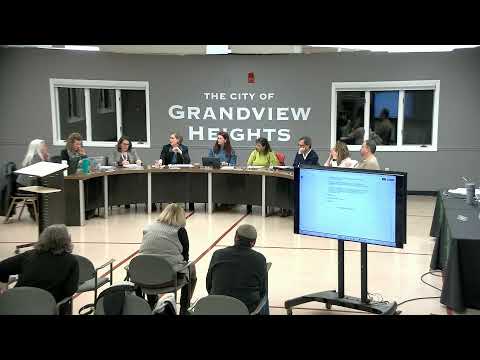
Council approves restricted residential parking zone B after hours debate
Summary
Grandview Heights City Council approved Ordinance 2025-01 to create a restricted residential parking zone B with permit hours of 4–10 p.m. Monday–Friday after discussion over study methods, petition thresholds and possible 24-hour restrictions.
Grandview Heights City Council on a final vote approved Ordinance 2025-01 to create a new restricted residential parking zone B, setting permit hours from 4 to 10 p.m., Monday through Friday, and specifying resident permit issuance described in the ordinance.
Council members debated the ordinance’s scope and process before the vote. The council heard objections from colleagues who said the underlying parking study may not have captured future demand from nearby condo development and urged either returning the item to committee or extending permit hours to 24 hours. Council member Kozak argued for additional review, saying the study may not have accurately estimated future need as nearby development comes online and that a 24-hour option deserved further consideration.
The ordinance’s drafters removed a resident fee, and the final text memorializes permit rules discussed in committee: residents would be issued a permit for each vehicle in the household and may receive up to two additional permits, and the ordinance retains a petition mechanism (65% threshold in the current draft) to trigger reconsideration by the city. A city staff member defending the process said the study’s methodology was defensible and that the 4–10 p.m. window is “more inclusive than what actually the data showed.” The staff member added that the city will use enforcement and complaint data to evaluate the district after implementation: “The data we will have will be enforcement data, just kind of on a day to day basis.”
Speakers pressed for clarity about how a resident petition would be processed going forward. Several council members reminded the meeting that the safety committee may take testimony and make recommendations but cannot itself adopt a district for council; the administration would be responsible for retaining consultants or conducting further study if warranted.
After discussion, a motion to approve the ordinance carried on the roll call. Walker recorded a “no” vote during the roll call; other council members supported the measure. The ordinance now moves to implementation steps in the administration, including enforcement monitoring and opportunities for future reassessment.
The council’s debate repeatedly returned to two practical questions: (1) whether the study should be revisited as nearby development increases demand, and (2) whether the petition threshold in the ordinance sets the right bar for residents to require a reexamination. Several council members said the 65% petition threshold ensures that a clear majority is needed to trigger legislative reconsideration; others said the percentage may be a high bar for residents to meet and urged clearer outreach about the petition route.
The council’s approval keeps the door open to future changes: staff told members the city can reevaluate the zone as conditions or enforcement data warrant.
Ending: Implementation will include enforcement monitoring and public outreach; council members said they expect the administration to report back if complaints or data show the need for further study or adjustments.