Get Full Government Meeting Transcripts, Videos, & Alerts Forever!
Get email alerts on the Geothermal Rights topic
No spam. Unsubscribe anytime.
Committee debates geothermal ownership, substitutes bill carving out SITLA lands for further study
Summary
Senators debated first substitute Senate Bill 235 over whether geothermal rights should attach to the surface or mineral estate. The committee approved a substituted bill and urged additional stakeholder work; the bill carved out SITLA (School and Institutional Trust Lands Administration) lands from its provisions.
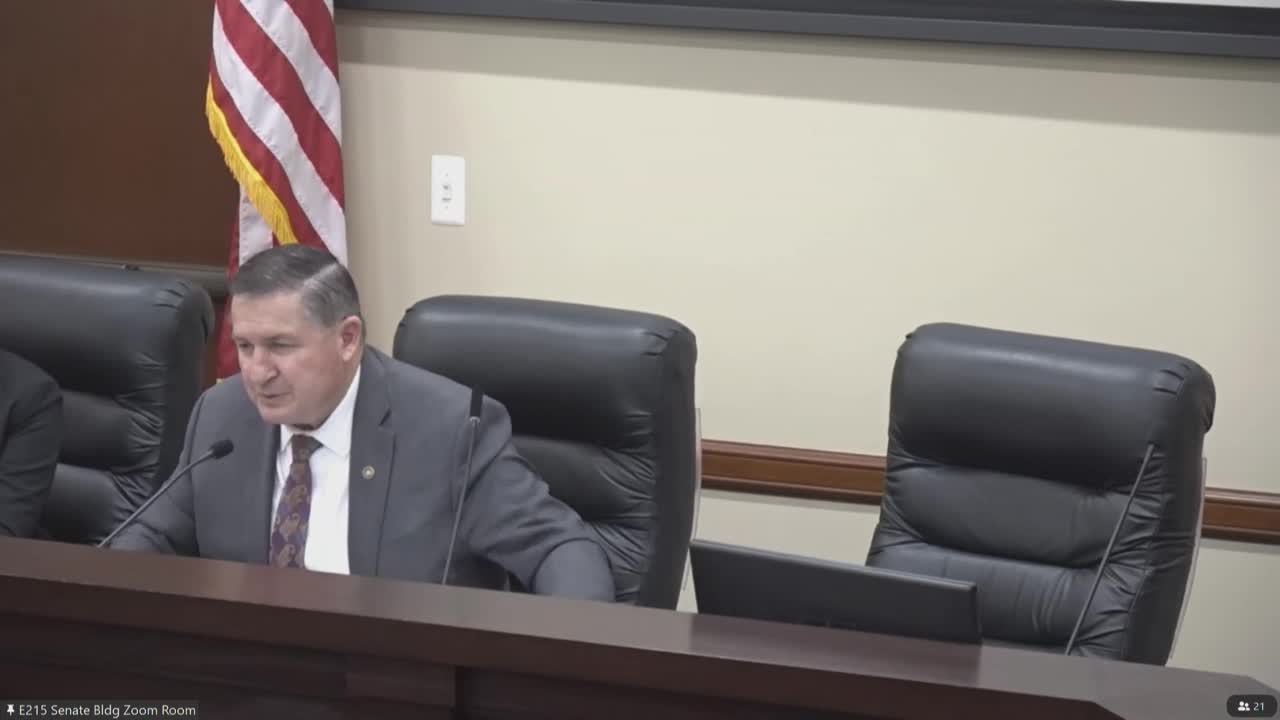
Senator McKell introduced the first substitute to Senate Bill 235, describing the bill as an attempt to set policy for geothermal rights in Utah. "What the substitute did is it actually carved out Sitla," McKell said, referring to the School and Institutional Trust Lands Administration. The sponsor told the committee the substitute would attach geothermal rights to the surface estate while exempting federal and tribal lands and SITLA.
Committee members raised concerns about whether geothermal should be treated as part of the surface estate or the mineral estate. Senator Sandoz, Senator Stratton and others described competing precedents in other states and noted potential legal and valuation consequences. As SITLA legal counsel Mike Johnson explained, SITLA believes geothermal has been included with the mineral estate on many of its 1.2 million acres of “minerals-only” land and noted SITLA had already leased about 5,000 acres under six leases in the geothermal corridor.
Public comment included Wade Garrett of the Utah Farm Bureau, who described geothermal uses in agricultural settings, and the SITLA counsel, who asked for additional clarity and said the first substitute’s SITLA carve-out addressed some concerns. Several senators urged continued stakeholder work rather than making a final policy determination in the short committee timeframe.
The committee approved the deletion-and-substitute motion and advanced the substitute bill for further work; several senators said they would support additional study and stakeholder negotiation before final floor action.