Get Full Government Meeting Transcripts, Videos, & Alerts Forever!
Get email alerts on the Child Welfare Budget topic
No spam. Unsubscribe anytime.
Committee reviews Youth Safety and Permanency budget as state seeks more prevention specialists and foster families
Summary
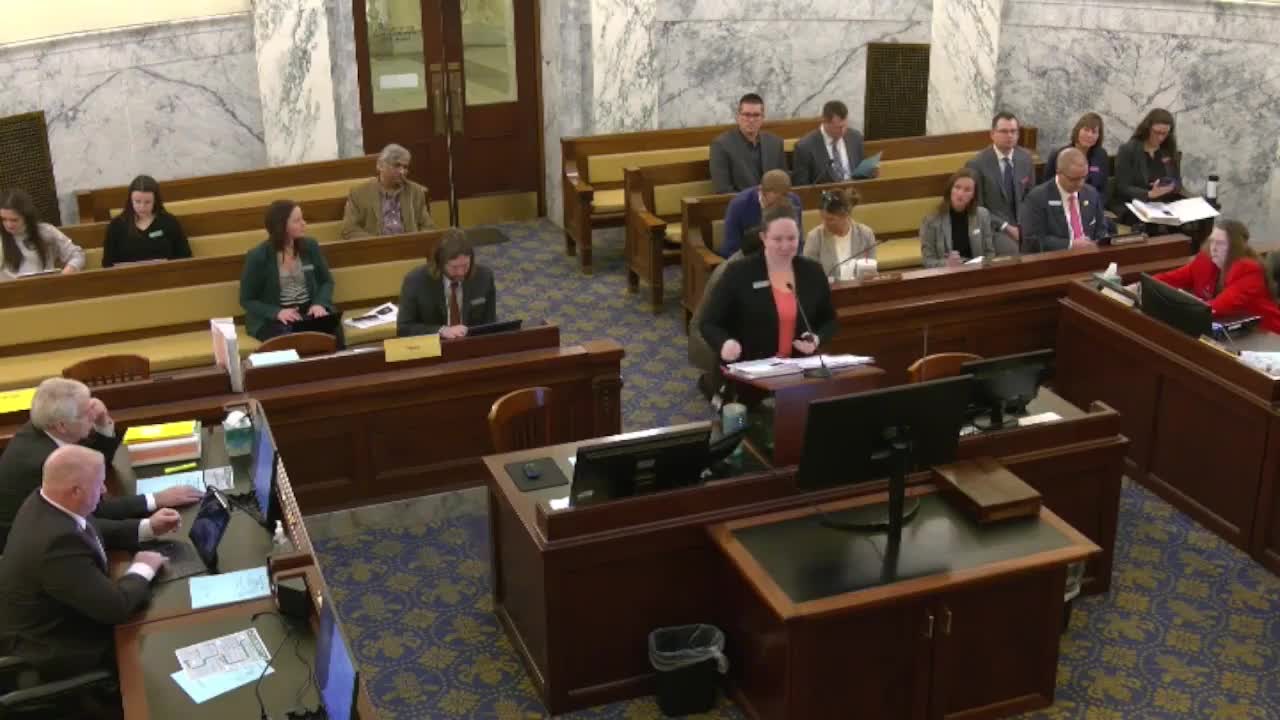
The Joint Finance and Appropriations Committee on Thursday heard a detailed budget presentation and follow-up Q&A on the Division of Child Welfare — now retitled Youth Safety and Permanency — including requests for new staff aimed at preventing out‑of‑home placements and recruiting foster families.
BOISE — The Joint Finance and Appropriations Committee on Thursday heard a detailed budget presentation and follow-up Q&A on the Division of Child Welfare — now retitled Youth Safety and Permanency — including requests for new staff aimed at preventing out-of-home placements and recruiting foster families.
Alex Williamson, budget and policy analyst with Legislative Services, told the committee the division has 434.8 authorized full‑time positions and, as of Feb. 10, 45.8 vacancies; the agency reported roughly 25 of those vacancies are in the interview process and nine are posted. Williamson said the division expended $117,800,000 in fiscal 2024 and that foster and assistance payments made up about 60% of that spending.
The department is seeking a package of positions and funding to expand prevention services and clinical supports. The largest personnel request described by Williamson was for a prevention specialist team of 36 family‑service worker prevention specialists to strengthen families and keep children safely at home; the packet available to the committee lists the request and the page references in the legislative budget book. Williamson said the agency currently has 14 prevention specialists statewide who carry both prevention and foster‑care cases because of demand.
Director Alex Adams told the committee the department’s strategy is to shift more children into prevention services and foster homes and away from congregate care. “If I keep a kid in their home, in a prevention case, it’s a dollar‑eighty a day. If a child is removed from their home and placed in foster care, it’s $16 a day. If I don’t have a foster bed available to them, congregate care is $380 a day,” Adams said.
Adams and Deputy Director Monty Pro described prevention work as intensive and front‑loaded: prevention workers typically see families once a week, conduct assessments, and develop court‑reviewed treatment plans that broker or provide services such as counseling or substance‑use treatment. Pro said the goal is to shorten the time staff are involved and close cases when appropriate.
Committee members pressed the department on several operational points. Williamson said the budget request includes funding to hire clinicians to assess children entering high levels of care and staff to expedite kinship placements; the governor’s recommendations reduce some of those requests (for example, the agency asked for 12 positions in one area and the governor recommended nine). Williamson also described requests for foster program clinical staff, licensing staff to shorten the foster‑parent licensing timeline (agency reported average licensing takes about 80 days), and case‑management support to reduce average caseloads (the agency reported 67 case managers with average caseloads of 32 youth and proposes reducing that to 26).
Adams told members the department’s foster‑bed ratio has improved under current recruitment strategies — “When I started, we had 74 foster beds for every 100 kids coming into the system. Today, we’re at 94,” he said — and credited faith‑based recruitment efforts and policy changes that make it easier for out‑of‑state foster parents to establish reciprocity.
On a separate but related request, Williamson outlined a supplemental and operating approach for the Payette Assessment and Care Center. The department and governor’s office recommend leasing and operating the facility rather than an immediate purchase; Adams said the governor’s office urged a pause on purchasing as the department evaluates long‑term suitability. Adams also told the committee state funds were used to improve the facility and community partners contributed equipment.
Adams framed the department’s supplemental ask as an effort to pay on the front end for prevention and placement work to avoid larger, recurring supplementals later. He told the committee the fiscal 2026 request includes forecast adjustments driven by increases in congregate‑care needs and specialty care for youth with behavioral, developmental, or health complexities. “We are going to pay for this one way or another; it’s either on the front end or the back end,” he said.
The committee asked follow‑up questions about facility modifications, the costs and timing of supplementals, vacancy‑filling plans, and faith‑based recruitment strategies. No formal committee action or vote was recorded in the transcript; members asked the department for follow‑up information and for reports referenced in the budget book.