Get Full Government Meeting Transcripts, Videos, & Alerts Forever!
Get email alerts on the Election Administration topic
No spam. Unsubscribe anytime.
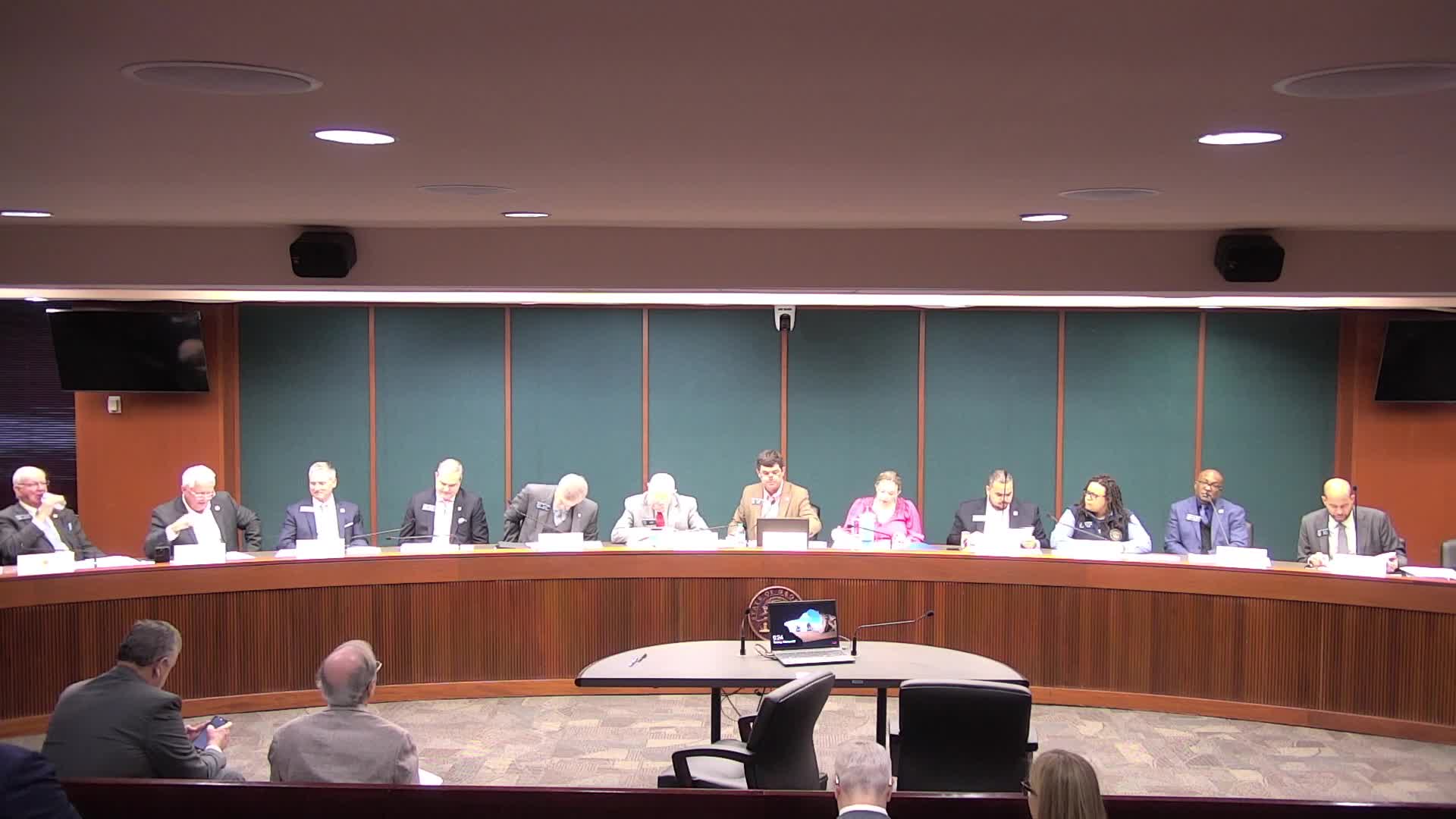
Committee advances bill to bar ranked‑choice voting statewide, exempting overseas voters
Summary
Senate Bill 175 would prohibit use of ranked‑choice voting in Georgia except for ballots governed by federal UOCAVA rules for overseas and military voters; the committee passed the bill after public testimony both for and against.
The Senate Ethics Committee moved Senate Bill 175 forward after a lengthy policy discussion on whether Georgia should permit ranked‑choice voting in state or local elections. The bill would bar ranked‑choice voting statewide with a narrowly drawn exception for overseas and military ballots covered by federal law.
The bill’s sponsor said the measure preserves runoff elections and argued ranked‑choice systems can cause voter confusion and delays in results when used in larger, partisan contests. The sponsor cited examples and concerns about "ballot fatigue" in contests where voters are asked to rank many candidates and said Georgia’s current system — including runoffs — promotes familiarity and clarity for voters.
The committee heard public testimony from multiple speakers. Garland Favorito of Voter GA said his organization’s members support the bill and proposed additional language to limit complaints and tighten the structure around use of ranked‑choice ballots. Ben Rowley, citing a Kennesaw State study, warned that state runoffs can be expensive at scale and that ranked‑choice voting can produce majority winners without a separate runoff. Scott Turner, who testified in favor of ranked‑choice voting, disputed several examples opponents cited and argued that delays in other jurisdictions were driven by rules and practices unrelated to instant‑runoff counting rather than the voting method itself.
Legislative counsel advised the committee that, other than the UOCAVA exception for overseas ballots, Georgia’s election code does not authorize ranked‑choice voting in state or local contests today. Committee members who represent small municipalities said they understand the costs of runoffs but remained concerned about voter confusion and administrative delays if ranked‑choice voting were allowed statewide.
After testimony and discussion the committee voted to report the bill favorably. The transcript records two opposing votes during the voice count; individual yes‑votes were not recorded by name in the committee transcript.