Get Full Government Meeting Transcripts, Videos, & Alerts Forever!
Get email alerts on the Ethics And Campaign Finance topic
No spam. Unsubscribe anytime.
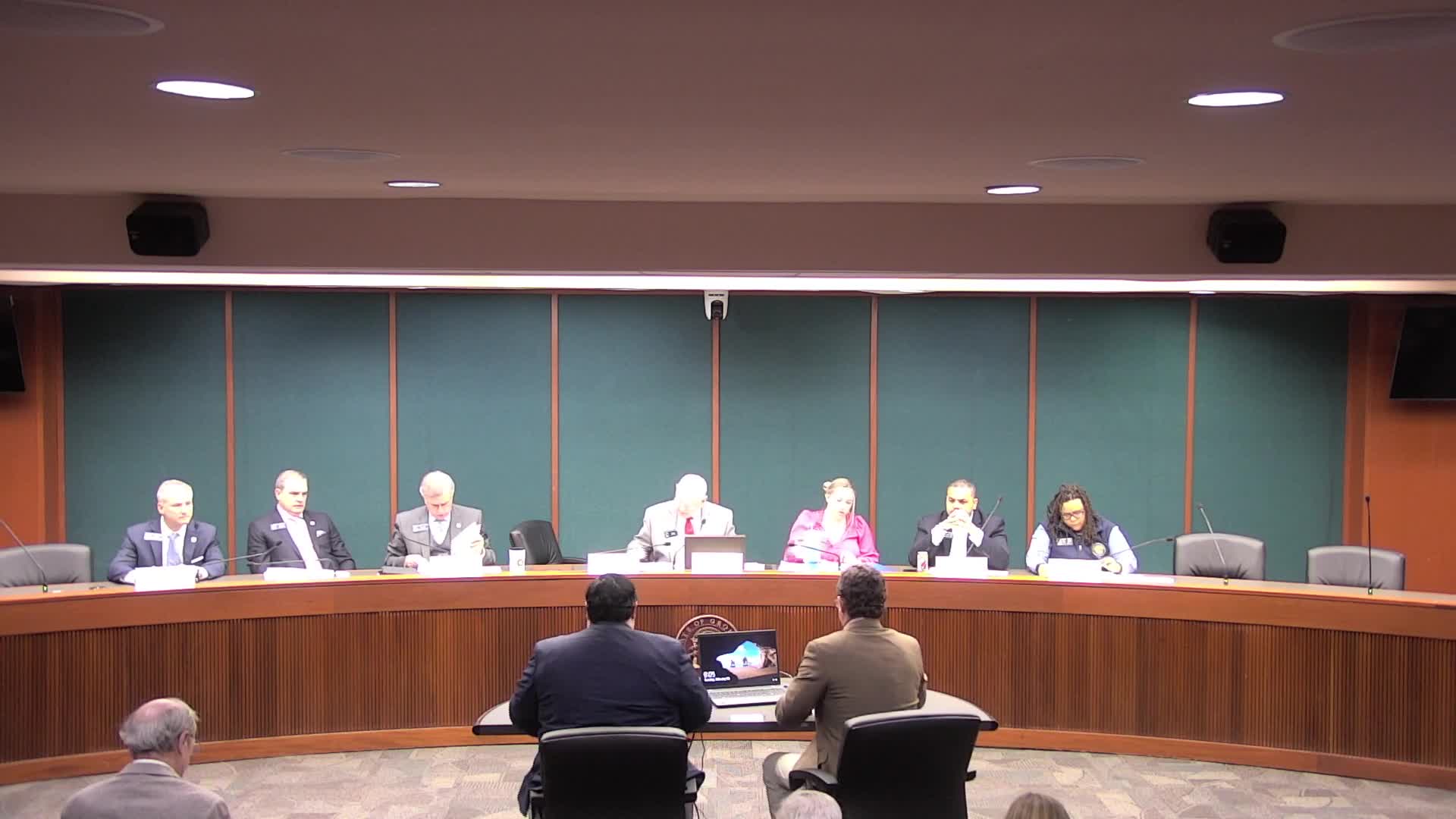
Ethics committee advances bill to extend complaint window, standardize disclosures and redact official addresses
Summary
The Georgia Senate Ethics Committee advanced Senate Bill 199, a package of changes that would expand the pre‑election complaint blackout to 60 days, standardize several reporting deadlines and allow public‑form redaction of officials’ home addresses.
The Georgia Senate Ethics Committee on an undisclosed date advanced Senate Bill 199, a package of changes to ethics reporting and complaint procedures that its sponsor and ethics officials said is intended to simplify deadlines and reduce so‑called "weaponized" filings close to elections.
The bill would increase the current 30‑day limit for filing new ethics complaints before an election to 60 days, a change supporters said would discourage late complaints that are intended for political impact rather than enforcement. It would also move several filing deadlines to consistent schedules: campaign committee disclosures and certain PAC reports would shift to quarterly filings; personal financial disclosures for covered officials would be reconciled to an annual April 1 date; and reporting by legislative staffers would be consolidated into a single monthly report due by the fifth day of each month. The bill also requires PACs to maintain separate checking accounts and includes a provision to redact home addresses for public officials from forms made publicly available by the commission.
David Amati, introduced to the committee as the commission’s executive secretary and present to answer technical questions, said the complaint-window change "disincentivizes a little bit of that" late filing and gives staff "a whole other month where maybe we can sift through it and dismiss those frivolous complaints before people go to the polls." He told the committee that the commission immediately notifies an official when a complaint is filed and typically allows 30 days for a response; he said most cases are resolved within six to nine months, with fewer than 10% taking longer than 18 months, usually because of litigation.
The bill also contains a provision that would move municipal candidates’ annual financial disclosure date to Sept. 1 (an amendment the committee accepted) because many municipal offices do not qualify in March or April. Georgia Municipal Association representative Rishi Patel told the committee GMA and ACCG support the bill as negotiated with the stakeholders.
Garland Favorito, co‑founder of Voter GA, spoke in support of the bill and suggested two further amendments to tighten the complaint restriction, including barring complaints from opposition campaign staffers; Favorito said he and his group have seen "weaponization" of complaints in past elections.
The committee adopted the municipal candidate amendment and voted to report the bill favorably out of committee as amended. No roll‑call tally for individual committee members was recorded in the transcript.
What the bill does not do: it does not change statutory penalties for ethics violations, nor does it alter requirements that other public records (for example tax assessor records) remain publicly available. The bill also does not address lobbyist meal limits, which a committee member specifically asked about; the author responded that that subject is not included in SB199.
Next steps: SB199 was amended in committee and recommended to move forward. The bill will now be placed on the legislature’s calendar for further consideration by the full Senate or assignment to other committees as appropriate.