Get Full Government Meeting Transcripts, Videos, & Alerts Forever!
Get email alerts on the Education Tax Credit topic
No spam. Unsubscribe anytime.
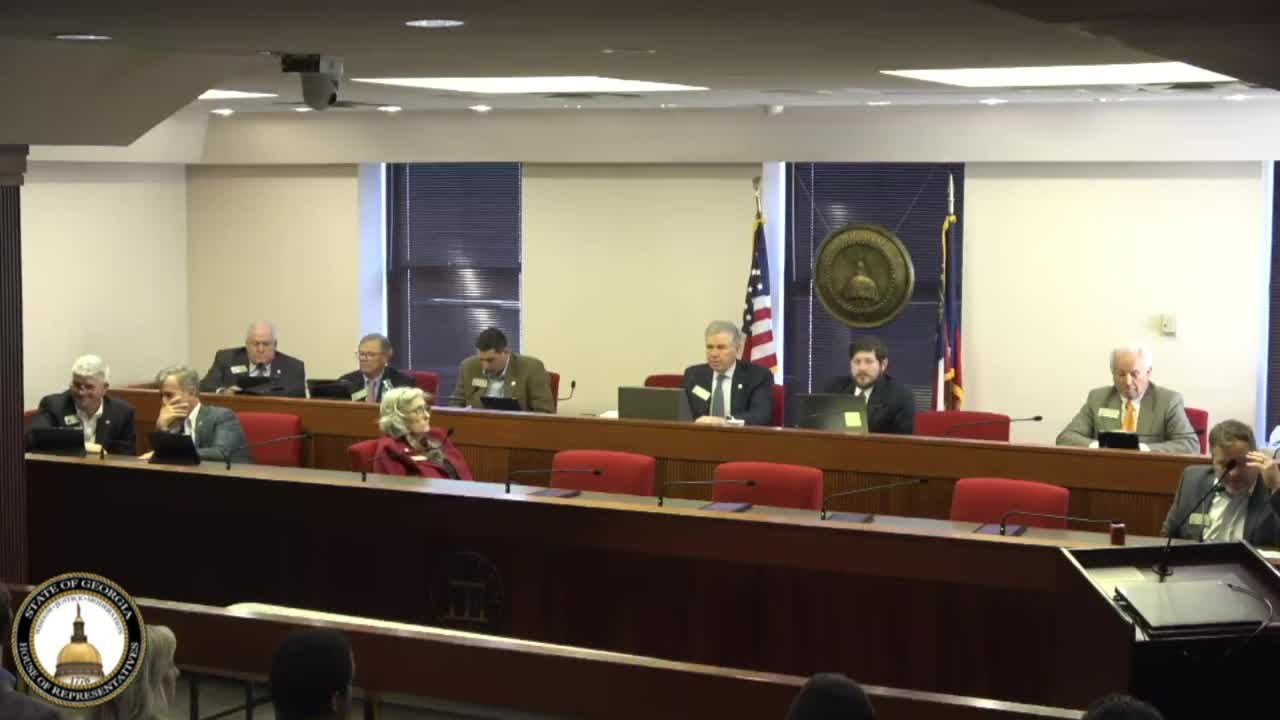
Committee hears expansion of Qualified Education tax-credit program; supporters and education groups debate accountability and fiscal impact
Summary
House Bill 328 would increase the cap on the Qualified Education (QE) scholarship tax-credit program and change remittance and participation rules. Proponents described student outcomes and state savings; education advocates and public-policy groups raised accountability and equity concerns during a lengthy public testimony period.
Chairman Carpenter presented House Bill 328 and a committee substitute that would increase the annual cap for the Qualified Education scholarship tax-credit program and make several procedural changes for donors and participating organizations.
The bill would raise the authorized cap (the author described increasing the program from $120 million to $140 million in available credits) and would change timing and remittance rules for contributors so donors have more time to remit (the substitute would extend the remittance period to 120 days). The substitute also includes language to prevent carryforward of some tax credits and reduces the allowable share for insurance-company participation (the text would lower a participation cap for insurers from 75% to 30% in the version discussed), and it adds a “second bite at the apple” mechanism so partly remitted pledges can be used again at a modest proration later in the year.
Why it matters: Proponents said the scholarships expand educational options and can save state money on a per-student basis when compared to state QBE funding; they also said scholarships serve low-income families and produce measurable educational and socioeconomic gains. Opponents — including education-justice and public-policy groups and the professional association representing teachers — urged caution, questioned the fiscal math, and called for stronger accountability for participating private schools, particularly when students with disabilities or disciplinary histories are involved.
Who testified
- Ben Sailor, Georgia Gold Scholarship Program, described administrative experience and said the program currently serves roughly 12,000 students and can grow with additional credit capacity.
- Melanie Marburger, Cristo Rey Atlanta Jesuit High School, described Cristo Rey’s model and alumni outcomes, saying the school serves students from 13 counties and has a record of college placement for graduates.
- Mikaela Arciaga, Texas-based IDRA (education research and policy nonprofit) and Georgia advocacy director, expressed concerns about protections for vulnerable students and the program’s accountability and transparency.
- Ashley Young, Georgia Budget and Policy Institute, said her organization opposes expansion and urged scrutiny given existing funding for K–12 and poverty-related funding gaps.
- Josh Stevens, Professional Association of Georgia Educators (PAGE), opposed diverting public funds to private scholarships and asked lawmakers to evaluate newer programs before expanding this one.
- Kellen Carr, AAA Scholarship Foundation, and Kennedy Atkins, Georgia Public Policy Foundation, spoke in support and urged lawmakers to raise the cap to reduce wait lists and expand services to low-income students.
Clarifying details from the hearing: The author said the program produces lower per-student costs compared with certain public-school funding measures and noted a roughly $4,400 average scholarship amount used in prior fiscal comparisons; committee members asked about recent state K–12 funding increases and whether expansions would compound pressure on public-school finances.
The committee did not vote on the bill in this hearing; this was a first hearing with extended public testimony and discussion.