Get Full Government Meeting Transcripts, Videos, & Alerts Forever!
Get email alerts on the Wrongful Conviction Compensation topic
No spam. Unsubscribe anytime.
Committee advances Wrongful Conviction Compensation Act to create administrative claims process
Summary
House Bill 533 would create a uniform, statutory process for compensating people who were wrongfully convicted, move claims to the Office of State Administrative Hearings and establish a per-year award formula; committee passed the bill after approving an amendment.
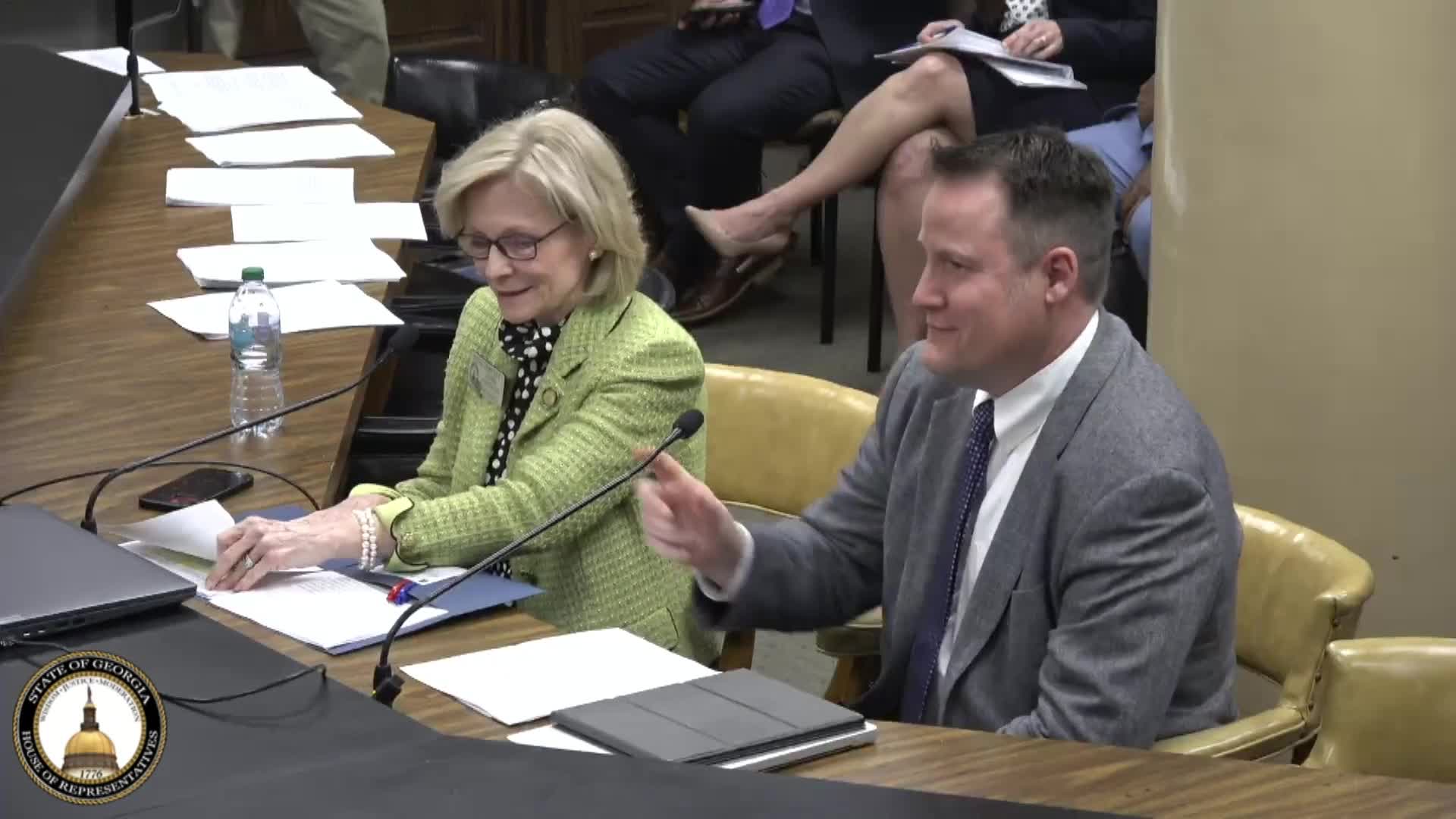
Representative Dempsey and Representative Holcomb presented House Bill 533, described in the hearing as the "Wrongful Compensation Act." Holcomb said the bill establishes a statutory process to compensate innocent people who were incarcerated for crimes they did not commit and moves decision-making from an ad hoc commission to an administrative-law-judge process at the Office of State Administrative Hearings.
Holcomb explained procedural specifics: claims must be filed within three years (with transitional tolling rules for those exonerated before July 1, 2025), an administrative judge would be designated within 15 days and hearings scheduled within roughly 180 days. He said claimants must prove innocence by a preponderance of the evidence and the bill excludes accomplices or people who participated in concealing the true perpetrator.
On compensation, Holcomb said the bill would award $75,000 per year of incarceration, prorated as needed, and an additional $25,000 for convictions that included the death penalty. The bill includes a credit so that any civil-litigation recovery reduces the amount paid under this statute and allows awards to pass to heirs. The committee accepted an amendment (described on the record) to clarify the appropriation process; Holcomb said the judiciary asked to add the phrase "subject to funds appropriated by the General Assembly" so payments would be requested through the judiciary budget and not drawn from existing court operating funds.
Representative Panish praised the bill as bipartisan. There were no members of the public registered to speak against it at this hearing. The committee voted to pass Representative Holcomb's amendment and then voted to pass House Bill 533; the transcript records a voice vote and the chair announced the bill "passes." The committee also recorded that the amendment passed.
Why it matters: The bill would create a permanent, administratively managed pathway for compensation to people who can demonstrate they did not commit the crime for which they were convicted; it sets specific eligibility criteria, statutory deadlines and a per-year compensation formula, and it routes payment requests through the judiciary budget.