Get Full Government Meeting Transcripts, Videos, & Alerts Forever!
Get email alerts on the Judicial Compensation topic
No spam. Unsubscribe anytime.
Judicial leaders press committee to raise judge salaries to retain experienced bench
Summary
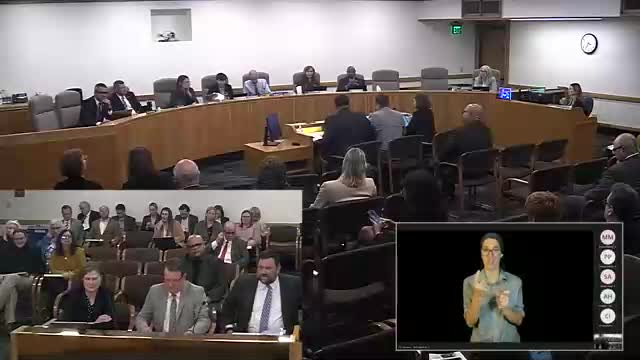
Chief Justice Megan Flynn and the Oregon Circuit Court Judges Association urged the Judiciary Committee to pass Senate Bill 96 raising statutory judicial salaries and restoring competitiveness with other public‑sector attorney positions.
Chief Justice Megan Flynn told the committee that statutory judicial salaries have not kept pace and asked lawmakers to adopt the bill’s amendment to begin addressing the gap.
"These statutory salaries have not been changed since 2019 — five years ago," Flynn said. She said judges have received cost-of-living adjustments but that turnover is increasing and many experienced judges leave the bench for higher-paying arbitration and mediation work.
Judge Matthew Galley, president of the Oregon Circuit Court Judges Association, and representatives of presiding judges described how compensation affects recruitment. Galley said some judicial districts have had difficulty finding qualified candidates and cited past changes that required residency restrictions to be relaxed to fill vacancies.
Jay McKelben, representing Oregon’s presiding judges, outlined workload comparisons between state trial courts and the federal district court and emphasized that Oregon trial judges handled hundreds of thousands of hearings in 2024.
Galley asked the committee to adopt the -1 amendment to SB 96 and called the compensation issue critical to the integrity of the judicial branch.
Why it matters: Witnesses said low relative pay reduces the pool of experienced candidates and accelerates loss of senior judges, making it harder to staff courts and maintain institutional knowledge. Lawmakers were asked to balance fiscal cost against the public interest in retaining experienced jurists.
What happens next: The committee heard the bill; no committee vote was recorded during the public hearing.