Get Full Government Meeting Transcripts, Videos, & Alerts Forever!
Get email alerts on the Rental Inspections topic
No spam. Unsubscribe anytime.
Council hears limits on local rental-inspection authority under state law
Summary
City staff and the city attorney told councilors that Wisconsin law largely restricts proactive, routine inspections of long-term rental units and that enforcement options are generally complaint-based; councilors discussed education and exterior-observation strategies.
City staff and the city attorney briefed the council on state restrictions that limit municipal authority to require routine or annual inspections of long-term rental properties.
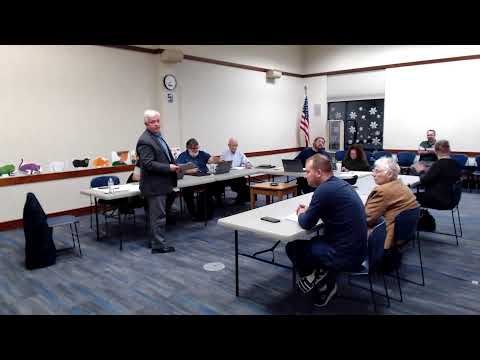
At the Feb. 24 work session city staff reported that state law enacted around 2017'18 restricts local governments from imposing mandatory periodic inspections or pre-occupancy inspections for rental housing, leaving most municipal enforcement to complaint-driven processes. "You are pretty limited," the city attorney said, noting that the statute curtailed the kinds of proactive inspection programs some other states allow.
Councilors and staff discussed alternatives available within state constraints: strengthening exterior observations by building inspectors, using nuisance enforcement tools for properties that present visible hazards or blight, and improving tenant education about reporting substandard conditions. Staff said some exterior issues (peeling paint, deteriorated exteriors) remain enforceable and could be observed during permitted inspections or when inspectors are on site for other reasons.
Council members noted that complaint-driven processes can leave problems unresolved for long periods and that court enforcement is time-consuming and resource-intensive. One councilor described examples from other municipalities where repeated noncompliance ultimately led to demolition orders, but staff noted those remedies are administratively and legally demanding.
The council asked the city attorney to bring back best-practice suggestions for code enforcement, public education materials, and administrative steps the city can legally take to improve housing conditions within the constraints of state law. Staff said it would return recommendations for practical steps such as better data on repeat nuisance properties, clearer reporting channels for tenants, and coordination among police, code enforcement and fire inspectors.
No ordinance changes were adopted at the work session; the item was an informational discussion and direction to prepare follow-up options.