Get Full Government Meeting Transcripts, Videos, & Alerts Forever!
Get email alerts on the Police Personnel topic
No spam. Unsubscribe anytime.
Eastlake council discusses repayment of officer relocation bonus after early departures
Summary
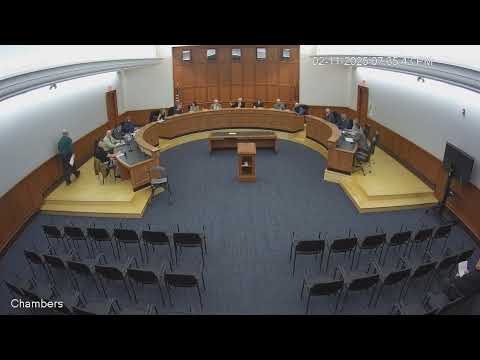
Unidentified speakers at an Eastlake City Council meeting debated whether officers who leave before completing a required term should return a $4,000 relocation/real estate bonus. Speakers noted the employment contract includes a hardship exception and raised concerns about setting a precedent as the city remains short several budgeted positions.
Unidentified speakers at an Eastlake City Council meeting discussed whether police officers who leave before completing a required service term should be required to repay a relocation or real estate bonus.
The discussion centered on a roughly $4,000 payment tied to service, the presence of a contract clause allowing hardship exceptions and concerns about creating a precedent that could affect recruitment and retention. One speaker described having to repay a bonus after leaving a reserve position; another said the administration will seek clarification of the contract and policy.
Why it matters: Council remarks framed the issue as both a personnel and fiscal concern. Speakers said the city has been short several budgeted positions for years, making recruitment and retention important to operations and public safety.
Speakers described several recurring points: that contracts may allow hardship waivers, that repaying a bonus after short service could set a precedent the city should avoid, and that turnover has left the department understaffed. One speaker said the city has been down four budgeted positions for three years and has repeatedly tried to refill the same openings.
On the payment question, a speaker recounted an instance where an employee "had to resign the reserves. They made me pay back my real estate bonus because I didn't complete the service," and said officials should consider whether the city wants to "set a precedent" by accepting repayments in some cases and not others. Another speaker noted the contract "does offer the ability to present a hardship," and said they would seek further clarification about how that clause would apply.
No formal vote or ordinance was recorded on the payment policy in the transcript excerpts provided. Several speakers urged staff or council members to review the contract language, the history of similar payouts and whether the city should change its approach to avoid unintended recruitment disincentives.
The discussion also included contextual personnel notes: speakers said the department had seen persistent turnover and described this individual payout as one example in broader staffing pressures. A speaker cited a specific case involving an officer identified in the transcript as RJ Grant, noting service through the COVID period and the $4,000 figure when discussing accountability for past payouts.
The conversation ended with at least one speaker saying they would pursue clarification of the contract and policy; the transcript does not record a subsequent formal direction, motion, or final decision.