Get Full Government Meeting Transcripts, Videos, & Alerts Forever!
Get email alerts on the Compensation topic
No spam. Unsubscribe anytime.
Port Washington-Saukville board adopts new compensation model aimed at retention amid funding pressures
Summary
The Port Washington-Saukville School District Board of Education on Feb. 24 approved a redesigned compensation model for contracted school‑year staff that ties base pay to district‑run learning credits and longevity steps while preserving a $6,000 master’s bump and adding a $4,000 National Board Certification payment.
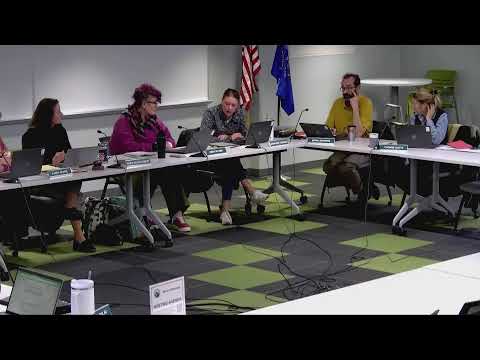
The Port Washington-Saukville School District Board of Education on Feb. 24 approved a new districtwide compensation model for contracted school‑year staff intended to improve retention and align pay with local professional learning.
The board approved the model by voice vote after multiple committee meetings and a district compensation committee process that included teachers, administrators and board members. The new structure moves toward increasing base wages through district-run learning‑based credits (LBCs), provides longevity steps focused around year 6, preserves a $6,000 one‑time master’s‑degree increase and adds a $4,000 one‑time payment for National Board Certification. The district said the model will also remove most out‑of‑pocket course costs for teachers by offering locally designed LBC options and that the changes are planned to take effect July 1, 2025.
Superintendent Michael McMahon and Director Mel Niedesheim described the model as a response to long‑standing funding constraints in Wisconsin and to local enrollment declines that reduce per‑pupil revenue. Mel Niedesheim told the board the district’s revenue limit has risen only modestly since the 1990s and that Port Washington‑Saukville is operating in an environment of lower relative state aid and a special‑education reimbursement rate the administration placed at about 32.4 percent. Those fiscal constraints, administrators said, contributed to committee work on compensation and the need to design a model that balances competitive pay with district affordability.
The compensation committee met repeatedly beginning last autumn and included 31 district stakeholders; administrators said roughly two‑thirds of committee respondents strongly agreed the recommendations were fair and aligned with priorities. Committee priorities identified in district materials were longevity and retention first, followed by retirement benefits and professional development. The district modeled its proposal in part on compensation structures used in nearby districts and said it would continue vetting post‑retirement benefit options with the compensation committee.
Under the new model described to the board: LBCs are locally designed professional learning days, many offered in the summer, that do not require teachers to pay for credits; longevity bumps are concentrated at and after year 6; the master’s bump remains $6,000 and is intended to be available later in a teacher’s career; and a $4,000 payment is provided for successful National Board Certification. Administrators said the model gives clearer multi‑year visibility for employee salary progression and that longevity increases for staff who already exceed the new schedule will be phased in during a transition period.
Board discussion stressed that the committee included teachers at various career stages and that the model is intended to be flexible and revisited by the compensation committee as financial conditions change. Board president Brian (last name not specified in the meeting record) noted the proposal is a starting point and said district leaders will return to the committee with details, including a proposed LBC calendar. The board approved the recommendation by voice vote; the motion was carried with no recorded roll‑call opposition.
Why it matters: Administrators said the change is aimed at keeping younger teachers through the critical six‑year retention point and incentivizing career‑long professional learning tied to district priorities. The board’s action also comes as the district prepares budget projections for 2026–27 and monitors a biennial state budget proposal that could alter aid and reimbursement levels.
What remains unresolved: Administrators said post‑retirement benefit details are still being finalized and will return to the compensation committee for further review. The district also said the exact distribution of CPI and step funds each year will continue to be negotiated and reported to the board.
Sources: Board discussion and presentations to the finance and compensation committees, district slide material and public board debate during the Feb. 24 meeting.