Get Full Government Meeting Transcripts, Videos, & Alerts Forever!
Get email alerts on the Youth Mentoring topic
No spam. Unsubscribe anytime.
High school mentors describe Positive Peer Influencers program to Savannah-Chatham County schools
Summary
High school students told Savannah-Chatham County Public School System officials about the Positive Peer Influencers program, describing peer mentoring, drug-refusal training and community partnerships intended to support middle school students.
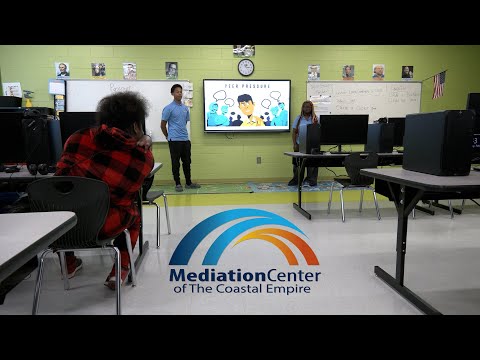
High school students described the Positive Peer Influencers (PPI) program to the Savannah-Chatham County Public School System, saying the initiative pairs older students with middle schoolers to build relationships, discourage drug use and teach refusal skills.
The presenters said PPIs begin the school year by visiting middle school cafeterias to meet students, then return later to use the trust they built to discuss decision-making and refusing drugs. They said training for PPIs included instruction from the Mediation Center of the Coastal Empire and time with Michael Sarhad, director of the Chatham-Savannah Counter Narcotics Team, who the group said emphasized that drug use in Savannah is rooted in upbringing and that early factual education can reduce later use.
“The core of the message is to basically be your own person and don't be heavily influenced by negative people and negative motives,” the presenters said. “Positive peer influencers, empowering our local middle schoolers, encouraging healthy choices, helping navigate peer pressure, and building relationships for the future.” For the Savannah-Chatham County Public School System, Ken Slatz delivered the closing line of the presentation.
According to those speaking, PPIs spend time getting to know middle school students individually — asking about sports and hobbies — before returning later in the year to discuss making positive choices and refusing drugs. The presenters said refusal training is central to the curriculum: “If you know that something is wrong or you don't need to be doing it, then don't do it,” one presenter said, explaining that students are taught specific tools to decline offers.
Presenters identified training partners and local law-enforcement engagement as part of the program. They said PPIs receive training from the Mediation Center of the Coastal Empire and had an opportunity to meet with Michael Sarhad of the Chatham-Savannah Counter Narcotics Team, who advised that early, factual conversations about drugs can influence future choices. The presenters did not specify program funding sources, district staffing assignments or a formal performance measure.
No formal board action, motion or vote was recorded in the transcript excerpts for this presentation. The remarks occurred as a program presentation to SCCPSS representatives, and presenters framed the session as descriptive rather than seeking specific district action.