Get Full Government Meeting Transcripts, Videos, & Alerts Forever!
Get email alerts on the Stormwater And Drainage topic
No spam. Unsubscribe anytime.
Little Rock presents updated stormwater drainage manual with compromises for developers; March 31 deadline for adoption
Summary
City staff presented a revised Little Rock Drainage Manual that reduces developer burden on several technical items, adds site-design credits, narrows required storm analyses, and sets a March 31 deadline for adoption under an ADEQ extension; staff said the draft will be turned into ordinance form for board consideration.
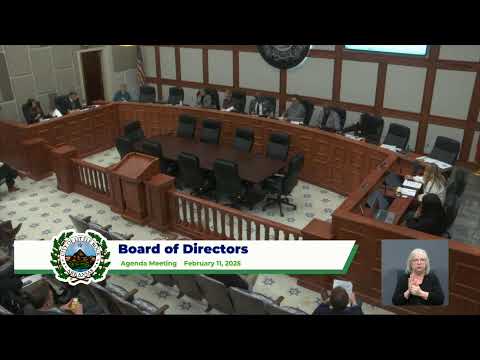
City staff presented the latest draft of the Little Rock Drainage Manual to the Board of Directors on Feb. 11, outlining technical changes, stakeholder compromises and a March 31 deadline tied to a state permit extension.
“It's really to just more effectively and adequately address future flood risk, new stormwater practices and state and federal regulations,” the presenter, Miles, told the board, citing goals to reduce flood risk, improve water quality and protect streams in compliance with the city's state MS4 permit.
Key changes staff said were negotiated with developers and other stakeholders include allowing the modified rational method up to 40 acres and using the rational method for off-site flows up to 200 acres; reducing the number of storm events that require detention analysis from six to three; lowering the water-quality treatment requirement from 1.5 inches to about 1.0–1.05 inches while adding site-design credits for green practices; reducing minimum easement widths from 20 to 15 feet; and allowing a maximum cross slope of 3% for residential streets with steeper side slopes permitted when stabilized.
Miles said the manual went through at least five drafts and multiple stakeholder meetings since May 2023. The November draft incorporated compromises reached in six fall stakeholder meetings; the presenter said a fifth draft incorporating recent stakeholder comments would be completed the week of Feb. 11.
Director Hines pressed staff on whether the city could set a lower development threshold than the state’s 1-acre starting point (for example, one-tenth of an acre) to capture more small infill projects. Miles replied the city must be at least as stringent as Arkansas Department of Energy and Environment (ADEE/ADEQ) requirements and that the thresholds used reflect regional and national practice and the state's permit language.
On timing, staff told the board ADEQ granted an extension to the city's permanent deadline until March 31. Staff said the final manual would be converted into ordinance language and brought to the board for the necessary readings before the deadline.
Why it matters: The manual governs how new development manages runoff, detention and water quality. The changes affect developers, design professionals, and neighborhoods prone to flooding and will shape how the city meets state MS4 permit obligations.
What’s next: Staff will finalize the draft, prepare ordinance language for board readings, and present the ordinance for approval before the March 31 ADEQ deadline.