Get Full Government Meeting Transcripts, Videos, & Alerts Forever!
Get email alerts on the Vista Pointe Residential Rezone topic
No spam. Unsubscribe anytime.
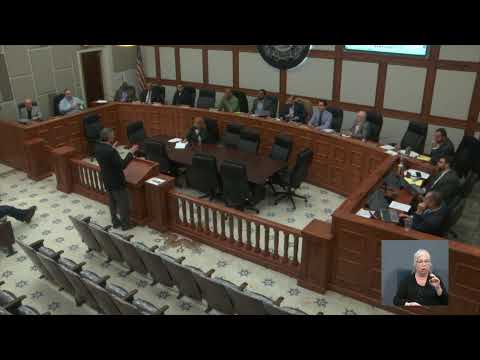
Commission rejects Vista Pointe developer’s plan to rezone 45 lots for duplexes after residents and county officials warn of infrastructure strain
Summary
The commission denied an application to rezone 45 undeveloped lots in Vista Pointe from R‑2 single family to R‑4 two‑family (townhouse/duplex) over concerns about a single entrance, water and emergency access raised by neighbors and Shannon Hills representatives.
The Planning Commission denied a request to rezone 45 of 57 lots in the Vista Pointe subdivision from R‑2 (single family) to R‑4 (two‑family/townhouse duplexes). The developer, Apex Professional Construction LLC, proposed duplex construction to complete a slow‑moving subdivision and argued the change would bring housing options and economic activity to a largely undeveloped plat.
Staff recommended denial, citing a doubling of density concerns, infrastructure stress and the subdivision’s single access point. Opponents and elected officials from neighboring Shannon Hills told commissioners the subdivision depends on Shannon Hills’ water tower and first responders; Shannon Hills officials said the original agreement for the tower contemplated single‑family development only and said a zoning change would increase demand on their limited water, police and fire resources.
The applicant disputed staff’s “double density” claim and presented calculations showing the likely net household population change would be substantially lower than staff asserted and that utility providers raised no objections. Apex also argued the subdivision was never completed since its platting in 2008 and that duplexes would finish build‑out and increase tax revenue.
Commissioners divided on the issue; the rezoning failed on a 3–7 vote. Commissioners voting no cited concerns about doubling density, emergency access and compatibility with area land use. Supporters argued the owner should be allowed to finish development, but prevailing concerns about emergency access, county/jurisdictional service limits and neighborhood impact led to denial.
Why it matters: The case highlights conflicts where municipal zoning decisions interact with adjacent jurisdictions’ services (here, Shannon Hills and Saline County). Developers said infill building would complete decades‑old plats; neighbors and officials warned of utility and safety limits tied to single access and shared water infrastructure.
What’s next: The developer may return with a revised plan, pursue property‑level changes that do not require a rezoning, or seek further review; Shannon Hills’ resolution opposing rezoning was entered into the record.