Citizen Portal
Sign In

Resident and subcommittee members press city on fire response times; officials point to recent changes and ask for time to study trends

2385676 · February 5, 2025

Loading...

AI-Generated Content: All content on this page was generated by AI to highlight key points from the meeting. For complete details and context, we recommend watching the full video. so we can fix them.

Summary

Public comment and subcommittee members raised long-running concerns about Phoenix Fire Department response times; city staff pointed to recent rescue deployments and asked for time to analyze district-level trends.

A public commenter and multiple subcommittee members on Feb. 5 pressed city leaders about Phoenix Fire Department response times after the public raised concerns that average response times have been above National Fire Protection Association (NFPA) standards for years.

Public comment and why it matters Orla Bobo, speaking during the meeting’s public-comment period, said she has tracked response-time data and believes Phoenix averages are “2 to 3 minutes over the National Fire Protection Agency standard,” that code-3 (lights-and-siren) response times have in individual instances been “double and triple” the standard, and that recruitment and funding shortfalls hamper police and fire services. “Phoenix Fire Captains are currently suing the city for claims they were underpaid for years,” Bobo said, and she urged more direct firefighter engagement and district-level data rather than limited rescue-only snapshots.

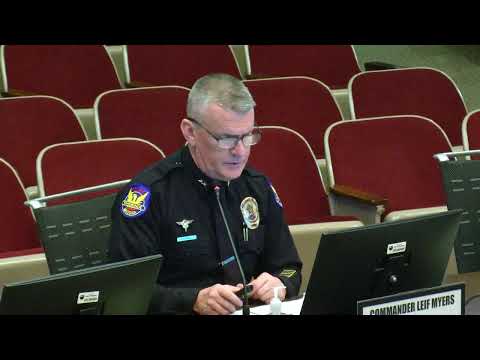
City responses and data cited at the meeting Subcommittee members then discussed fire/EMS response times in the context of other agenda items. Fire and emergency medical services leaders and staff said the city has taken steps — adding two rescues (Rescue 45 and Rescue 49) to District 2, targeted deployment changes, and reallocated resources — intended to reduce district response times. Attendees cited a January 2025 district-level 9-1-1 response time number for District 2 of 10 minutes, 54 seconds (9,54 on the presentation at that moment), which city staff said will continue to be tracked month to month.

Why the discussion continues Council members said the district-level differences in call volume and response times (and in some cases the number of medical or altered-level-of-consciousness calls) require more analysis and cross-agency study. Subcommittee members asked the fire department and city analysts to take additional steps with county partners to better understand why some council districts show higher call volumes for certain medical categories and to report back with district-by-district explanations.

Ending note Officials said they will continue tracking rescue impacts, work with county partners to analyze call types and volumes by district, and provide the subcommittee with more frequent district-level reports. A formal request was made for a broader study of why call volume and response times differ among council districts.