Get Full Government Meeting Transcripts, Videos, & Alerts Forever!
Get email alerts on the District Finance topic
No spam. Unsubscribe anytime.
Shippensburg Area SD finance team reports modest surplus, flags cyber-charter and personnel pressures
Summary
District business staff reported a roughly $590,000 surplus for fiscal 2023–24, a healthy fund balance and room in debt service, but warned rising cyber‑charter costs, enrollment growth and unfunded mandates could squeeze next year’s budget; staff will return March 10 with firmer projections.
Caleb Barwin, a district staff member, told the Shippensburg Area School District finance and budget committee on Feb. 24 that the district ended fiscal 2023–24 approximately $590,000 in surplus and carried a general fund balance of about $17.2 million as of June 30, 2024.
Barwin said the district’s unassigned general fund balance was about $2.3 million and noted Pennsylvania policy limits unassigned balances to 8 percent of the budget; the district’s 2024–25 expenditures are budgeted at roughly $71.5 million. He also reviewed the capital projects reserve (about $255,000 as of January) and recommended considering moving planned capital items into that reserve so the general fund better reflects operating needs.
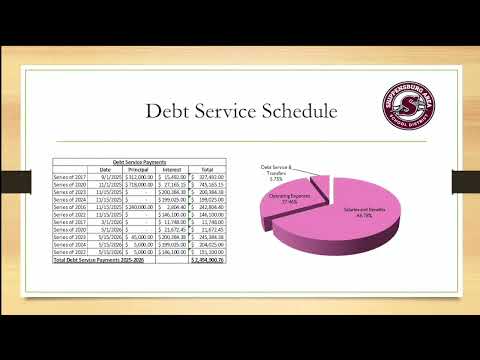
The presentation reviewed debt-service schedules for next year, showing about $2.5 million in scheduled payments and a budgeted debt-service figure of approximately $3.6 million for 2025–26 (Barwin said the larger budget line provides headroom if the district borrows again). He noted two bond issues (2017 and 2020) still receive PlanCon reimbursement from the state—about $250,000 total—while a 2016 series matures next year and will fall off the schedule.
Barwin reviewed the governor’s recent budget proposal and federal uncertainty, saying the administration’s “basic education and special education” lines would at most increase about 1 percent under the draft proposal. He described that as “frustrating” compared with last year’s outcomes, and cautioned the governor’s proposed increases are preliminary and subject to negotiation.
Cyber‑charter impacts drew extended attention. Barwin said the district received an unbudgeted cyber‑charter reimbursement this school year of roughly $230,000 but the governor’s proposal contains no ongoing cyber reimbursement. Cyber charter enrollment as of Feb. 18 was 253 students (177 regular‑education, 76 special‑education), and the district’s special‑education tuition rate paid to cyber providers fell from roughly $29,000 (July–Dec) to about $26,000 beginning Jan. 1 under a changed state formula. Barwin showed a multi‑year chart documenting cyber‑charter expense increases and said those costs are hard to predict because they depend on student movement.
Barwin closed by reviewing a trimmed personnel request list of 10 positions the administration classifies as “must haves,” including an elementary teacher, music teacher, a business/financial‑literacy teacher for new state curriculum requirements, converted secretarial positions (part‑time to full‑time) at the middle and high schools, expanded special‑education staff (including a special‑education coach and speech‑language pathologist), and an aquatics teacher and aide. He said some positions are upgrades from contracted or supplemental arrangements and that bringing certain services in‑house could save money when caseloads are high.
The committee heard questions from board members about federal‑title funding vulnerability and pending PCCD grant continuations; Barwin said the district depends on about $1.7 million in federal title funds and several PCCD grants that are uncertain heading into the next budget year. He and board members agreed staff will return at a March 10 meeting with firmer revenue/expense projections and scenarios for possible tax-index increases and personnel tradeoffs.
Ending: The finance presentation closed with a list of cost drivers—medical premium increases (estimated ~10 percent), cyber‑charter costs, enrollment growth that drives personnel needs, transportation increases and outside special‑education placements—and a timeline for the proposed, proposed‑final and final budget actions in April and June.