Get Full Government Meeting Transcripts, Videos, & Alerts Forever!
Get email alerts on the Procurement Bafo topic
No spam. Unsubscribe anytime.
Committee allows agencies to use BAFO to clarify RFP terms and accept revised offers
Summary
The committee approved a change to procurement law allowing agencies to request best-and-final offers (BAFOs) when a solicitation term needs clarifying, letting reasonably susceptible vendors revise proposals and be rescored; safeguards and confidentiality were discussed.
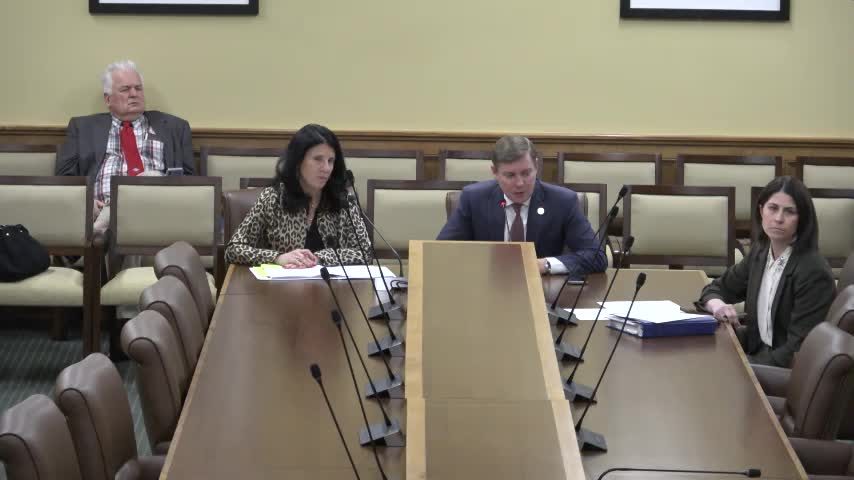
Jessica Patterson, director of the Office of State Procurement, told the committee that Senate Bill 165 would allow an agency to request a BAFO when a solicitation term or requirement proves unclear during discussions with the highest-ranked offeror(s). The change permits vendors deemed reasonably susceptible of award to revise proposals in light of an official clarification and then be rescored.
Nut graf: The sponsor and procurement staff said the change is intended to avoid restarting complex solicitations when a drafting ambiguity is discovered after proposals are submitted. Under current practice, Patterson said, a needed clarification can force an agency to cancel and reissue an RFP; the bill would allow the agency to clarify the term and request updated best-and-final offers from eligible vendors.
Committee members pressed for details about confidentiality, competitive fairness and how vendors would be chosen to receive the clarification. Representative Rollins asked how agencies determine which proposals are “reasonably susceptible of being awarded” and how the BAFO might affect final rankings. Patterson said vendors who failed to meet minimum requirements would not be eligible for BAFO; the BAFO respondents would be rescored and rankings may change.
Representative Rouse asked what would happen if scores or proposals were leaked. Patterson said the protest process remains available after award and that her office would cancel a solicitation if confidentiality were compromised. Several contractors initially raised concerns that BAFO revisions could expose competing proposals; Patterson and committee members said the BAFO process does not make proposals available to other offerors and that only clarification and an opportunity to revise would be provided.
Ending: The committee voted to pass the change. Patterson and members agreed to monitor implementation and the Office of State Procurement said it would follow procurement rules, attempt to get multiple bids where practicable and cancel a solicitation if evidence of a leak or improper disclosure emerged.