Get Full Government Meeting Transcripts, Videos, & Alerts Forever!
School board work session focuses on FY26 budget: health insurance shortfall, class-size tradeoffs and North Star College
Summary
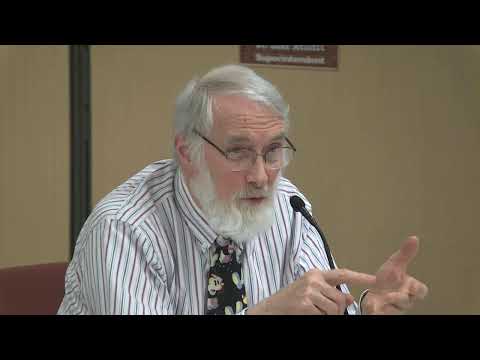
Fairbanks North Star Borough School District administrators and board members spent a work session reviewing the proposed FY26 budget and scenario options, focusing on an increase in the district's benefit rate to shore up its risk fund, and a range of trade-offs for class sizes, program funding and transportation.
Fairbanks North Star Borough School District administrators and board members spent a work session reviewing the proposed FY26 budget and scenario options, focusing on an increase in the district's benefit rate to shore up its risk fund, potential restorations to classroom staffing and the future of programs such as North Star College and transportation subsidies.
The discussion centered on the district's health-insurance risk fund and the percentage charged to each dollar of salary, a formula the administration calls the "benefit rate." Mr. DeGraw, district staff presenter, explained that the risk fund "is really the most important metric here in my opinion. It's really the measuring stick or the gauge" of whether the benefit rate is generating enough revenue to cover claims. He said the district has carried volatile balances over the past decade, briefly reaching multi-million-dollar highs after plan redesigns and later drawing down; administration reinstated an additional charge to bring the fund balance back to about $3,000,000 at the end of FY24 after a recent drop.
Why it matters: administrators said annual claims moving through the risk fund can range widely and that a typical annual transaction rate is roughly $35 million to $40 million, which supports holding roughly 5 to 10 percent of that ($3 million to $4 million) as a fund balance. Board discussion tied those numbers to the proposed benefit-rate change for FY26 and to contract negotiations over how costs are split between employers and employees.
Administration's explanation and board questions Mr. DeGraw walked the board through a 12-year benefits-rate history and the related risk-fund ending balances. He described a 2017 plan redesign that produced unusually large savings and allowed the district to reduce the benefit rate at that time; later years of higher claims and a reduction in inflows left the fund near $1 million before the administration charged the general fund to restore the…
Already have an account? Log in
Subscribe to keep reading
Unlock the rest of this article — and every article on Citizen Portal.
- Unlimited articles
- AI-powered breakdowns of topics, speakers, decisions, and budgets
- Instant alerts when your location has a new meeting
- Follow topics and more locations
- 1,000 AI Insights / month, plus AI Chat