Get Full Government Meeting Transcripts, Videos, & Alerts Forever!
Get email alerts on the Local Infrastructure Finance topic
No spam. Unsubscribe anytime.
Bill would let public facilities districts include parts of a county defined by school-district boundaries to enable rural recreation centers
Summary
House Bill 10‑37 would allow public facilities districts to be formed using city/town boundaries plus selected school‑district boundaries so a district can include part — not all — of a county, enabling rural communities to form PFDs for projects such as recreation centers.
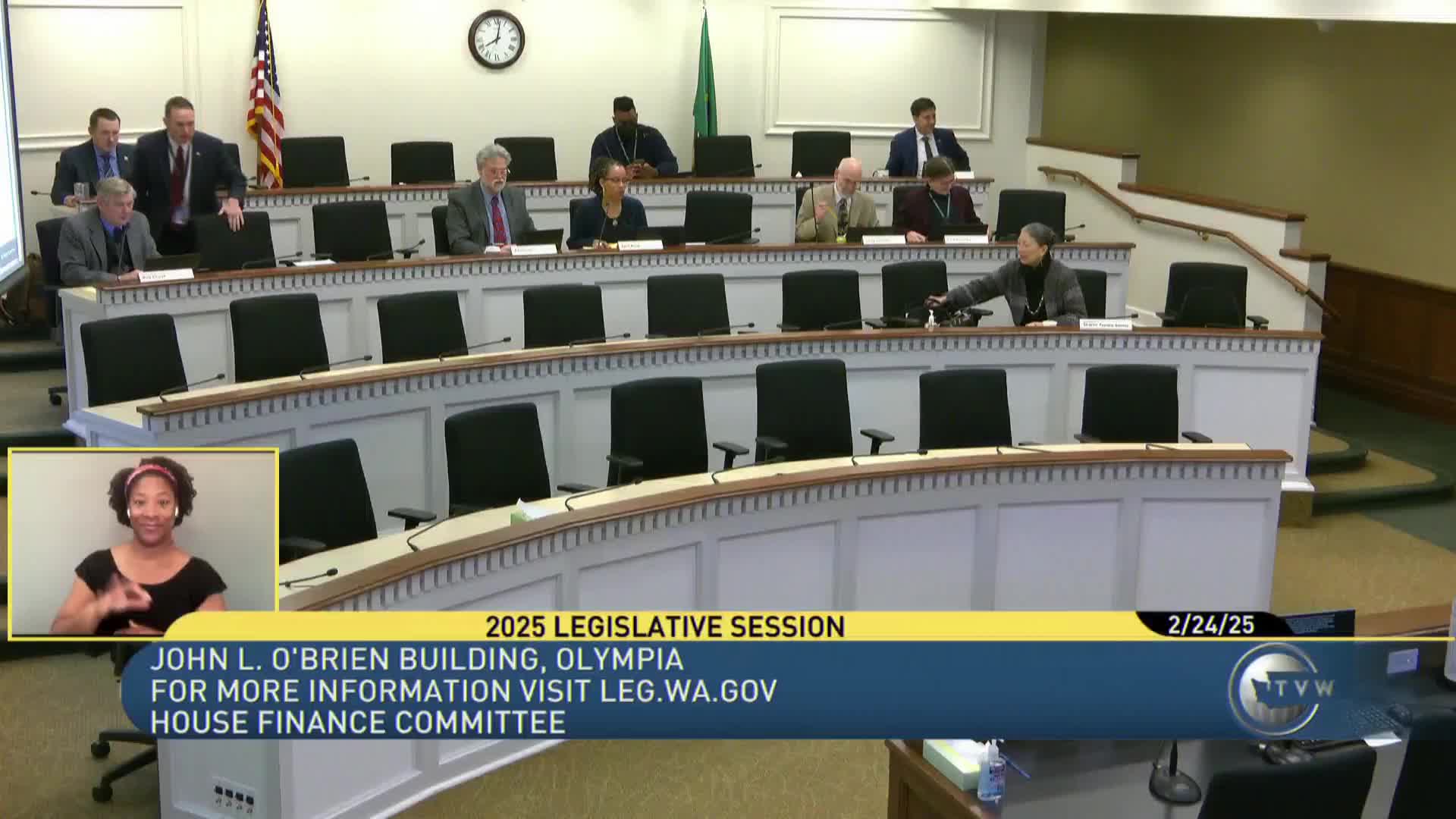
House Bill 10‑37 would modify the law governing public facilities districts so that a district could be formed that is coextensive with the boundaries of participating towns and cities plus selected school‑district boundaries within a county, allowing PFDs that include part — but not all — of a county, according to a staff briefing and testimony in the House Finance Committee on Feb. 24.
Committee staff described the change as allowing a district to include less than all of a county’s unincorporated areas by using city/town boundaries together with the boundaries of school districts selected for inclusion. The bill requires a governing board of at least seven directors and, when a county participates, designates the county treasurer of the county where the largest portion of the district is located to serve as ex officio district treasurer unless the board selects another qualified treasurer.
The Department of Revenue staff noted the change would increase administrative complexity because current PFD boundaries follow city, town and county lines, while the bill would overlay school district boundaries on to excise‑tax areas and require additional GIS mapping and programming; DOR estimated initial system costs and longer‑term compliance efforts and requested further conversations on narrowing the scope of the bill.
Sponsor testimony and local advocates said the bill responds to a practical problem in geographically and culturally divided counties such as Kittitas, where islanded communities in Upper Kittitas County want to raise revenue to build a community recreation center that would serve seniors, youth and the broader community. Tom Denen (spoke as Representative Dent in the hearing) and multiple mayors, school and nonprofit leaders testified that a PFD that excludes lower‑county voters could allow local residents to raise sales and lodging tax revenues and lodging tax revenue tied to tourism that benefits Upper County.
Local officials said the PFD would enable financing for an indoor recreation facility that would replace a facility lost to arson in Ellensburg and address barriers to year‑round access in rural, winter‑impacted communities. Department of Revenue witnesses and some stakeholders noted the need to minimize the number of new tax‑code areas and suggested potential amendments to limit complexity.
Ending: Proponents described the bill as a locally driven fix to expand financing options for rural recreational and community facilities; DOR cautioned about administrative complexity and estimated IT and mapping costs, and stakeholders signaled willingness to negotiate narrower language to reduce that burden.