Get Full Government Meeting Transcripts, Videos, & Alerts Forever!
Get email alerts on the Tax Policy topic
No spam. Unsubscribe anytime.
House moves to align clean-energy tax credit duration with Senate; bill passes after floor fight
Summary
Representatives debated first-substitute House Bill 2 64, a tax-incentives measure that shortens clean-energy tax credit durations. A substitute motion to concur with Senate amendments passed and the bill passed the House 59-13.
Representative Kristofferson opened discussion on first-substitute House Bill 2 64, a bill amending tax incentives for clean energy credits. He described negotiations around the length of incentives and said he had previously negotiated for a 10-year duration with industry representatives; Senate amendments proposed a five-year duration. “I had worked with the representatives to come up with a—And I'll go with the will of the body,” Kristofferson said, explaining he would accept the chamber’s decision.
Representative Thurston moved a substitute motion to concur with the Senate amendments, arguing that 10 years was too long and that shorter credits would reduce costs to the state. Representative Snyder supported the substitute motion, saying the Senate change would save the state about $100 million in solar tax credits and urging colleagues to “concur with the Senate.” Representative Thurston reiterated that the change would curb what he described as “corporate welfare.”
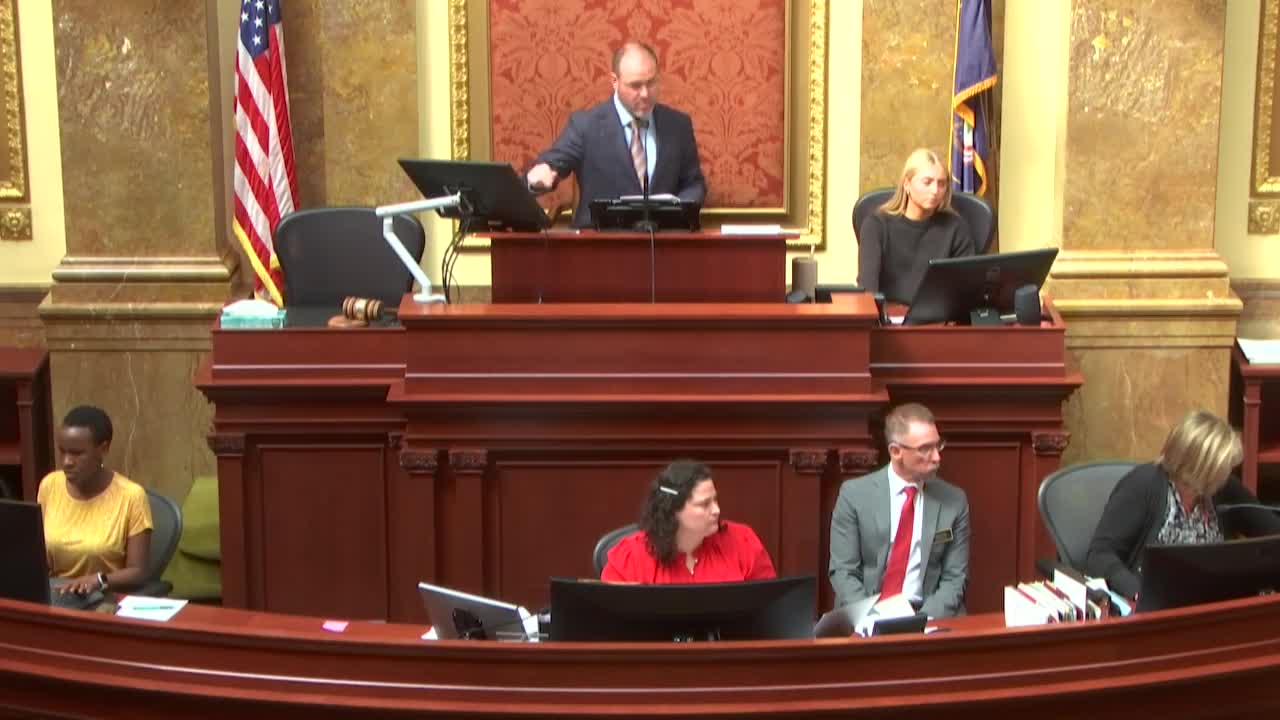
After discussion and a period of debate, the House adopted the substitute motion to concur with the Senate amendments. The clerk recorded a final tally of 59 yes and 13 no; the speaker announced the bill passed the House and would be sent to the Senate for the president’s signature.
The primary substantive issue on the floor was the statutory duration for the clean-energy tax credits—sponsors and supporters said shortening the credits would reduce future state tax expenditures; opponents argued for longer-term incentives to promote industry stability. The House’s action aligns the chamber with the Senate amendment on the duration question and sends the first-substitute HB 2 64 on to the Senate.