Get Full Government Meeting Transcripts, Videos, & Alerts Forever!
Get email alerts on the Recreation Club Liability topic
No spam. Unsubscribe anytime.
Committee backs bill shielding nonprofit recreation clubs and volunteers from most liability
Summary
House Bill 81 would limit liability for organized nonprofit recreation clubs, their officers and unpaid volunteers for injuries arising from recreational activities, except for gross negligence, intentional wrongdoing or harm caused by equipment the club supplies. The committee voted to send the bill to the House floor with a due pass.
Representative Charlie Shepherd (R‑District 7) presented House Bill 81, which the sponsor described as intended to protect nonprofit recreation clubs, their directors and volunteers from lawsuits arising from inherent risks of recreational activities.
David Clayborn of Sawtooth Law Offices, representing the Idaho Recreation Council and the Idaho State ATV Association, told the committee the bill applies to officially organized nonprofit clubs, uses the recreational‑activity definition aligned with the recreational‑trespass statute and excludes activities where a fee (beyond membership dues) is charged. “The bill seeks to recognize the inherent risks of recreation that all participants assume,” he said, and the protections would not apply to gross negligence, reckless or intentional acts or where a club supplied the equipment that directly caused the injury.
Committee members asked how the proposal differs from waivers and whether the bill affects activities such as daycare on club premises. Clayborn said waivers are imperfect and courts do not always enforce them; a statute provides broader, clearer protection. He told the panel that charging an activity fee would disqualify the event from the statutory immunity and that intentional criminal acts (for example, assault) are explicitly excluded from the immunity.
Barbara Jordan, representing the Idaho Trial Lawyers Association, said the association asked sponsors to remove two sentences on page 2 (lines 38–41 in the bill text) that she said would eliminate a club’s common‑law duty to warn other club members of dangers they know about. She said the bill is generally well drafted but requested that the committee consider that change.
Kate Hawes, a founding member of a volunteer running club, testified in favor and said the bill would protect clubs when new participants have not signed waivers.
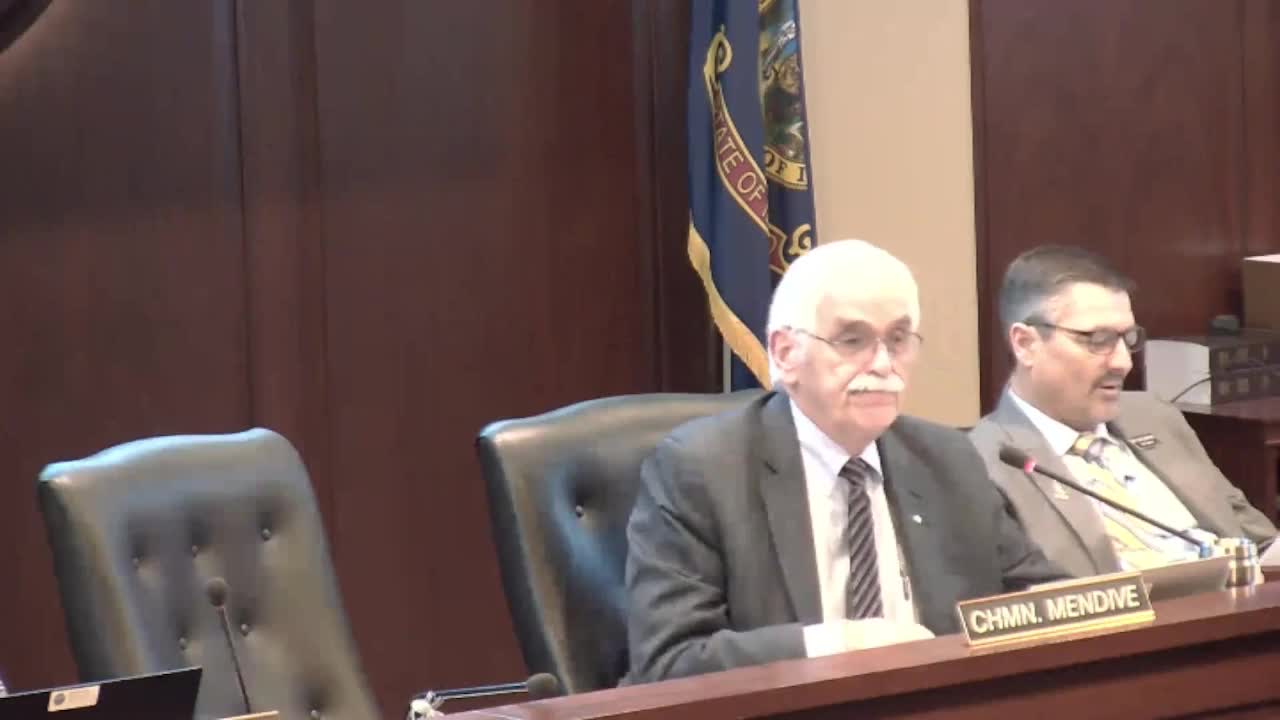
The committee voted to send House Bill 81 to the House floor with a due pass recommendation by voice vote; the chair announced the ayes carried.
Ending: The bill advances to the House floor. Committee discussion highlighted the balance sponsors sought between encouraging volunteer recreation organizations and preserving remedies when conduct is intentional or grossly negligent.