Get Full Government Meeting Transcripts, Videos, & Alerts Forever!
Get email alerts on the Public Safety topic
No spam. Unsubscribe anytime.
Idaho committee backs making physical injury during riots a felony; debate centers on scope
Summary
The House Judiciary, Rules and Administration Committee voted to send House Bill 125 to the floor with a due-pass recommendation after law-enforcement testimony urged felony penalties when multiple people cause physical injury during riots or large fights.
House Judiciary, Rules and Administration Committee members voted to send House Bill 125 to the floor with a due-pass recommendation after a lengthy discussion about whether Idaho’s riot statute should include physical injury as a felony element.
The bill’s sponsor, Representative Jaren Crane, introduced the measure as “a simple clean up of current statutes,” saying Title 18, Chapter 64 assigns felony penalties for property damage but currently lacks a felony provision for physical injury in the same section. Crane turned much of the hearing over to Detective Corporal Matthew Richardson of the Nampa Police Department to explain how the change would be used.
“Once I started utilizing it, I noticed that the part of, some sort of punishment for physical injury was missing in the code,” Detective Richardson told the committee. He described situations where large fights — “anywhere from 10, 15, 20 people” — make it difficult to identify individual offenders and where victims, particularly gang members, refuse to cooperate. He cited a 2021 stabbing at a Buffalo Wild Wings in Nampa and a separate bar fight that left a woman with a brain injury; in those cases, he said, prosecutors had limited charging options absent property damage or a willing victim.
Lieutenant Jason Cantrell of the Nampa Police Department, who said he has worked as a gang detective for 24 years, also testified the change would help investigators charge participants who join multi-person violent altercations. “We’re looking for the actual people that are getting involved with any type of the altercation,” Cantrell said, adding the proposal is aimed at multi‑person incidents rather than one‑on‑one fights.
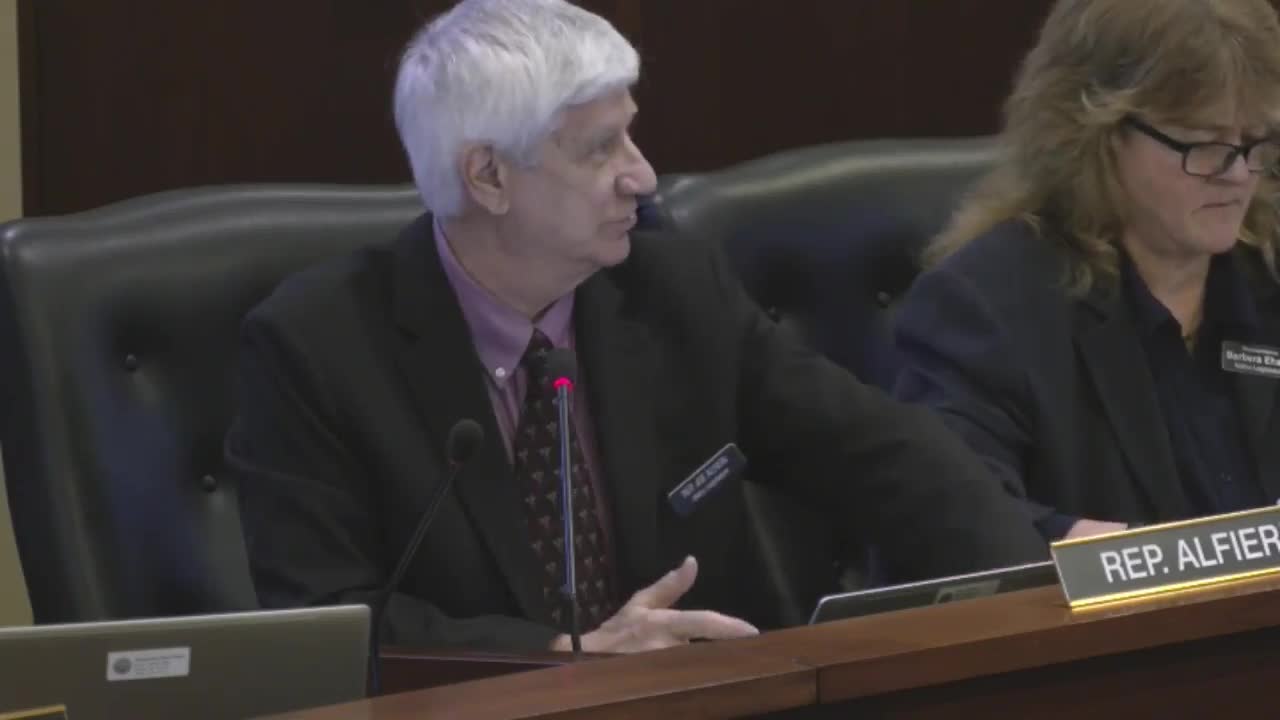
Committee members pressed on scope and safeguards. Representative Scott warned of the risk that political rallies or peaceful protests could be ensnared if the statute is too broad, asking how officers would avoid charging peaceful protesters when a visible injury is alleged. Detective Richardson replied that charging decisions remain subject to officer discretion and prosecutors’ assessment and that, in his view, “physical injury is gonna be something that is visible. A bloody nose, a black eye, a cut.” Representative Ehart and others urged narrowing the language to avoid “scooping up too many people.” Representative Schertz, drawing on the existing statute’s definitions, said the riot statute requires persons “acting together,” which he viewed as an important limiting principle.
Representative Mathias moved the committee’s due-pass recommendation. Representative Scott offered a substitute motion to send the bill to general orders to tighten the language; that substitute failed on a roll call vote. The committee then approved the original motion to send HB125 to the floor with a due-pass recommendation; the roll-call tally recorded in the hearing was 12 yes, 3 no.
The committee record shows supporters framed the change as giving prosecutors a charging option when multiple participants are involved in violent group incidents and when victims will not cooperate; skeptics warned the provision could apply too broadly without clarifying definitions, evidentiary thresholds, or prosecutorial guidelines.
The committee returned HB125 to the House floor with the due-pass recommendation and moved on to other bills.
Notes on process and next steps: the vote to send HB125 to the floor was a committee recommendation only; any statutory definitions or limiting language would need to be addressed in subsequent floor debate or by amendment.