Get Full Government Meeting Transcripts, Videos, & Alerts Forever!
Get email alerts on the Tlt Wildlife Fund topic
No spam. Unsubscribe anytime.
Lawmakers Hear Divided Testimony on Bill to Direct Lodging‑Tax Dollars to Wildlife Conservation
Summary
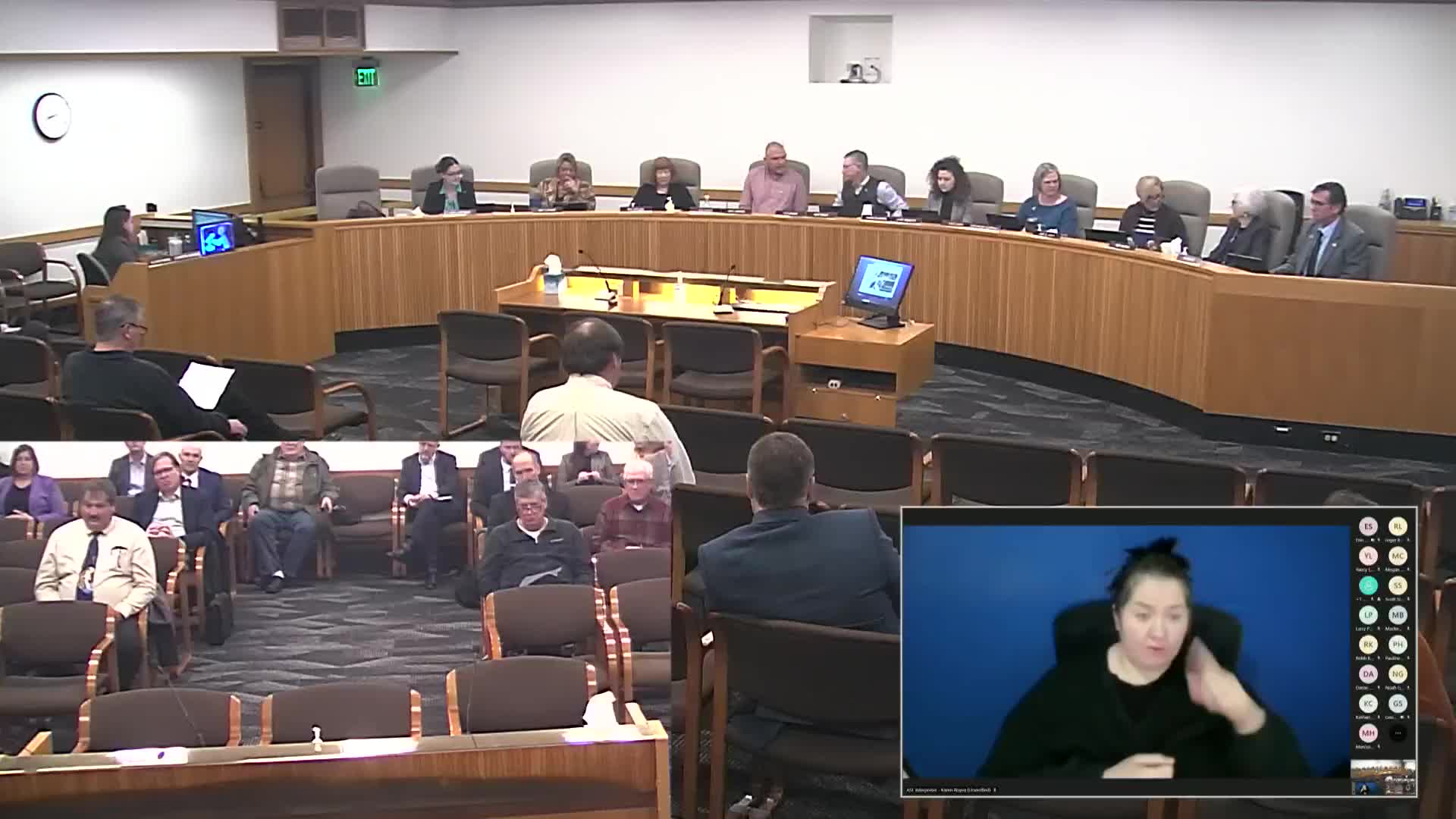
SALEM, Ore. — The House Committee on Agriculture, Land Use, Natural Resources, and Water held an extended public hearing Feb. 21 on House Bill 2,977, a proposal to increase the statewide transient lodging tax (TLT) by 1 percentage point and direct the revenue to state wildlife conservation and species recovery work.
SALEM, Ore. — The House Committee on Agriculture, Land Use, Natural Resources, and Water held an extended public hearing Feb. 21 on House Bill 2,977, a proposal to increase the statewide transient lodging tax (TLT) by 1 percentage point and direct the revenue to state wildlife conservation and species recovery work.
Proponents, including conservation groups and some outdoor businesses, urged the committee to adopt a modest, dedicated funding source for Oregon’s State Wildlife Action Plan. Opponents from the hospitality and destination marketing sectors said raising the TLT would make Oregon less competitive for conventions and group business and would siphon locally controlled revenue to the state.
What HB 2,977 would do
The bill would raise the statewide transient lodging tax from the current 1.5 percent to 2.5 percent (a 1 percentage‑point increase) and dedicate the additional revenue to the Oregon Conservation and State Wildlife Action Plan implementation fund. Supporters framed the tax as a user‑pay approach because many visitors travel to Oregon to experience its wildlife and natural areas.
Supporters’ case
Davia Palmeri of the Oregon Department of Fish and Wildlife summarized the science and the need, saying Oregon is updating the state wildlife action plan and that the plan is “all about keeping our common species common.” Testimony from conservation groups stressed that the plan will identify hundreds of species in need of either conservation action or additional information; Palmeri said staff and partners expect to add more than 70 species to the “species of greatest conservation need” list in the 2026 update.
Daniel Mosher with Oregon Wild said sustained, dedicated funding is required because the agency’s general‑fund support has been inconsistent: “Safeguarding species early…is considerably more cost effective than waiting until they're imperiled or worse on the brink of extinction.” Tristan Henry of the Theodore Roosevelt Conservation Partnership and other sportsmen’s groups also supported the bill as a way to broaden funding beyond hunters and anglers.
Opponents’ concerns
Representatives of the lodging industry and destination marketing organizations argued the TLT increase would make Oregon less competitive for conventions and special events. Bill Perry of the Oregon Restaurant and Lodging Association said the statewide lodging tax is already used repeatedly for new requests and warned the bill would further burden a single revenue source. Megan Conway of Travel Portland and Samara Phelps of Travel Lane County said higher statewide rates would make it harder to win conventions and large events and would reduce funds available to local destination programs that promote shoulder‑season visitation.
Many business witnesses requested alternate funding approaches or urged the state to avoid reducing local flexibility. Several lodging operators and destination managers said their regions have not fully recovered pre‑pandemic occupancy and that group business is price sensitive.
Fiscal and policy context
Proponents pointed to the economic value of Oregon’s outdoor and wildlife assets and to the potential for a state conservation fund to leverage federal matches such as Recovering America’s Wildlife Fund. Tristan Henry described the increase as modest and noted that out‑of‑state visitors pay a substantial share of lodging tax receipts; Colin Reynolds of Defenders of Wildlife noted research showing the statewide lodging tax was established in 2003 to fund tourism promotion and argued a conservation nexus is consistent with that purpose.
Process and next steps
The committee opened and then closed the public hearing on HB 2,977; no committee vote was recorded during the session. Lawmakers said the written record would remain open for 48 hours.
Ending
Testimony was sharply divided: conservation groups and many recreational stakeholders urged a steady, dedicated funding source to prevent further species declines, while lodging operators and destination marketers warned an added statewide lodging tax would harm competitiveness and local destination development.