Get Full Government Meeting Transcripts, Videos, & Alerts Forever!
Get email alerts on the Enterprise Zones topic
No spam. Unsubscribe anytime.
Bill to tighten enterprise-zone reporting moves forward; Business Oregon, assessors and advocates debate scope
Summary
House Bill 2,351 would tighten and standardize reporting for enterprise-zone tax exemptions, require an interagency agreement between Business Oregon and the Department of Revenue, and expand the types of information captured in annual reports from zone sponsors and participating businesses.
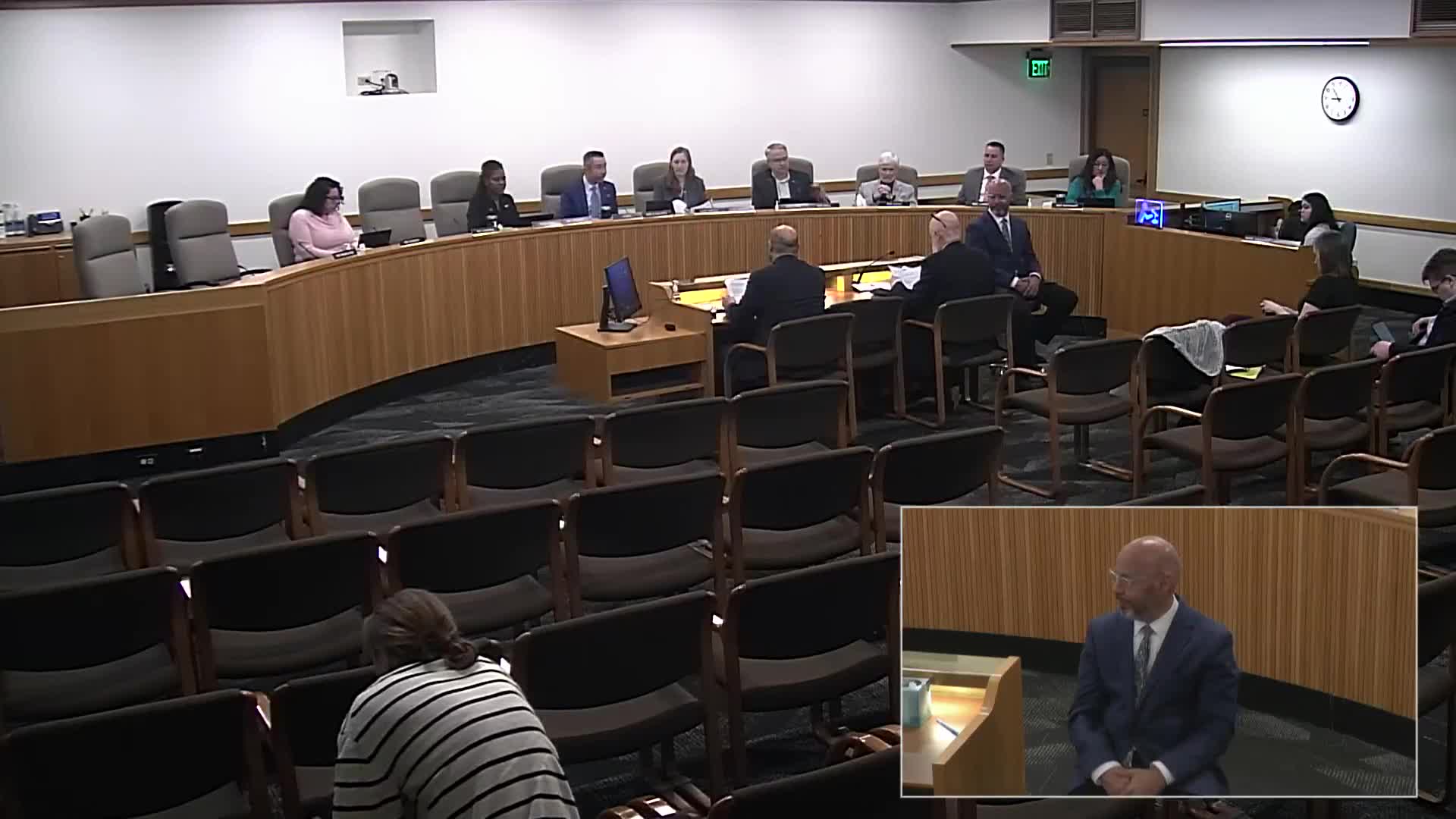
House Bill 2,351 received a public hearing Feb. 24 before the House Committee on Economic Development and Small Business and Trade. The bill would update reporting requirements related to Oregon’s enterprise-zone programs, establish clearer responsibilities for data sharing between Business Oregon and the Department of Revenue, and expand the information required from zone sponsors and participating businesses.
Art Fish and Michael Held of Business Oregon told the committee the bill builds on a transparency study the agency completed after House Bill 2009 (2023). Key provisions include clarifying that certain business financial statements are confidential, updating timelines and formats for reporting, allowing DOR to securely communicate exempt-property data to Business Oregon, and creating a process for sponsors of long-term rural enterprise zones to provide hiring and exempt property information to the state. The posted -1 amendment adds language clarifying that DOR assistance may include technical expertise and existing data but cannot require county assessors to reappraise property tax accounts, and it requires the two agencies to enter an interagency agreement within 90 days of the bill’s effective date.
Business Oregon described ongoing operational challenges: standard enterprise‑zone reporting has improved but long‑term (7–15 year) enterprise‑zone data remain inconsistent or incomplete. Fish said the bill largely codifies current best practices and aims to improve the quality and consistency of public reporting without imposing significant new workload.
Tax Fairness Oregon supporter Jody Weiser urged stronger disclosure, recommending that reports also include fees and payments required by local agreements (fees-in-lieu or community service payments), full investment-to-date figures, and consistent job metrics using full‑time‑equivalent (FTE) calculations (hours worked divided by 2,080). Weiser told the committee that including such items would give the public a clearer sense of net subsidy and job quality, not just headline tax exemptions.
Some committee members noted concerns raised by county assessors about workload and communication. Agency witnesses said they have consulted assessors over multiple biennia and expect the bill’s changes to be implemented with limited net fiscal impact, partly by relying on DOR and zone sponsors for standardized reporting and by clarifying practices that already occur in many counties. No vote was taken at this hearing; the committee closed the public hearing with agency witnesses available for follow-up questions.