Get Full Government Meeting Transcripts, Videos, & Alerts Forever!
Get email alerts on the Odfw Fee Bill topic
No spam. Unsubscribe anytime.
Committee Hears ODFW Fee Bill, Supporters Say Increases Needed to Sustain Hatcheries, Enforcement and Science
Summary
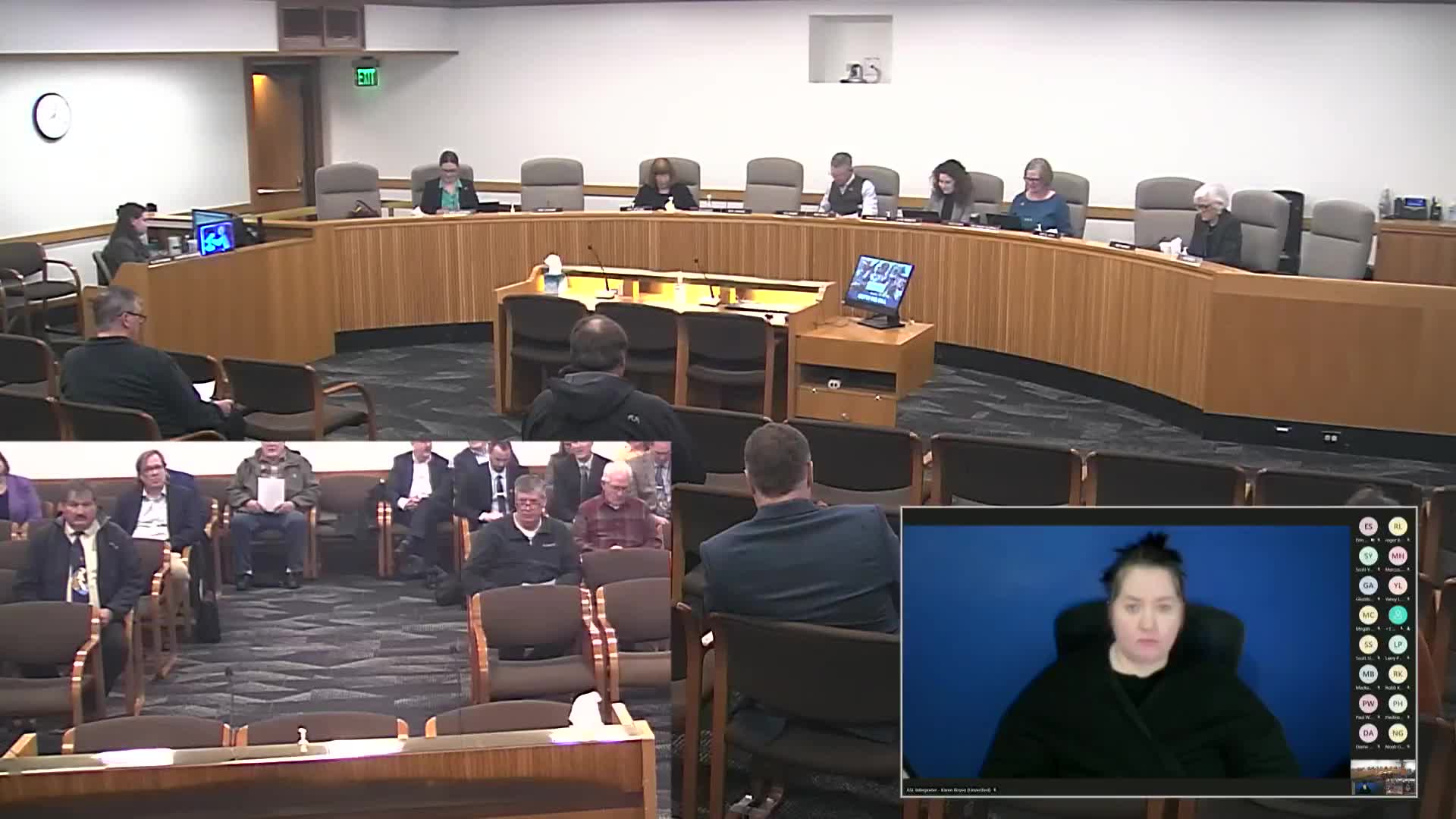
SALEM, Ore. — The House Committee on Agriculture, Land Use, Natural Resources, and Water heard public testimony Feb. 21 on House Bill 2,342, the Oregon Department of Fish and Wildlife’s biennial fee bill, with agency leaders and stakeholders urging lawmakers to approve modest, phased increases to hunting, fishing and commercial fees.
SALEM, Ore. — The House Committee on Agriculture, Land Use, Natural Resources, and Water heard public testimony Feb. 21 on House Bill 2,342, the Oregon Department of Fish and Wildlife’s biennial fee bill, with agency leaders and stakeholders urging lawmakers to approve modest, phased increases to hunting, fishing and commercial fees.
The bill would adjust scores of statutorily set ODFW license and permit fees beginning in 2026; the department told the committee the increases are intended to sustain core programs rather than expand them.
ODFW Director Debbie Colbert told the committee, “This is a very critical bill for the agency,” and said revenue from license sales, combined with federal excise apportionments, funds fish hatcheries, district biologists, habitat restoration, fish passage work and enforcement. Deputy Director Sean Clements said, “I just want to be clear, this is about sustaining core programs, not about growing the department.”
Why it matters
ODFW officials said license and commercial fees historically have funded roughly half of the agency’s budget; with recent federal grants that share has declined to about 40 percent. The department noted federal excise taxes on gear and ammunition — distributed nationally under programs such as Pittman-Robertson and Dingell-Johnson — produce significant matching dollars for Oregon. Colbert and Clements told the committee those combined sources support hatcheries, enforcement through the Oregon State Police Fish and Wildlife Division, and biologists who monitor populations and restore habitat.
Department proposal and public feedback
Clements said the agency follows an approximately six‑year review cycle and that the last comprehensive fee adjustment was in 2015; rising costs and unusual recent pressures have put expenditures ahead of revenues. The department’s proposal would phase increases so they begin in 2026: roughly a 14 percent increase broadly for fishing products and about a 12 percent increase for hunting products in the first year, then smaller increases later in the decade. The department told lawmakers it would hold youth license pricing steady to support recruitment.
Stakeholder testimony
Representatives of sporting, guide and conservation groups generally supported the bill but urged targeted outcomes or additional state support. Jim Muck of the Oregon Anglers Alliance emphasized monitoring and hatchery funding for salmonids. Tristan Henry of the Theodore Roosevelt Conservation Partnership said the fee cycle has been overdue: “It’s been 10 years since the last comprehensive, fee bill.” Bob Reese of the Northwest Guides and Anglers Association testified the agency is "grossly understaffed for the jobs they are tasked to do." Dave Shamp of CCA Oregon said sportsmen were neutral in early review but urged the legislature to pair fee increases with state investments and policy changes so customers “pay more and get less” is not the result.
Several speakers highlighted the economic link between fish and wildlife and rural communities. Colbert cited department figures saying commercial fishing contributes nearly $600 million and recreational angling nearly $400 million in direct spending; combined wildlife‑related economic activity, she said, approaches $2 billion.
Concerns and conditions
Some witnesses urged that fee revenue not be the sole source of funding for ODFW’s expanding responsibilities. Amy Patrick of the Oregon Hunters Association said hunters and anglers are prepared to help, but she warned of proposed general fund cuts that would reduce enforcement FTEs and weaken anti‑poaching efforts. Several stakeholders asked the legislature to maintain or increase state general‑fund support so license payers do not shoulder disproportionate burdens.
What the bill would change (high‑level)
- Phase one (2026): general 14% increase on fish products, 12% on hunting products (department projection). - Later years: smaller additional increases (examples cited: 6% on fish products and 8% on hunting products in 2030 in department presentation). - Youth license prices would be held at current low levels; Pioneer license proposed to increase from $6 to $10.
Process and next steps
The committee opened and closed a public hearing on HB 2,342; no committee vote was recorded during the hearing. ODFW staff and several stakeholder organizations said they would submit written testimony and remain available as the bill moves through the legislative process.
Ending
Supporters and ODFW officials framed HB 2,342 as a targeted, incremental approach to prevent program cuts that would affect hatcheries, enforcement and habitat work; several witnesses urged pairing fee increases with state funds and policy actions to stabilize the agency’s long‑term finances.