Get Full Government Meeting Transcripts, Videos, & Alerts Forever!
Get email alerts on the Aging Services topic
No spam. Unsubscribe anytime.
Commission on Aging details ARPA spending, requests small ongoing increase for FY2026
Summary
The Idaho Commission on Aging told the Joint Finance-Appropriations Committee it used ARPA funds for one-time service and modernization projects and seeks modest ongoing general-fund increases for FY2026 while asking to draw remaining ARPA funds before they expire on Sept. 30, 2025.
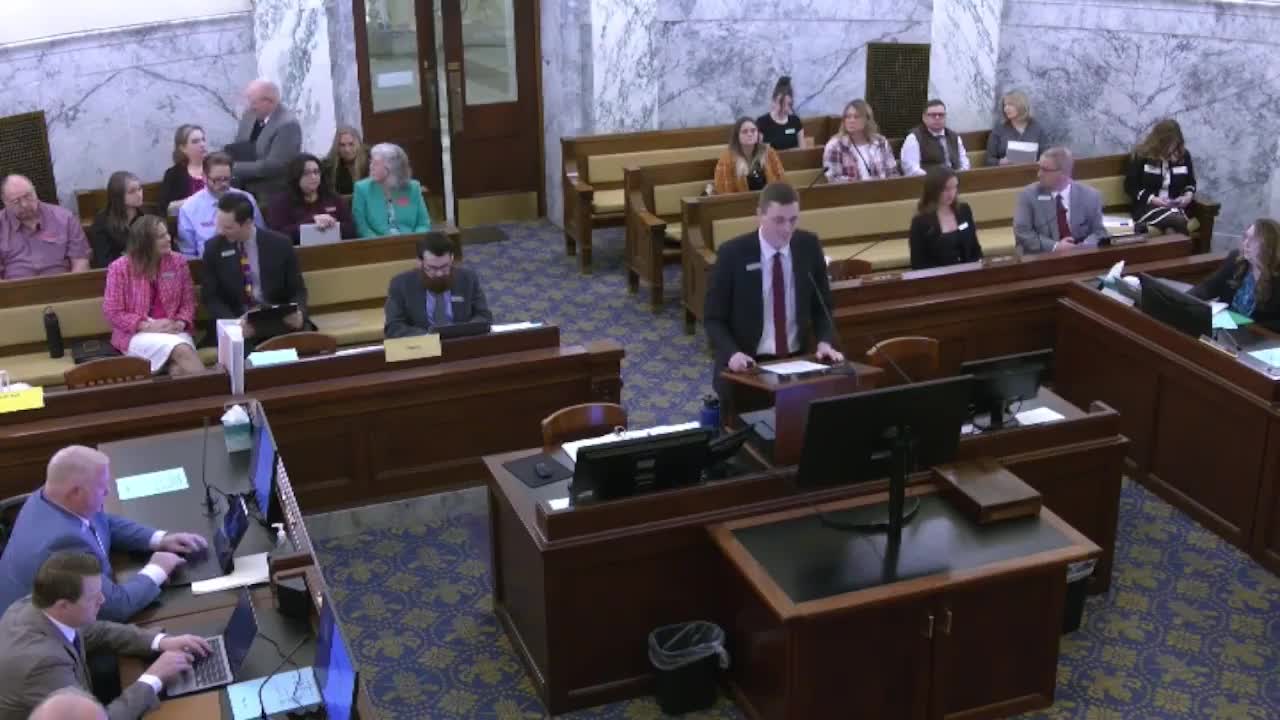
The Idaho Commission on Aging told the Joint Finance-Appropriations Committee on Feb. 24 that it has used federal American Rescue Plan Act funds for one-time modernization projects and direct services, and is asking for modest ongoing general-fund increases for fiscal 2026.
Colin McGurkin, budget and policy analyst with Legislative Services, told the committee the commission “implements the Federal Older Americans Act and Idaho Senior Services Act” and that its services are delivered through six local Area Agencies on Aging (AAAs). McGurkin said the agency spent about $16.7 million in FY2024, with roughly 88% of that in trustee and benefit payments to local AAAs for direct services such as meals, transportation and caregiver support.
Why it matters: The commission is managing significant one-time federal awards while trying not to rely on those funds for ongoing services. Committee members pressed staff on which programs would stop when ARPA funds expire and on the commission’s staffing and expenditure patterns.
McGurkin outlined a pattern of annual one-time federal appropriations tied to ARPA funds, noting roughly $7.4 million in ARPA-related expenditures from FY2022–FY2024. For FY2025 the commission requested $1.8 million in one-time ARPA draws to use remaining ARPA balances before the Sept. 30, 2025 deadline. He also said the agency requested $500,000 in one-time federal funds to pay final invoices and draw down ARPA funds, with $450,000 earmarked for AAAs and $50,000 for staff time and operating expenses.
Director Judy Taylor, who appeared in her capacity as the commission’s director, said the agency followed state guidance to use one-time money only for one-time needs and enhancements. She said some services paid by ARPA will end when the funds expire — for example, memberships that allowed adult protective services (APS) workers access to professional education — but that the agency avoided creating ongoing obligations from one-time money. “We have followed that guidance to the T,” Taylor told the committee.
Committee members focused on caregiver programs and nutrition. Taylor said caregivers and nutrition are top priorities for the commission, describing two caregiver programs: a federal Older Americans Act-funded program serving caregivers age 60+, and a state-funded “high-risk caregiver grama” program targeted to caregivers of people with memory issues. Taylor said ARPA-funded community health workers were embedded with AAAs to conduct in-home assessment and planning for caregivers and that those positions “will stay” because the commission has money to cover salaries even after some ARPA-funded respite hours are reduced.
On nutrition, Taylor said funds appropriated last session allowed the commission to raise meal rates by $0.25 per meal and that the commission has eliminated its home-delivered meal waitlist. “As of today we have no waiting lists in Idaho,” she said.
Budget requests and governor recommendation: The commission requested an ongoing general-fund increase of $162,600 for FY2026 to cover inflation-related increases, including about $155,000 for trustee and benefit payment increases and $7,600 for operating costs. McGurkin said the governor’s recommendation aligns with the agency request.
What the commission told the committee about staffing and contract billing: McGurkin and witnesses said the commission has 15 authorized full-time positions with one vacancy; some personnel costs were charged to federal one-time funds in prior years, which contributed to lower personnel spending rates relative to authorized positions. Project manager Vicki Janzick explained that $25,000 of one-time ARPA funds were intended to cover personnel time charged directly to federal grants for invoice processing and contract monitoring so staff time is billed to the appropriate federal grants rather than cross-charged.
The commission closed by asking for committee support and assuring members that appropriated funds will be monitored and used for the agency’s mission to keep older Idahoans safe and healthy in their communities.
Ending: The committee did not take votes on the Commission on Aging’s request at the Feb. 24 hearing; members sought additional details by follow-up email on meal program base funding and on the share of staff time charged to ARPA.