Get Full Government Meeting Transcripts, Videos, & Alerts Forever!
Get email alerts on the Private Property Mowing topic
No spam. Unsubscribe anytime.
Senate panel backs bill preventing local bans on pre‑5 a.m. golf‑course mowing
Summary
The committee recommended Senate Bill 298 to bar municipalities and counties from enacting ordinances that would prohibit mowing before 5 a.m., after sponsors told stories of private golf courses pressured by local voters to adopt earlier noise restrictions.
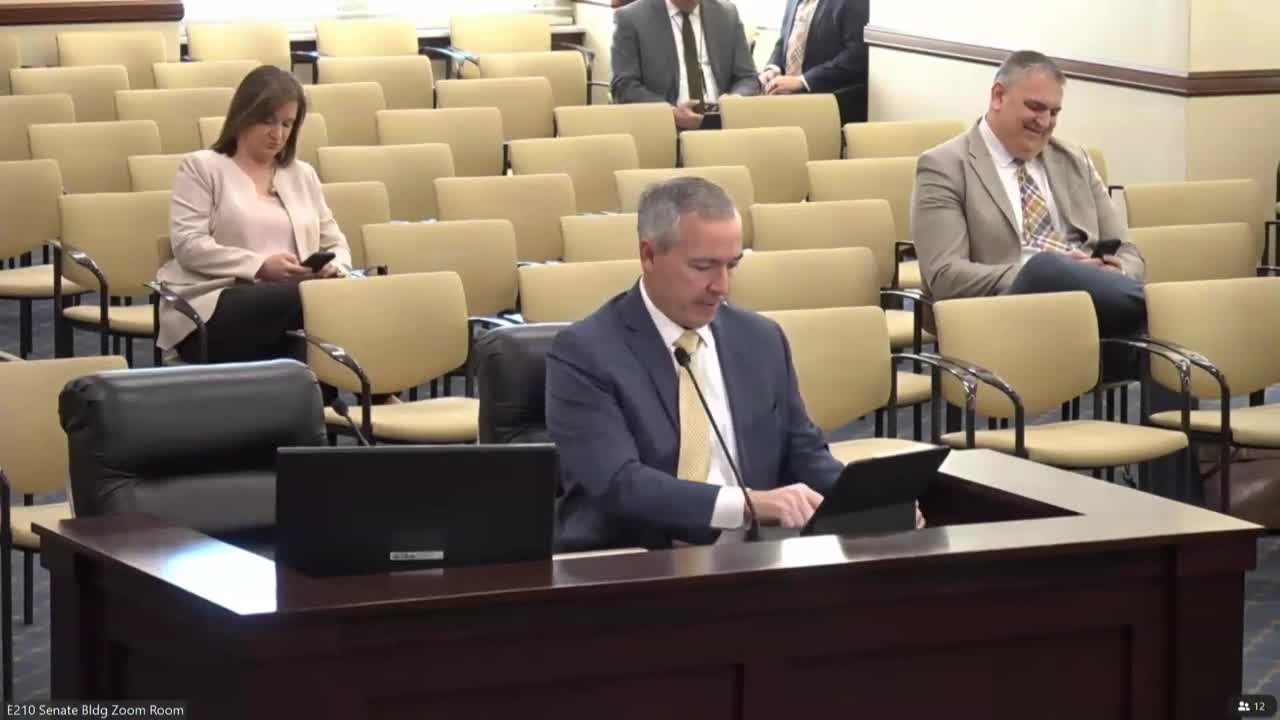
Senator Daniel McKay, sponsor of Senate Bill 298, told the committee Feb. 20 that the bill would prevent a municipality or county from adopting an ordinance that stops mowing before 5 a.m.
“The reason for that is the golfers aren't on the course yet early in the morning,” McKay said, explaining that many golf courses begin mowing early so they can finish before play begins. He added that the bill responds to complaints from private golf‑course owners who said later mowing could multiply their labor costs by four.
The bill grew out of private‑property concerns McKay said he’d seen in city council meetings. He described one packed city council hearing where around 100 nearby residents urged a noise ordinance to prevent mowing before 8 a.m.; the owner testified that shifting mowing later in the day would extend crews’ hours and raise costs substantially. Justin Lee, deputy director of the Utah League of Cities and Towns, told the committee his organization had not taken an official position but cautioned that exempting localities from noise controls as early as 5 a.m. is earlier than many municipal ordinances, which often set enforcement at 6:30 or 7 a.m.
The committee voted to recommend SB 298 favorably. The motion was made by Senator McKay and passed unanimously, 3‑0. The committee chair said the bill will next go to the Senate floor.
The bill does not identify named exceptions for municipally owned courses, but McKay noted that in practice a city‑owned course had not faced the same restrictions because ownership changes how local councils weighed competing interests.
No formal fiscal note or implementation timeline was discussed during the committee hearing.
The committee moved on after public comment closed; proponents and opponents did not remain to seek additional changes at the hearing.