Get Full Government Meeting Transcripts, Videos, & Alerts Forever!
Get email alerts on the Forensic Dna topic
No spam. Unsubscribe anytime.
Committee approves fixes to DNA processing law to clear backlog of unprocessed arrestee samples
Summary
Lawmakers adopted a third substitute to SB 140 to clarify statutory language that has prevented the Bureau of Forensic Services from processing hundreds of lawfully collected DNA samples tied to probable‑cause warrants; the substitute also clarifies procedures for removal and fee assessment when charges are downgraded or dismissed.
Senator Plumb told the committee that statutory language added in 2022 to the DNA‑processing code unintentionally prevented the Bureau of Forensic Services from processing many lawfully collected DNA samples tied to probable‑cause arrest warrants. The bureau says the problem has left more than 500 samples in a processing queue dating back to 2011.
Nut graf: Supporters said the substitute cleans up contradictory warrant language so the bureau can process DNA from arrestees booked on felony offenses and ensures people whose charges are dropped or who are not convicted can have their DNA removed and not be assessed inappropriate fees.
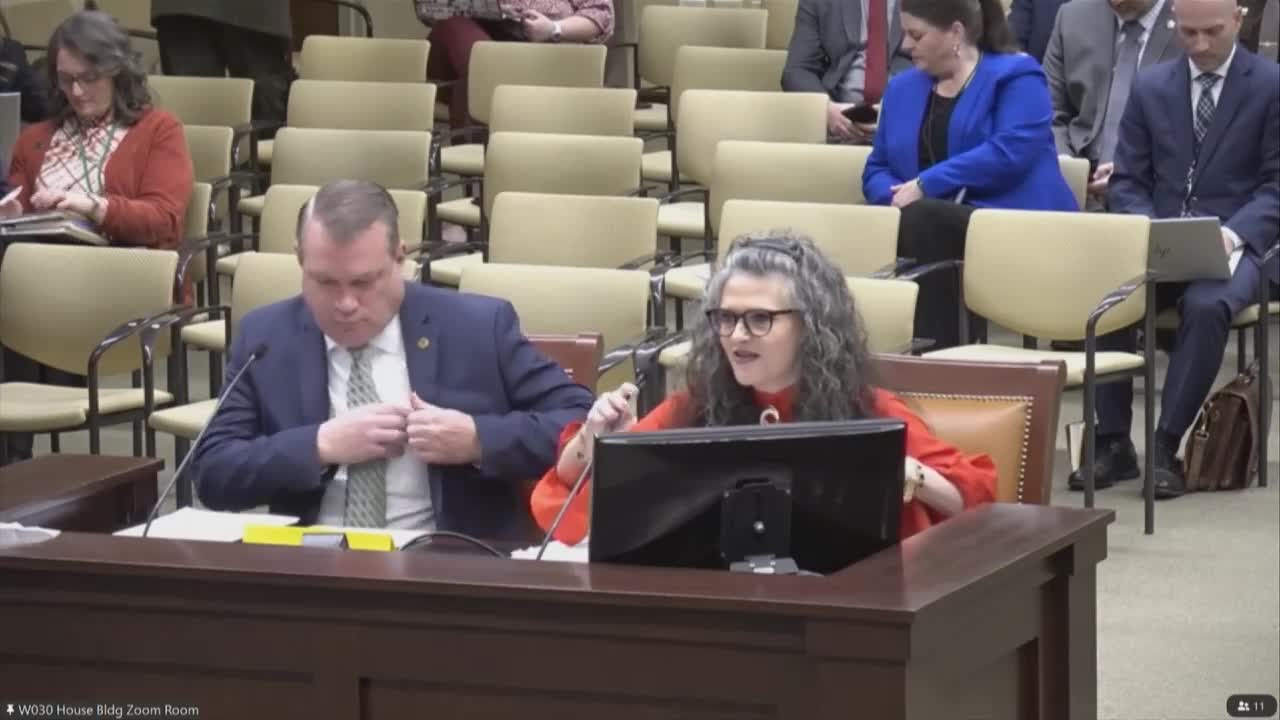
Senator Plumb and Jimmy Higgs from the Department of Public Safety explained that courts sometimes issue a probable‑cause warrant and then later annotate a case as a failure to appear without changing the warrant’s wording; the statutory wording tied processing authority to a particular warrant annotation and blocked processing in many such cases. The substitute clarifies that processing authority applies to felony arrest warrants that remain active and creates a clear path for removal of DNA when charges are dismissed or downgraded.
Arlise Jones of the Victim Services Commission testified in support, saying processing those samples is important for public safety and to protect potential future victims. Steve Burton of the Utah Defense Attorneys Association urged caution: he said the law allows DNA to be collected upon probable cause and that processing based on accusation, not conviction, raises privacy and civil‑liberty tradeoffs.
Representative Wilcox and others cited DNA’s role in both convictions and exonerations; the sponsor and supporters said the substitute includes procedural safeguards for removal and fee assessment tied to the ultimate level of offense.
The committee adopted the third substitute and passed SB 140 favorably to the floor by voice vote.
Ending: The bill advanced to the Senate/House floor with the committee’s favorable recommendation.