Get Full Government Meeting Transcripts, Videos, & Alerts Forever!
Get email alerts on the Animal Welfare topic
No spam. Unsubscribe anytime.
Committee advances bill to speed court resolution for animals in abuse cases, remove criminal penalty
Summary
A committee advanced the second substitute of HB 461, which would create a separate, expedited civil-type process for determining the welfare and disposition of animals in criminal animal abuse cases, remove a criminal penalty from the prior draft, and allow courts to order bonds or restitution to cover shelter costs.
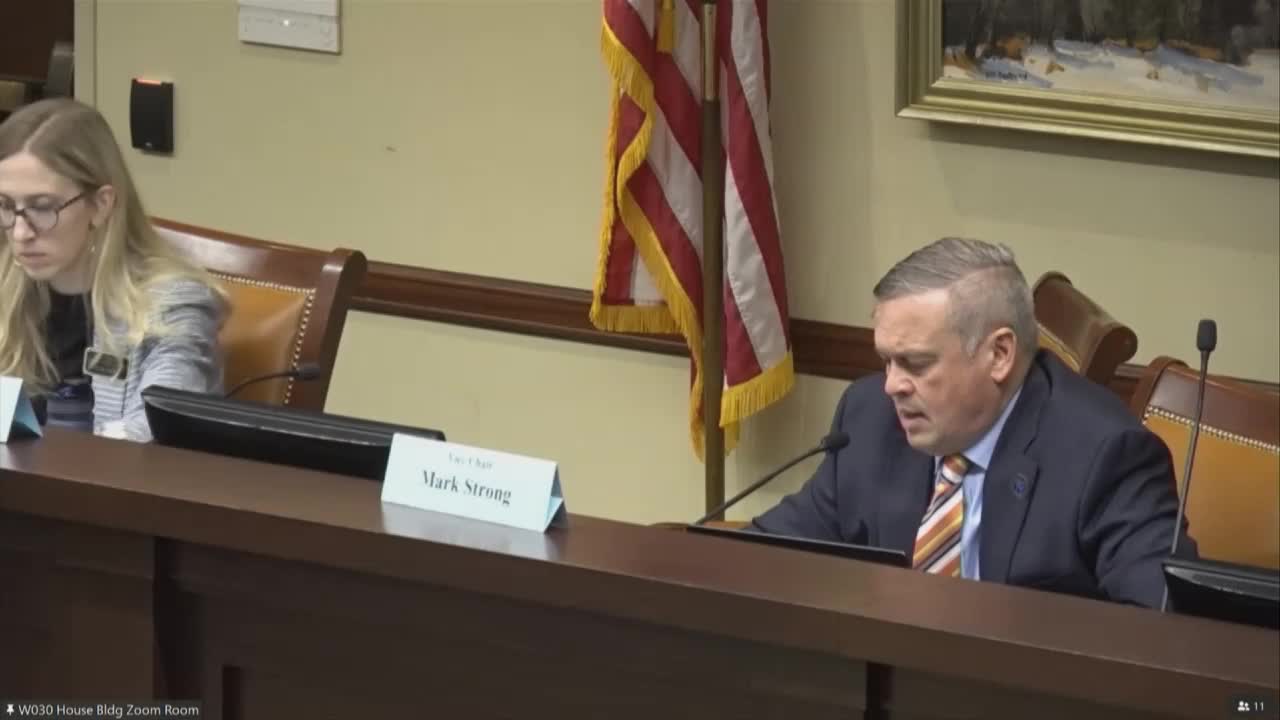
Representative Mouna, sponsor of HB 461, told the House Law Enforcement and Criminal Justice Committee the bill is intended to “protect pets, ease the burden on shelters, and save taxpayer dollars.”
The measure would create a separate, expedited court action focused on an animal's welfare when an owner is charged with animal abuse. Under the second substitute the committee adopted, the bill removes a proposed Class C misdemeanor penalty that appeared in earlier drafts, requires notice and an opportunity to be heard before any forfeiture of an animal, allows courts to order bonds to cover housing and medical costs while a case is pending, and authorizes courts to include animal care costs in restitution where a defendant is convicted.
Nut graf: Sponsors and witnesses said the bill aims to shorten the time animals spend in shelters while preserving due process for owners. Supporters argued prolonged sheltering is costly and harmful to animals; opponents were not recorded in committee testimony.
Salt Lake County Animal Services' Carl Carpenter told the committee long stays can be heavy both emotionally and financially for shelters. Carpenter described an example of a dog that arrived with a broken hip and required substantial care, and said housing plus medical costs can total many thousands of dollars for severe cases.
Brett Robinson of the Salt Lake County District Attorney's Office told the committee fees at shelters run about $20 per day and that a single animal can cost more than $7,300 a year to board and treat. Robinson also said the bill’s procedures would allow courts or shelters to prefer placement with people who had prior contact with the animal, such as neighbors or family friends, while preventing automatic return to an alleged abuser.
Committee debate focused on balancing faster placement for animals with due-process protections for owners. Representative White asked whether the bill would save taxpayer dollars; Carpenter and Robinson said extended stays often become a public charge when shelters rely on government funding.
The committee voted by voice to adopt the second substitute and then to pass the bill to the floor with a favorable recommendation. The transcript records voice votes with ayes called and no roll-call tally provided.
Ending: The committee record shows the measure advanced to the full House; further floor action and any final amendments will be part of the next legislative steps.