Get Full Government Meeting Transcripts, Videos, & Alerts Forever!
Get email alerts on the Local Government Finance topic
No spam. Unsubscribe anytime.
Senate approves PID and limited-purpose local government revisions, easing consent rules and bond procedures
Summary
Senate Bill 241 (Limited Purpose Local Government Amendments) makes technical and procedural changes to public infrastructure district (PID) financing including consent durations, voting thresholds for bonds and certification requirements for municipal advisers; the bill passed on final action.
The Utah Senate on Thursday approved Senate Bill 241, which revises statute governing limited‑purpose local governments—principally public infrastructure districts (PIDs)—to clarify which improvements may be financed, streamline bond‑consent procedures and require a certified municipal adviser for certain limited tax bonds.
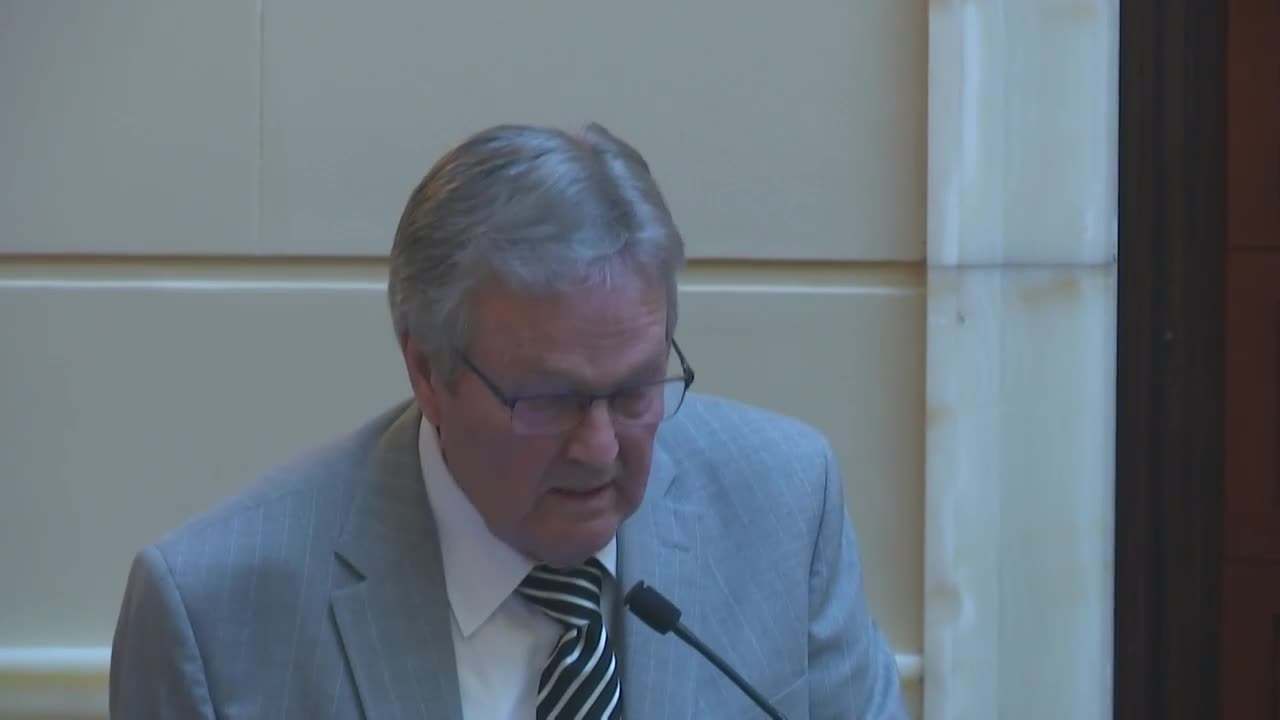
Senator Chris H. Stevenson, the bill sponsor, told senators the measure clarifies that improvements financed by a PID are consistent with typical PID practice, extends the validity of certain consents to ten years to match other bond elections, allows issuance after portions of projects are sold, and moves some consent thresholds from unanimous consent to a majority standard used in other bond voting.
"This clarifies the improvements that may be financed by a PID, it also clarifies the process for consent to bonds," Stevenson said on the floor. He also noted the bill makes explicit that a PID may impose assessments and requires a registered municipal adviser to certify certain bond terms.
The Senate recorded 24 yeas, 1 nay and 4 absences on the third‑reading roll call; the bill passed the chamber and will move forward for enrollment and transmittal.
Policy implications include clearer guidance for developers and landowners involved in PID financing and additional procedural protections aimed at ensuring financial advisers and bond issuance follow established practices.