Get Full Government Meeting Transcripts, Videos, & Alerts Forever!
Get email alerts on the Animal Shelter Policies topic
No spam. Unsubscribe anytime.
Boyd County approves new animal shelter policies, raises fees and hires shelter coordinator
Summary
At its Feb. 11 meeting the Boyd County Fiscal Court approved a new animal shelter policy manual, increased fees and hired Debbie Diamond as shelter staff. The policies set intake and holding rules, create a volunteer coordinator position and allow animals to be held up to 90 days before euthanasia may be considered if no placement is found.
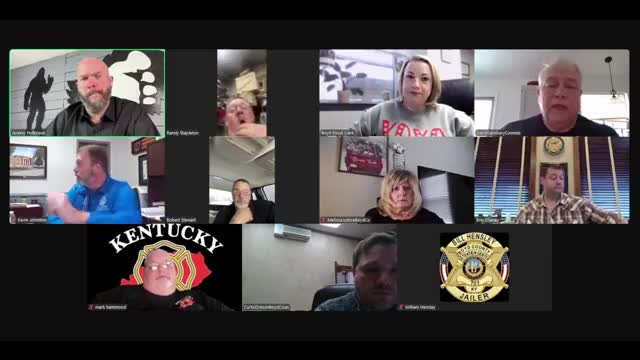
Boyd County Fiscal Court on Feb. 11 approved a new animal shelter policy manual, adopted fee increases and voted to hire Debbie Diamond as part of a package of changes county leaders said are intended to improve animal care and speed adoptions.
The court’s action followed a presentation of the new manual and a public comment from a volunteer who urged continued fostering and socialization efforts. The manual sets the shelter’s mission, public hours, intake and holding rules, volunteer conduct standards, social-media and complaint procedures, and a new volunteer coordinator position.
The new policies specify the shelter will be open to the public Tuesday–Friday from 4 p.m. to 8 p.m. and Saturday noon–4 p.m.; appointments may be scheduled outside those hours. Volunteers will be scheduled through the new volunteer coordinator to limit crowding and ensure consistent coverage. Commissioner Holbrook said cleaning and daily animal care will continue each weekday morning through a jail/community work program supervised by Bill Hensley.
The manual sets a five‑day holding period for stray animals to allow owners time to reclaim lost pets. It also states that animals “may remain in the shelter for up to 90 days,” and that after that period “animals may be euthanized if no placement options are available.” Commissioner Holbrook read passages he said were from animal‑welfare organizations and described the county’s experience after a prior change to a no‑kill designation — saying rescues moved the county’s animals lower on priority lists and intake and transfers fell.
“After becoming a no‑kill shelter, that intake dropped to 234 in 2024,” Holbrook said. “The numbers don’t lie.” He told the court the county previously handled 800–1,000 annual intakes and kept euthanasia below roughly 10 percent during that period.
The fee schedule approved by the court sets a surrender fee of $150, an adoption fee of $150, a reclaim fee of $30, a rabies voucher at $15 and a 10‑day quarantine fee of $125 for bite cases. Holbrook said those fees are intended to cover spay/neuter and vaccination costs.
Volunteers who addressed the court welcomed the changes and urged continued community support. “This fostering and volunteering is so important,” a shelter volunteer said during public comment. The volunteer said socialization, training and keeping animals out of kennels increases adoption chances and that the new rules would not discourage volunteer engagement.
Court members emphasized the manual is a working document that will be reviewed annually and can be revised. After discussion the court voted to approve the policies, adopt the fee schedule and hire Debbie Diamond as shelter personnel.
The court posted the full manual on the county website and said records are available by open records request.
Votes at the Feb. 11 meeting recorded in the transcript show Commissioner Stapleton, Commissioner Holbrook, Commissioner Salisbury and Judge Chaney voting yes on the policies, fees and hiring motions.
The court also discussed broader shelter challenges, including intake limits and the county’s prior use of a capped number of cat cages and transferred placements to balance capacity and care standards.
The manual includes incident complaint procedures, health and safety guidelines, community outreach plans and recordkeeping requirements. Commissioners said the volunteer coordinator position will be the single point of contact for scheduling and volunteer oversight.
The court encouraged public input as the manual is implemented and reiterated that the policies will be reviewed and adjusted as needed.