Get Full Government Meeting Transcripts, Videos, & Alerts Forever!
Get email alerts on the Criminal Appeals Haynes topic
No spam. Unsubscribe anytime.
Appeals court hears arguments in Haynes appeal over alleged prosecutorial misconduct, lost memory evidence and 23B remand requests
Summary
The Utah Court of Appeals reviewed claims in State v. Haynes (No. 20220420) including alleged prosecutorial bolstering, destruction or loss of discoverable witness memory, failure to object to rebuttal remarks, and whether a 23B remand is needed to resolve trial‑counsel decisions about calling a potentially exculpatory witness.
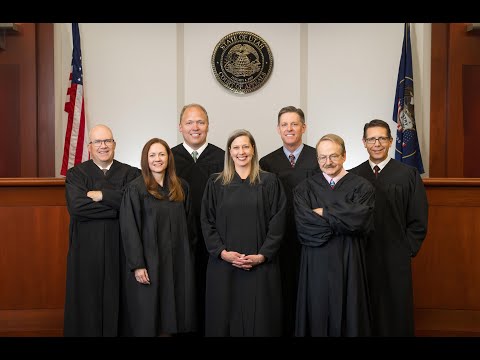
The Utah Court of Appeals heard oral argument in State v. Haynes (No. 20220420) on Wednesday, as the three judges considered challenges to the conviction that include alleged prosecutorial bolstering of witness credibility, destruction or loss of discoverable witness memory, and whether a remand under rule 23B is required to examine trial‑counsel decisions.
Andrea Garland, counsel for Jimmy Haines, told the panel the trial featured multiple instances of improper bolstering — including testimony from family members that they believed the complainant — and that rebuttal argument by the prosecutor misstated the law and denigrated evidence the defense relied on. Garland said the case depended on witness credibility and that those errors were prejudicial. She also argued the prosecution’s long delay between initial knowledge of allegations and bringing charges contributed to witness memory loss that she characterized as discoverable information the state should have preserved or disclosed.
Michael Gadd, for the State of Utah, urged the court to evaluate the strength of uncontested evidence: testimony that the victim Erica disclosed the assault to friends and family, eyewitness and corroborating conduct described at trial, and that the defendant did not contest the jury’s factual findings. Gadd said the record contained significant evidence supporting the convictions and argued remand solely to probe undisclosed trial counsel reasoning would amount to an unwarranted fishing expedition.
A central procedural dispute concerned a written affidavit from a third person (summarized in briefing) describing a potential defense witness identified as “Jessica” who, the affidavit said, would have related prior inconsistent statements and other information that might have undermined the complainant’s credibility. Garland argued the affidavit and other declarations were non‑speculative and warranted a 23B remand so a trial court could evaluate whether trial counsel’s choice not to call that witness was reasonable. The state replied that the record showed trial counsel had taken steps to exclude prejudicial gang‑related evidence and that calling the witness could have opened the door to damaging evidence about associations with the Vagos motorcycle group and other impeachment risk.
The judges explored whether the alleged loss of witness memory amounted to evidence “in the possession of the state” as contemplated by case law the parties cited. The panel questioned how far that doctrine should extend when the information at issue is human memory rather than a tangible file or exhibit; the defense urged the court to treat witness knowledge retained by state investigative personnel as discoverable information whose loss can be attributable to prosecutorial delay.
The panel also asked about the trial record’s content and what, if anything, the appellate court could safely assume about trial‑counsel strategy without a remand. Both sides pointed to circuit precedent and to this court’s cases addressing bolstering, prosecutorial misconduct, and remand standards. After rebuttal and questioning, the court said it would take the arguments under advisement and issue an opinion in due course.
Ending: The court took the matter under advisement and stated it would issue a written decision when available.