Get Full Government Meeting Transcripts, Videos, & Alerts Forever!
Get email alerts on the Insurance Declaratory Judgment Intervention topic
No spam. Unsubscribe anytime.
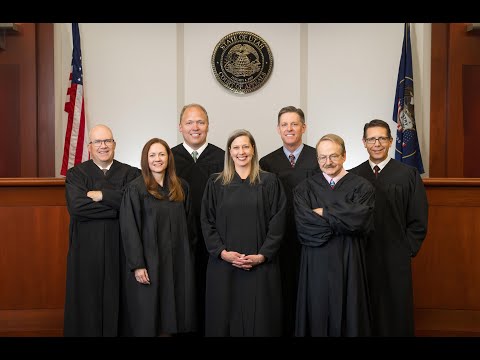
Appeals court hears dispute over insurer’s Utah declaratory judgment and third‑party intervention in Prime v. Dyer
Summary
The Court of Appeals reviewed whether a wrongful‑death claimant may intervene in an insurer’s Utah declaratory judgment action over policy coverage and whether the district court properly denied intervention and a Rule 60(b) challenge to the judgment; counsel debated ripeness, statutory and rule‑based party rights, and federal MCS‑90 obligations.
The Utah Court of Appeals heard oral argument in Prime Insurance Co. v. Dyer over whether Michelle Dyer, a wrongful‑death claimant, should have been allowed to intervene in Prime’s Utah declaratory‑judgment action about coverage for a vehicle crash and whether a subsequent Rule 60(b) motion to set aside the declaratory judgment could be considered.
Cassandra Dunn, appearing for Michelle Dyer, told the panel that “we are here today because miss Dyer's personal pecuniary interest in the collection of her full verdict for the wrongful death of her daughter, Ashley Fulham, has been substantially and irreparably harmed by Prime's improper use of Utah's declaratory judgment act,” arguing that the declaratory judgment now limits available recovery and that Dyer’s ability to collect a full verdict could be impaired. Prime’s counsel, Axel Trumbo, said Prime sought clarification of its contractual obligations and that the district court correctly denied the untimely attempt by a nonparty to set aside the judgment absent party status.
Why this matters: the appeal addresses whether third‑party tort claimants may intervene in insurer‑initiated declaratory judgments that apply facts and law to the claimant and whether premature declaratory judgments can be used to limit a claimant’s recovery or to preclude bad‑faith or garnishment remedies in other jurisdictions. The dispute also included federal‑regulatory context: counsel debated whether a passenger exclusion argued by Prime conflicts with federal rules applicable to motor‑carrier insurance (discussed in argument as the MCS‑90/bond issue) and whether Utah law or federal standards control.
Dunn argued the declaratory judgment and Prime’s litigation posture create an artificial cap (Prime advanced a $750,000 limit vs. a $1,000,000 policy) and may prejudice Dyer’s garnishment and bad‑faith remedies. Prime’s counsel said the judgment clarified coverage as to the insurer and the insureds and that Ms. Dyer lacked a legally protectable, ripe interest at the time she moved to intervene because she had not obtained an executable judgment. Trumbo emphasized the procedural posture: she could appeal the denial of intervention but the district court was correct to decline to hear a Rule 60(b) motion before the movant became a party. The panel questioned counsel about timing, the scope of URCP 24(a) intervention rights, whether federal MCS‑90 obligations should be analyzed here, and whether a later garnishment or bad‑faith assignment would remain available to Dyer if she obtained a money judgment.
The Court took the matter under advisement. The appeals court will decide whether the district court abused its discretion in denying intervention and whether the Rule 60(b) collateral challenge was properly rejected as premature.