Get Full Government Meeting Transcripts, Videos, & Alerts Forever!
Get email alerts on the Environmental Impact topic
No spam. Unsubscribe anytime.
Residents raise environmental, water and noise concerns about proposed data center in public comments
Summary
Several residents spoke during Coweta's Jan. 9 public comment period to raise concerns about a proposed large data center (referred to as Project Sale), citing stormwater and floodplain impacts, wetland loss, water consumption, noise, long-term obsolescence and uncertainty about projected economic benefits.
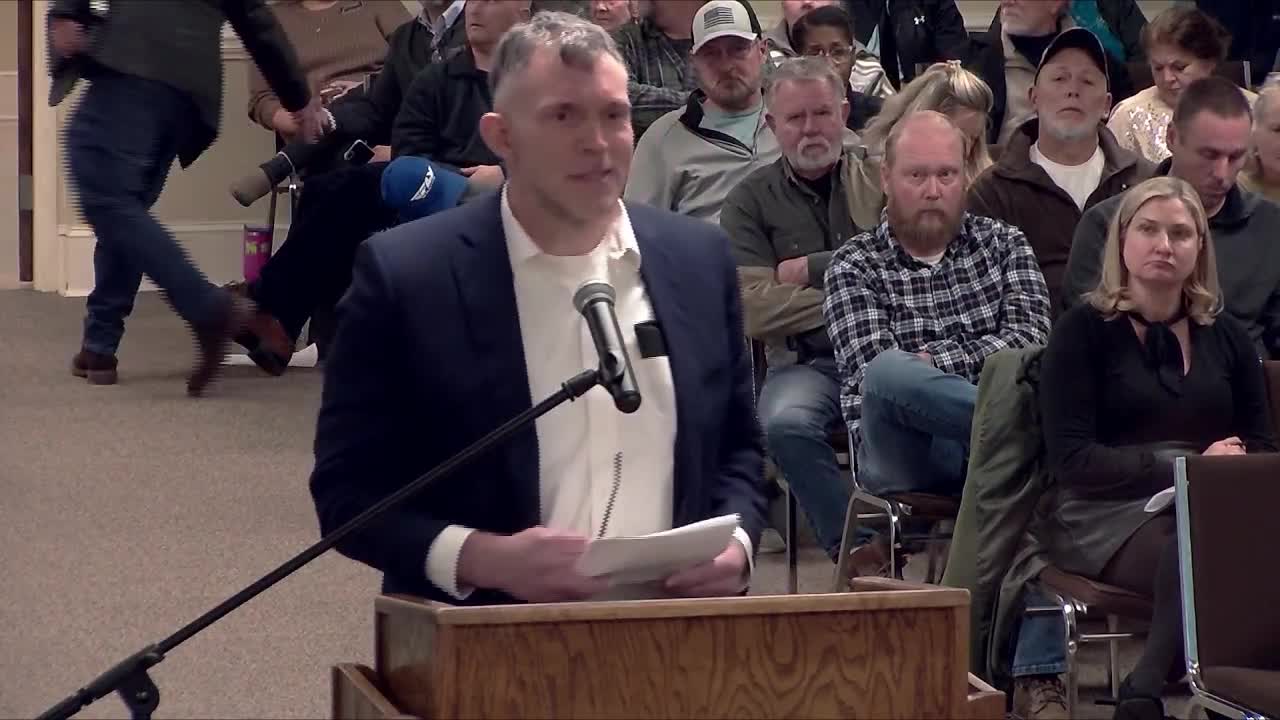
At the Coweta County Board of Commissioners meeting Jan. 9, multiple residents used the public comment period to express concerns about a proposed large data center project referenced by speakers as 'Project Sale.'
Neil Wolf, an environmental consultant and Newnan resident, told commissioners that data centers present long-term environmental, social and economic uncertainties. Wolf said the site's stormwater and regional cumulative impacts are not fully addressed and noted the proposed site abuts FEMA Flood Zone A. He raised concerns about wetlands loss and harms to local biodiversity, and warned that many jurisdictions later regret approving large, resource-intensive projects.
Robert Litton, a resident on Waitress Mill Road, said the project would conflict with the county's rural places character area and the low-density, open-space qualities residents moved to preserve. He asked the board to consider alternatives and urged officials to protect rural character.
Nick Sabadosh questioned the project's assumptions about revenue and employment, asked how the project would mitigate noise pollution and wildlife impacts, and raised numeric concerns he said he had seen in project materials: more than 9 million gallons per day of water use and over 3 million gallons per day of discharge. Sabadosh also asked who would pay for cumulative stormwater impacts.
Tate Carroll, a cyber warfare veteran who has worked on data centers for the U.S. government and abroad, cautioned that projected revenue figures may be overstated and that data centers often employ far fewer full-time staff after construction than they do during the build phase. He also warned that rapid technological change (edge computing, quantum) can shorten the useful life of large sites.
Speakers asked county leaders to proceed cautiously, request more detailed environmental and community impact analyses, and consider the permanence and risks of locating a large, water- and power-intensive facility adjacent to sensitive areas. The comments did not trigger any vote or official action at the Jan. 9 meeting.