Get Full Government Meeting Transcripts, Videos, & Alerts Forever!
Get email alerts on the Post Conviction Recantation topic
No spam. Unsubscribe anytime.
Court Hears Argument Over Post‑Conviction Recantation; Counsel Dispute Need for Evidentiary Hearing
Summary
The Court considered whether a jailhouse witness recantation (Brandon Wright) constitutes newly discovered evidence requiring an evidentiary hearing or new trial for the appellant, who says the recantation undercuts the only direct testimony linking him to the shooting.
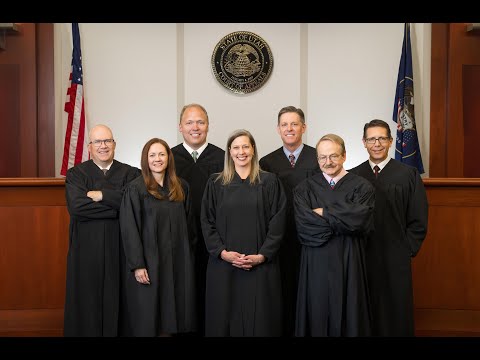
The Utah Court of Appeals heard argument in a post‑conviction matter about whether a jailhouse witness’s post‑trial recantation requires a remand for an evidentiary hearing or a new trial.
Mark Gaylord, counsel for the appellant identified in the record as Danny Logan, told the panel that Brandon Wright later told courts he had lied at trial and that the recantation was newly discovered, material evidence that could have changed the outcome. Gaylord described Wright’s written statement to the court: “I lied. I absolutely lied under oath and my testimony was not true,” and argued the trial court erred by deciding the recantation was not a basis for relief without an evidentiary hearing examining credibility and the recantation’s impact on the rest of the record.
Gaylord said Wright’s testimony was the lynchpin linking several other items of evidence — testimony about disposal of a gun, a receipt used to identify ammunition, and statements by coconspirators — and that removing Wright’s testimony left gaps the jury may not reasonably have filled. He urged the panel that the trial court did not undertake the detailed fact‑by‑fact analysis required by cases such as Ashby v. State and therefore summary dismissal was premature.
Mark Field, representing the State of Utah, argued the trial court properly applied the newly discovered‑evidence standard from the Post‑Conviction Remedies Act and related Utah precedents. Field emphasized the appellate standard requires viewing the recantation in the context of all other evidence and cited Pinder v. State and Mulder v. State as guiding precedent. He said the trial court reasonably concluded even assuming the recantation were true, a reasonable juror could still have found guilt on the remaining record.
The lawyers debated two core issues: whether the recantation qualified as newly discovered evidence that is not merely impeachment or cumulative, and whether the court should have held an evidentiary hearing on Wright’s credibility before making the legal determination. Gaylord said the court needed to consider how the record would look without Wright and that there is little Utah precedent where a recantation deemed credible did not lead to a new trial. Field responded that the statute requires viewing the recantation along with the rest of the trial evidence and that the district court had properly done so.
The panel asked questions about standards for post‑conviction relief, whether factual assertions (for example, that a codefendant would not have testified but for Wright) were in the record, and whether counsel preserved certain arguments below. Gaylord acknowledged some factual assertions were raised at argument and in pleadings, but said the lower court had not made the detailed findings necessary to evaluate the recantation’s impact.
The court thanked counsel and took the matter under advisement. The outcome will determine whether the appellant receives an evidentiary hearing or further post‑conviction relief.