Get Full Government Meeting Transcripts, Videos, & Alerts Forever!
Get email alerts on the Board Of Tax Appeals Hb126 Impact topic
No spam. Unsubscribe anytime.
Tax appeals board cites fallout from HB 126, requests two attorneys to handle complex docket
Summary
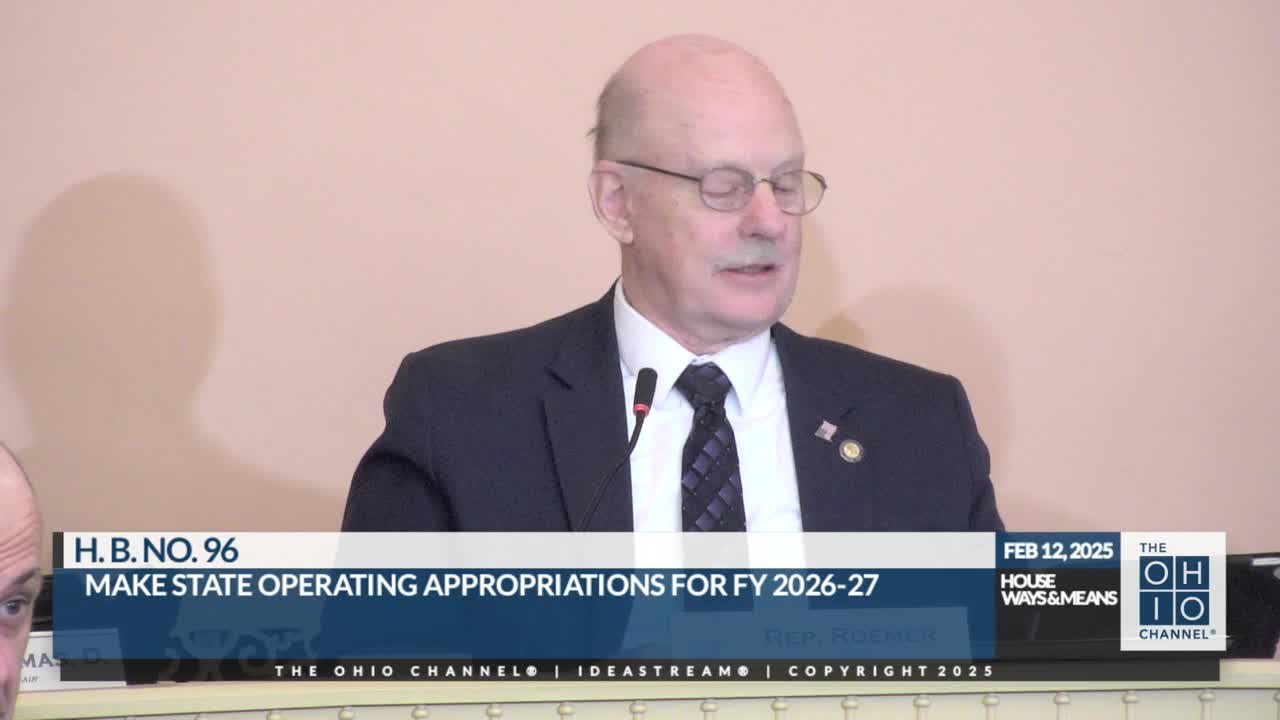
The Board of Tax Appeals told the Ways and Means Committee that changes in House Bill 126 have reduced settlement rates and increased case complexity, prompting a request to fund two attorney positions in the executive budget to handle a more litigious docket.
The Board of Tax Appeals (BTA) told the Ohio House Ways and Means Committee that House Bill 126, enacted in 2024, sharply reduced settlement opportunities in real-property valuation disputes and shifted the board’s docket toward more complex, litigious cases.
Executive Director Kathleen Crowley described the BTA as Ohio’s administrative tax court and said the board’s written decisions are binding on the tax commissioner and local taxing authorities. She noted the board handles appeals across more than 60 tax types and that most appeals arise from county boards of revision on real property valuation and tax liability.
Crowley said changes under HB 126 — including restrictions on third-party participation and settlement agreements with boards of education — have reduced the BTA’s settlement rate from about 70–80% to roughly 20–30%. That shift, she said, has dramatically increased prehearing motions, discovery disputes and expert testimony and has lengthened case processing times. The board reported a 37% reduction in filings from 2023 to 2024 but said the remaining docket is more litigious and resource intensive.
To respond, the BTA requested funding at the executive budget level to backfill two vacant attorney positions with staff experienced in tax litigation. Crowley said those hires and the requested funding would allow the board to maintain its online filing system, manage operations and write the decisions necessary in the more complex cases.
Committee members asked whether two attorneys would be sufficient; Crowley said the request was calibrated to projected workload for the next two years but acknowledged she might return for further support if complexity continues to grow. She also said the BTA has conducted most hearings in person (Monday–Wednesday) and is prepared to maintain in-office operations consistent with state guidance.
The board asked for continued funding at the levels in the executive budget and for committee consideration of the resource implications of the post-HB 126 docket.