Lifetime Citizen Portal Access — AI Briefings, Alerts & Unlimited Follows
Ross Rambotics students show ocean‑exploration prototype; board later approves overnight field trips
Loading...
Summary
Middle‑school Rambotics team presented an innovation project to the board about goggles that let people wear prescription glasses underwater. Board members later approved overnight field trips, including the Rambotics trip, as part of a block vote.
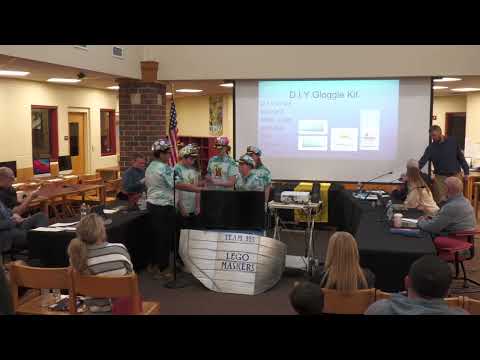
At a Ross Local School Board meeting, members of the district’s Rambotics team demonstrated an innovation project aimed at helping people who wear prescription glasses see while diving and snorkeling. The student presenters described prototype designs, testing plans and community partnerships and later the board approved a block of overnight field trips that included the Rambotics team's trip.
The team—made up of students who identified themselves as Wyatt, Henry, Lizzie, Riley, Clara and Callan—said their innovation project began with expert interviews and field visits. Wyatt said he is on the team’s coding effort: “This is my third year doing Rambotics, and my favorite thing is to code.” The students described meetings with marine scientists and aquarium staff and said they tested early prototypes with local dive instructors. One student said Scentsy Scuba in Hamilton, Ohio, had offered to test a prototype with a swim team.
The students described the product as a kit that lets people slide their glasses into a seal inside swim goggles rather than removing the glasses or relying on contacts. They presented rough cost figures for the kit—saying the kit of seals, glue and instructions could cost about $32—and compared that to a figure they cited for prescription diving goggles (about $440) and a typical consumer goggle price (about $35). The students also noted a broad potential audience, citing an estimate in their presentation that “over 60% of the global population” needs corrective lenses and saying that could translate to “nearly 5,000,000,000 people.” The team described next steps as building a refined prototype, running tests and adding a small light kit for underwater visibility.
Superintendent Dr. Rice introduced the student presentation; board members and several coaches and parents attended and asked questions about design choices, testing plans and the team’s upcoming competitions. Board members praised the students’ work and wished them luck at the next competition in Troy, Ohio.
Later in the meeting, the board approved, by roll call, a package of items labeled in the agenda as B through G that included the Rambotics overnight field trip, along with other spring‑break and overnight trip waivers for athletics. That approval followed standard procedure in which several consent‑type items were bundled into a single vote.