Citizen Portal

Mesa council pulls proposed 68‑unit RM4 infill project from consent amid density and design concerns

2377059 · February 20, 2025

Get AI-powered insights, summaries, and transcripts

Subscribe
AI-Generated Content: All content on this page was generated by AI to highlight key points from the meeting. For complete details and context, we recommend watching the full video. so we can fix them.

Summary

Councilmembers used the study session to probe a proposed RM4 multifamily infill project that would place 68 townhome‑style rental units on a site near Main Street, and asked staff and the applicant for additional work on density and design.

Councilmembers used the study session to probe a proposed RM4 multifamily infill project that would place 68 townhome‑style rental units on a site near Main Street.

Planning staff explained the applicant had pursued RM4 zoning; staff said the RM4 district allows up to 30 dwelling units per acre and that the project as proposed is "just over 22" dwelling units per acre. Evan and Mary said the project went to the Design Review Board and received multiple comments on building design, particularly garage‑facing elevations, and that the applicant has increased landscape buffering on the north side to better protect adjacent homes.

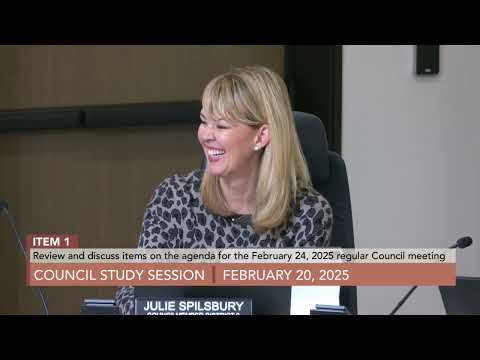
Councilmembers expressed repeated concern that the project's density and current architectural proposals do not integrate well with an older, mature neighborhood to the north. "I think it's a square peg in a round hole, frankly, as it presently exists," Councilmember Adams said. Councilmember Spilsbury and Mayor Freeman both urged more work on density, design and parking impacts. Planning staff noted the site plan provides 157 parking spaces, above the RM4 requirement of 2.1 spaces per unit (the requirement equates to 143 spaces for this project), and that garages are two‑car garages.

Councilmember Pillsbury and others questioned community outreach and whether neighbors had opportunity to organize; staff said the applicant held a neighborhood meeting and residents attended design review and planning and zoning meetings, with resident concerns centering more on unit count, density, traffic and interior landscaping than architectural style.

Because several councilmembers voiced concerns and Councilmember Duff (the councilmember for that district) was not present, council agreed to take the item off consent for the regular meeting, giving council the option to provide direction to the applicant and staff or to continue the introduction for additional review.

Why it matters: the case concerns infill density, neighborhood character and design standards and could set a precedent for how the city balances transit‑oriented density with established neighborhood form.