Get Full Government Meeting Transcripts, Videos, & Alerts Forever!
Get email alerts on the Public Records Transparency topic
No spam. Unsubscribe anytime.
Charter review committee debates draft transparency language, FOIA costs and a coordinator role
Summary
Committee members reviewed a draft Chapter 8 transparency proposal that would expand online public access to records, spell out a FOIA coordinator role, and set principles about free public access while reserving charges for burdensome or commercial requests.
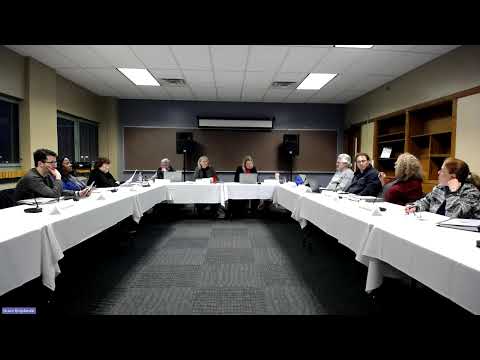
The Charter Review Committee spent an extended portion of its Feb. 1 meeting discussing a draft transparency chapter (Chapter 8) that would identify which city records should be freely available online and how the FOIA process should operate for records not posted publicly.
Draft language under consideration would establish a transparency coordinator role (currently handled by the clerk’s office), encourage the city to make commonly requested public records available electronically and at local repositories, and state a presumption of free access for routine public documents while allowing reasonable fees for burdensome or commercial requests.
Committee members voiced two main concerns: (1) that a broad presumption of “no charge” for materials could impose significant staff time and expense if requesters seek large electronic searches or hard-copy reproductions, and (2) that staff should not be used to perform private research for commercial requesters. Several members proposed a two-tier approach: publish as many documents as possible proactively; for other requests, use FOIA procedures with clear criteria for when charges may apply. The clerk and staff explained the existing FOIA process: a 5-day statutory response window (with a possible 10-day extension), department searches, attorney review for exempt material, and deposit/fee estimates when searches are extensive.
Why it matters: Chapter 8 language would guide how the public accesses city records, how staff respond to requests and how the city balances transparency with operational capacity. The proposal aims to reduce FOIA burdens by proactively publishing commonly requested documents while maintaining exemptions and fee rules for atypical or broad research requests.
Next steps: Committee members asked staff to tighten the draft language, distinguishing clearly between freely available public documents and those requiring a FOIA request and to propose specific limits or fee criteria for requests that are repetitive, broad or commercial in nature.