Get Full Government Meeting Transcripts, Videos, & Alerts Forever!
Get email alerts on the Homelessness Outreach topic
No spam. Unsubscribe anytime.
City budget includes $1.9M request to sustain Home for Every Neighbor; council seeks outcome data and county coordination
Summary
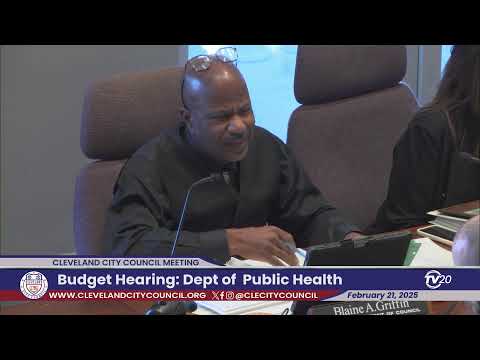
Council and public‑health staff discussed a proposed $1.9 million line in the Division of Environment/Health budget to continue the Home for Every Neighbor outreach‑to‑housing program. Council members asked for program outcome data, unit counts and the mix of rental subsidy and case‑management costs, and pressed for county collaboration.
Council and Department of Public Health staff discussed a proposed $1,900,000 allocation in the Division of Environment budget to continue Home for Every Neighbor, the city’s outreach‑to‑housing initiative targeted at people living unsheltered.
Public Health staff described the program as a direct‑outreach model that supplements county‑funded shelter and permanent supportive housing efforts. Staff said the initial phase — funded in 2024 from supplemental city resources — housed roughly 140 people (the administration also used other fund sources in combination), and that the $1.9 million request would fund subsidies, case management, unit acquisition and flexible support services for an estimated 80–100 new participants for 12 months each.
Staff said prior program expenditures included rental subsidies, intensive case management and operational supports. "With those funds alone we'd be looking at 80 to 100 participants," a public‑health official said; staff emphasized final allocations and contracts would be presented for council legislation before any funds are expended. Council members pressed for a detailed breakdown: how many people the funding will house, how much of the allocation pays direct rent subsidies versus case management, outcomes for the cohort housed in 2024 and any plan for coordinated funding with Cuyahoga County.
Several council members asked about the county’s role; health staff said the county funds a broader suite of homeless services (shelter, some permanent supportive housing and other programs) but that the outreach‑to‑housing approach adopted by the city was a gap the county had not been funding at the same scale. Committee members asked staff to request the county’s funding and capital commitments and to convene a meeting with county officials and Council to clarify responsibilities and co‑funding opportunities.
Members also asked for an early program evaluation including: number housed from street/outdoor settings; how many participants required additional housing after the initial 12‑month subsidy; whether participants moved to stable income or benefits; and a breakdown of program administration costs. Staff agreed to provide a written summary and to follow up with a more detailed legislative proposal that will include proposed implementing agencies and contract terms.
Ending: Council requested the public‑health team circulate the Home for Every Neighbor outcomes and unit‑acquisition details, plus a proposed ordinance or spending plan prior to any 2025 expenditures.