
District principals, discipline committee point to early‑year supports, restorative practices as suspensions fall but kindergarten suspensions remain a concern
Get AI-powered insights, summaries, and transcripts
Subscribe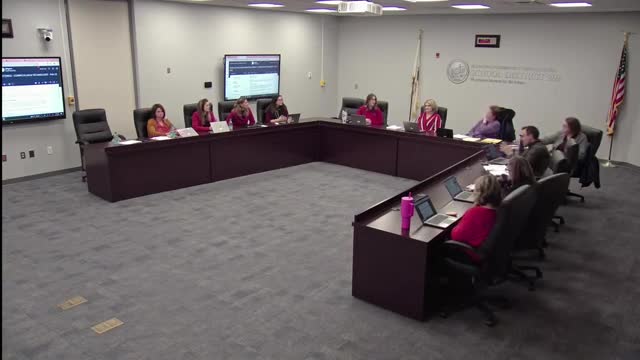
Summary
Elementary principals and the district discipline committee told board members on Feb. 19 they have seen declines in formal referrals after reinforcing restorative practices and targeted interventions, but reported kindergarten suspensions remain concentrated among a small group of students and need continued attention.
District 202 elementary principals and the discipline committee presented midyear discipline data at a Feb. 19 Curriculum/Correctional & Technology committee meeting and described steps to reduce classroom disruptions while responding to an ongoing spike in very young students’ suspensions.
Committee members and several elementary principals said they have focused on behavioral interventions, restorative practices, and targeted academic supports. The committee reported an overall reduction in formal referrals across middle and high schools: middle school referrals fell from about 11% of students to 8.5% and high school referrals from 12% to 5.7% compared with the prior year. Discipline committee members said referrals for Black or African American students have decreased as a share of total referrals, but they raised continuing concern about suspension rates for kindergarten students.
Mina Griffith, who introduced the discipline presentation, said kindergarten suspensions were a major committee concern and that data review showed 49 kindergarten suspension incidents involved 21 students; 11 of those students had only 1 suspension and did not repeat the behavior. Griffith said several other kindergarten suspensions reflected students who were new to the district or required an immediate change of placement despite multiple in‑school interventions.
Principals described a layered approach: early interventions in classrooms, daily check‑ins with social workers, functional behavior assessments where indicated, restorative conversations and small‑group alternatives for unstructured times such as lunch and recess. Westmere principal (name provided in the meeting) said the building holds a required meeting after every suspension that includes family members, staff and social workers to map supports and next steps. A principal noted that in many cases the district uses “alternative recess” or smaller‑group lunch settings as a support rather than removing students from school indefinitely.
Principals also described instructional changes to reduce behavior problems by strengthening Tier‑1 instruction: some schools use IXL technology aligned to diagnostic measures for targeted enrichment, arrange grade‑level teams to address skill gaps, and use learning specialists (many of them part time at the elementary level) to run interventions or enrichment groups. Several principals said learning specialists have been effective but that several buildings would benefit from more full‑time specialist coverage.
Attendance and logistics also emerged as topics. Creekside principal Tyler Haman said being a fully bused school complicates attendance: if a student misses the bus and there is no alternate transport, families may keep the student home for the day, and appointments or cold weather can further reduce attendance. Leadership said buildings are trying family engagement strategies and targeted outreach to improve attendance.
Food service quality and student nutrition briefly drew discussion, with several principals rating lunch quality in the mid‑range and breakfasts lower, and noting state regulations constrain vendors’ menu choices. The committee did not propose immediate changes but noted the issue for further review.
To address kindergarten transitions, the district presented a proposal to stagger kindergarten attendance during the first week of school (small cohorts attend on different days) so teachers can teach routines and establish classroom expectations with smaller groups. Principal Casey Hartman described the plan as a short, deliberate step to help students acclimate and said buildings would communicate the plan to families before the school year starts. The committee asked administrators to pilot the approach and measure outcomes over multiple years.
Ending: Committee members said they want to continue the district’s restorative‑practice emphasis, expand or better sustain learning‑specialist capacity and monitor kindergarten suspension trends. They asked administrators to continue refining interventions and to provide updated discipline and attendance data at future committee meetings.